Category Archives: Teacher Resources

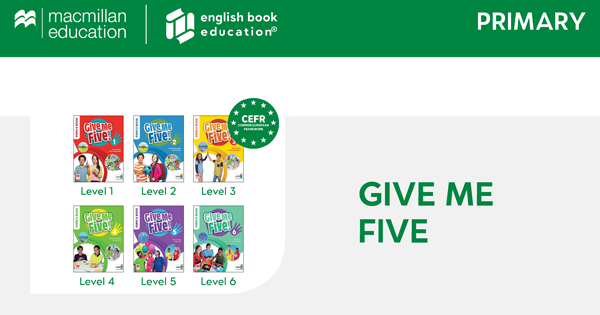
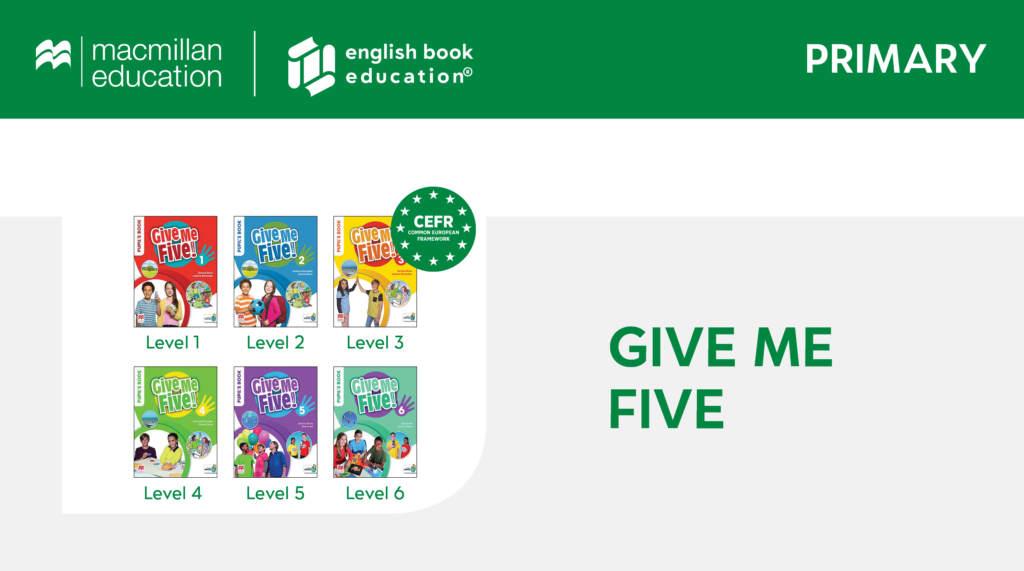
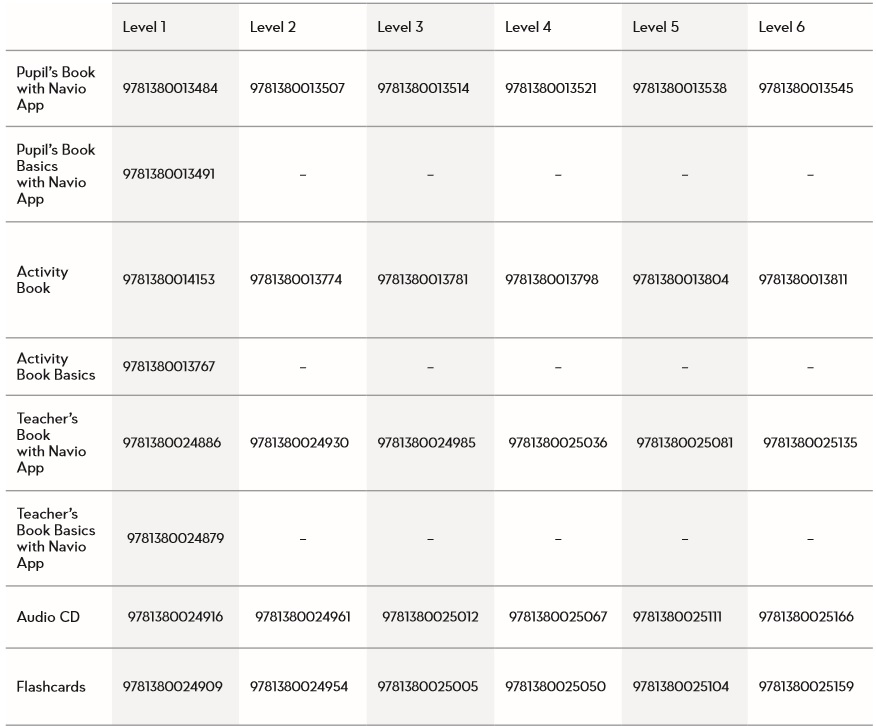
Give Me Five!

COLLABORATE. COMMUNICATE. CELEBRATE SUCCESS.

Give Me Five! is an engaging 6-level primary course with a strong focus on collaboration and 21st century skills. The dynamic and fun content keeps students motivated to reach learning goals and achieve success in external exams.
Authors

Donna Shaw

Associate Professor- Department of Journalism and Professional WritingDonna Shaw – After completing her degree in 1988, Donna spent two years teaching English as a second language in Australia. On her return to Europe, she completed the RSA Dip TEFLA at International House, Madrid, before working for International House in San Sebastian, Spain and Coimbra, Portugal. Since 1995, she has been based in Palma de Mallorca, where she enjoys teaching primary children in the state system with The British Council. Donna holds an M.Ed from Manchester University and is a regular speaker at teacher training events around Spain. She has also collaborated with numerous Centros de Educacion de Profesores, and has taught several short courses at the Universitat de les Illes Balears. Donna is the co-author of Macmillan’s primary course for Spain Find Out! and is the co-author of Macmillan’s higher level primary course Footprints to English

Joanne Ramsden

Joanne Ramsden studied music at the University of Newcastle upon Tyne, graduating in 1988. Tired of studying, she went off to travel the wold. Joanne spent 12 months travelling around Australia and New Zealand playing her flute to get by. Upon returning home she decided that becoming an English teacher would allow her to continue her travels. After a four-week TEFL course at International House Broadstairs, Kent, she set off for Spain to start the rest of her travels. Things don’t always go to plan, as Joanne met her husband within months 13 years and two children later, she still haven’t got any further than Spain in her round-the-world trip. Fortunately, Joanne found she particularly enjoyed teaching English and after starting with adults, moving on to teenagers, then primary aged children, she discovered that the most rewarding area for her was infants.
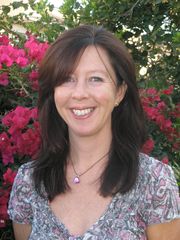

ROB SVED

Content developer of educational materials, with particular expertise in English Language Teaching in Primary and Secondary schools worldwide.


Webinar

Online Seminars In May

We are delighted to announce that Macmillan Education is planning a series of the following online seminars in May

1)Feedback that Empowers by Kateryna Protsenko

Date: 6 May, 13:00 & 19:00 Tbilisi Time

Agenda: 

For many students, feedback is the most valuable part of learning and is often one of the reasons why they choose one-to-one classes over group classes. When participating in surveys on customer satisfaction, students often say that they would like to have more feedback from their teachers. It’s clear that feedback is a lot more than simple error correction and praise for some good language – but what else does it include? 

In this seminar we will look at what feedback is, what aspects of learning we can and should give feedback on and how to do that. There are lots of things to take into account when giving feedback, including task setting, students’ effort, level of challenge etc. – we will also look at those things which we should be keeping in mind when giving feedback. Finally, in the light of the current situation with COVID-19 and the fact that learning has moved online and we will inevitable have to teach some of our classes online from now on, we will examine how feedback online differs from feedback given face-to-face. 
Registration: www.bit.ly/2xvqcNJ

2)Online lessons that are active and interactive by Laura Patsko

Date: 12 May, 13:00 & 19:00 Tbilisi Time

Agenda:

These days, more and more teachers and learners are finding ourselves spending the majority of our days online – planning lessons, doing self-study or attending live synchronous classes. We can look on the bright side and say, “Well, if we have to be locked down at home, at least we have the technology nowadays to keep us connected.” But there’s no denying that, for many people, sitting and staring at a computer screen for long periods every day is not very motivating or healthy (either mentally or physically). So how can we boost levels of energy and engagement in our live classes? This seminar will demo a few tips and tricks, and invite teachers who have recently moved their classes online to share their own insights.
Registration: https://bit.ly/3ditjrt

3) Moving you school online by Chris Farrell

Date: 13 May, 13:00 & 19:00 Tbilisi Time

Agenda:

This session will look at the practicalities of moving your whole school apparatus into an online context. The content of this webinar forms the basis for an upcoming online course from NILE with the same title. The premise is that, in the current climate, many of us have been forced to move online quickly, and this course will offer guidance on how to do it properly. The course is rooted in accreditation criteria from Eaquals and the Aqueduto QA Framework and will look at the key areas which make a school successful and the considerations in transferring these areas into an online context. This session will cover considerations in the areas of Teaching and Learning, Quality Assurance, Safeguarding, and Assessment and offer some practical tips in each area.

Registration: https://bit.ly/2SwNyKa

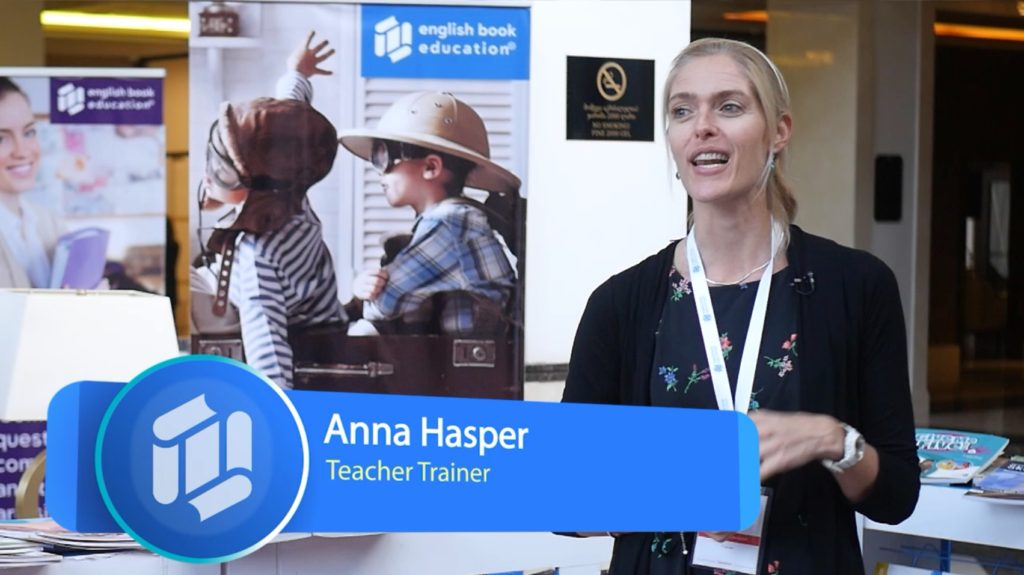
4)Engaging teens? It’s not all about technology… by Anna Hasper

Date: 19 May, 13:00 & 19:00 Tbilisi Time

Agenda:

Most teens are more digitally literate then we will ever be, so don’t get hung up on overloading your teens with the lastest cutting-edge Apps and tools whilst teaching online. Engaging teens online is not all about technology…

Registration: https://bit.ly/2L1lmLa

5)Evaluation and Assessment when teaching online by Russell Stannard

Date: 27 May, 13:00 & 19:00 Tbilisi Time

Agenda:

In this talk, Russell Stannard will highlight a range of ways of assessing students online. From basic formative assessments through quizzes and tests to the use of E-Portfolios, Russell will take you through practical examples of how he assesses students on his online courses. A talk full of ideas looking at assessment over range of skills including assessing speaking, writing, reading, listening as well as looking at reflection, peer and self-evaluation.

Registration: https://bit.ly/2YvINV9

We hope you will find these sessions useful.

English Book Education

World Teacher’s Day

World Teachers’ Day, also known as International Teachers Day, is held annually on October 5. Established in 1994, it commemorates the signing of the 1966 UNESCO/ILO Recommendation concerning the Status of Teachers, which is a standard-setting instrument that addresses the status and situations of teachers around the world. This recommendation outlines standards relating to education personnel policy, recruitment, and initial training as well as the continuing education of teachers, their employment, and working conditions. World Teachers’ Day aims to focus on “appreciating, assessing and improving the educators of the world” and to provide an opportunity to consider issues related to teachers and teaching.

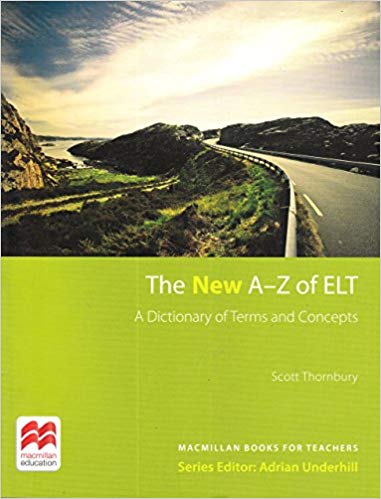
The New A-Z of ELT

The New A-Z of ELT is a practical and informative guide that is indispensable to teachers and teacher trainers of all levels of experience. The new edition has been revised and restructured to take recent developments in language teaching into account. It is a fully cross-referenced, alphabetical guide to ELT that defines and explains essential language teaching concepts and terminology from fields including grammar, linguistics, discourse analysis, digital pedagogues, and phonology.

Price: 89,5Gel 53.7Gel

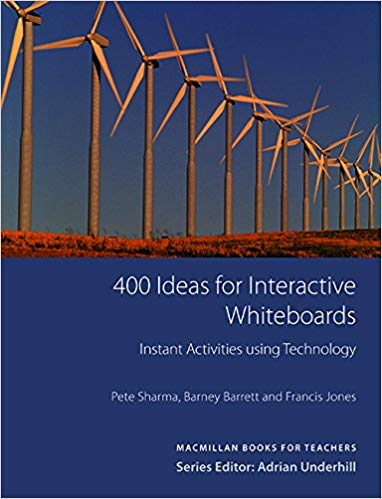
400 Ideas for Interactive Whiteboards

400 Ideas for Interactive Whiteboards provides a wealth of resources to help teachers integrate the digital board into their classrooms. It provides ideas for using regular programs and software, as well as offering suggestions on how to create specifically-tailored resources. Activities are categorised according to skill focus, making them easy to locate. It also contains suggestions for project work, “learning to learn” activities and “the connected classroom”.

Price: 89,5Gel 53.7Gel

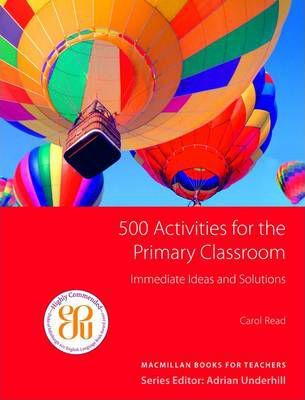
500 Activities for the Primary Classroom

“This book is the answer to that perennial question What on earth am I going to do with my class tomorrow?It provides a lively, varied compendium of ideas.

Price: 89,5Gel 53.7Gel

700 Classroom Activities

This book provides a huge instant repertoire of teaching ideas – including both classroom classics that all ELT teachers come to know and love and fresh, new activities at a range of levels from elementary to upper intermediate. — Macmillan Education.

Price: 89,5Gel 53.7Gel

Beyond the Sentence

How do we design sentences to fit their purposes and how do we combine them to communicate complex, contextualized meanings? This work takes discourse apart to show how it is organized and how it aids communication.

Price: 89,5Gel 53.7Gel

Blended Learning

The ideal companion for any teacher interested in the use of technology in the language classroom, Blended Learning provides a practical overview of the technology currently available. It combines basic information for the technological novice with sophisticated ideas for using technology in the classroom. Teachers are offered practical ideas and suggestions for ways to use technology to enhance and support student’s learning. The authors also examine the implications of the use of technology for language teaching methodology in general.

Price: 85Gel 51Gel

Discover English

Language awareness is the key to success in the language classroom. Discover English will help you to understand and explain common problems in English. It suggests motivating and practical activities which lead to learning. It is designed for use both in teacher training seminars and as self study. Exercises in the first part of this book establish basic principles and explore common area of difficulty. A full key in the second part included commentaries on the issues raised by the exercises and insights into teaching.

Price: 89,5Gel 53.7Gel

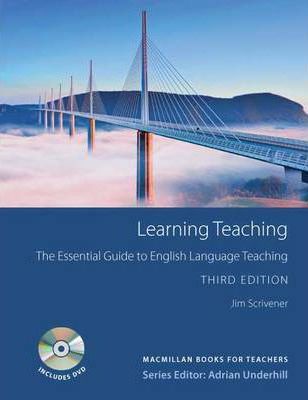
Learning Teaching 3rd Edition

“Learning Teaching” has been one of the most successful guides to English since it was first published in 1994. Its no-nonsense approach has made it a superb teaching textbook for initial training courses, and also an essential handbook for practising ELT teachers. The third edition has been extensively revised and restructured to take recent developments in ELT into account and now includes a DVD featuring a full lesson being taught as well as demonstrations of practical teaching techniques.

Price: 89,5Gel 53.7Gel

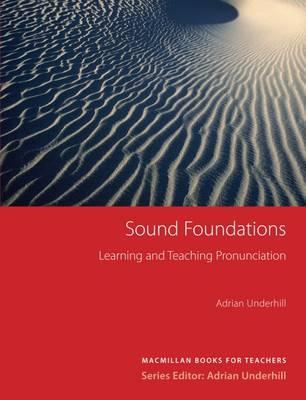
Sound Foundations

Sound Foundations is an ideal introduction to the English phonological system and an invaluable resource both for teachers of full pronunciation courses and for those who sould ismply like to improve the quality of their work on pronunciation. It offers information on pronunciation systems as well as practical activities which can be used in pronunciation classes and in regular language lessons. The discovery approach means both you and your students learn through physically experiencing how pronunciation works. The latest edition includes an Audio CD which contains clearly recorded examples of the sounds described in the book.

Price: 89,5Gel 53.7Gel

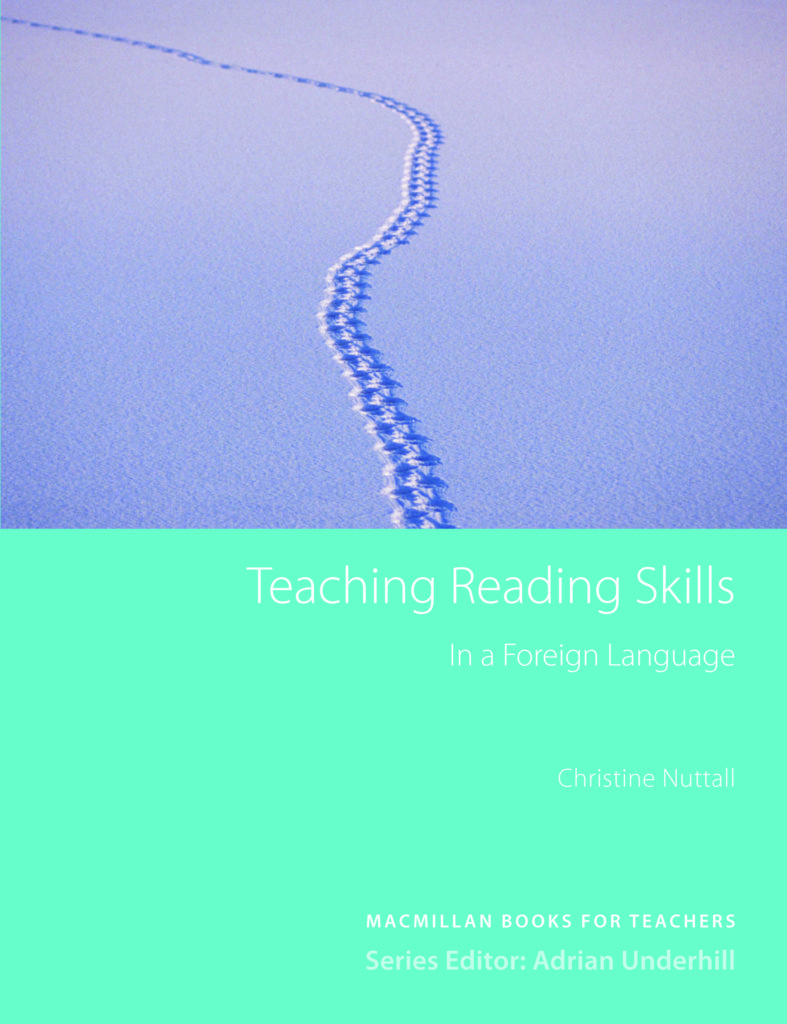
Teaching Reading Skills

Teaching Reading Skills describes how the texts we read are organized to communicate meanings. It examines what is involved in effective reading and suggests ways of helping students to develop into effective readers in a foreign language. It is especially useful for exam and EAP classes and also includes an invaluable chapter on testing reading skills written by Charles Alderson.

Price: 89,5Gel 53.7Gel

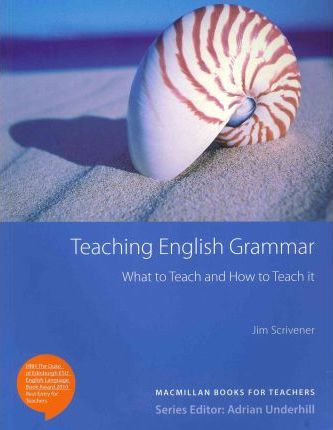
Teaching English Grammar

The perfect companion for both trainees and teacher trainers following courses such as the Cambridge CELTA, and the Trinity Certificate in TESOL, as well as teachers who are unsure of how to present grammar or those who are looking for new ways to present it. Teaching English Grammar aims to combine language information and methodological help in a straightforward, authoritative way and thus help English language teachers prepare and deliver grammar lessons within their syllabus. The book provides teachers with an authoritative and practical handbook on teaching grammar and helps to make preparing grammar lessons easy and straightfoward.

Price: 85Gel 51Gel

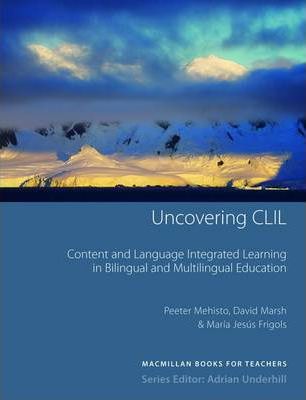
Uncovering CLIL

Uncovering CLIL is a practical and informative handbook which will be of use to teachers of all levels of experience. It examines language and content teaching, and reveals how the two can go hand in hand, giving examples of how to use CLIL at primary, secondary and vocational levels. Packed with practical ideas and suggestions, it is the essential companion for CLIL teachers.

Price: 89,5Gel 53.7Gel

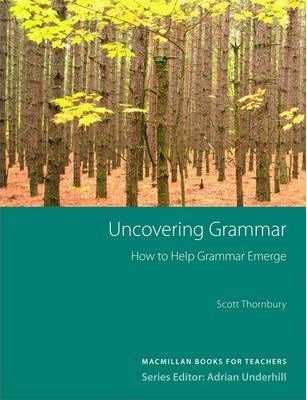
Uncovering Grammar

As teachers we often talk about ‘covering’ grammar points. Scott Thornbury explains why it is more useful to think about how we ‘uncover’ grammar, to reveal the workings of the system to our students and encourage them to notice what is going on. The book uses extracts from exchanges in real classrooms, authentic texts and language teaching tasks. It provides lots of practical activities so that you can immediately and easily put the ideas to work in your classroom.

Price: 89,5Gel 53.7Gel

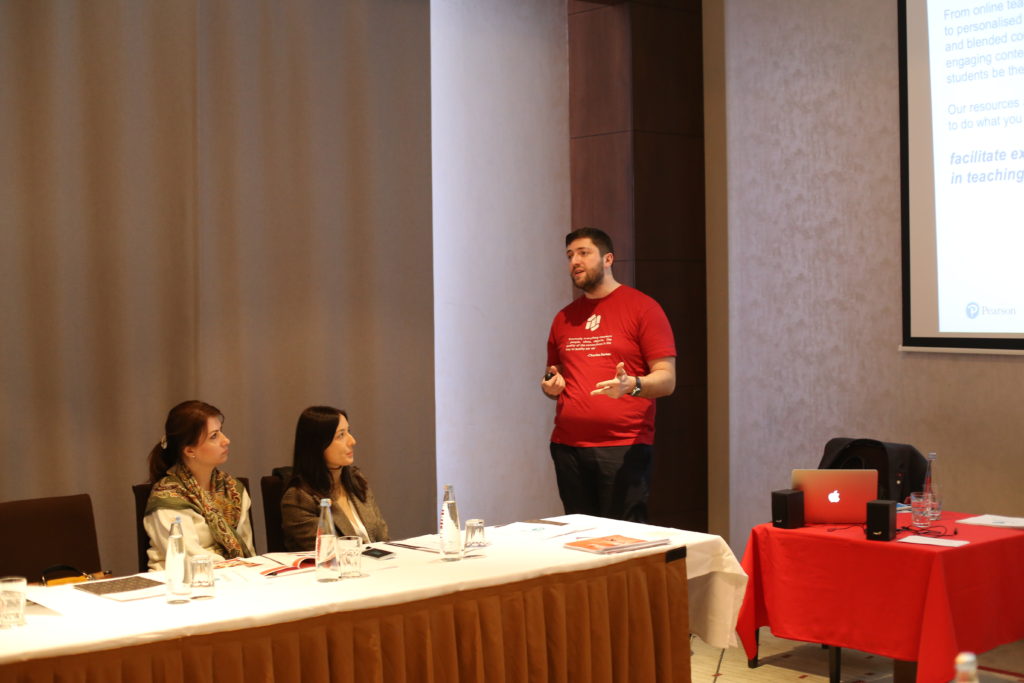
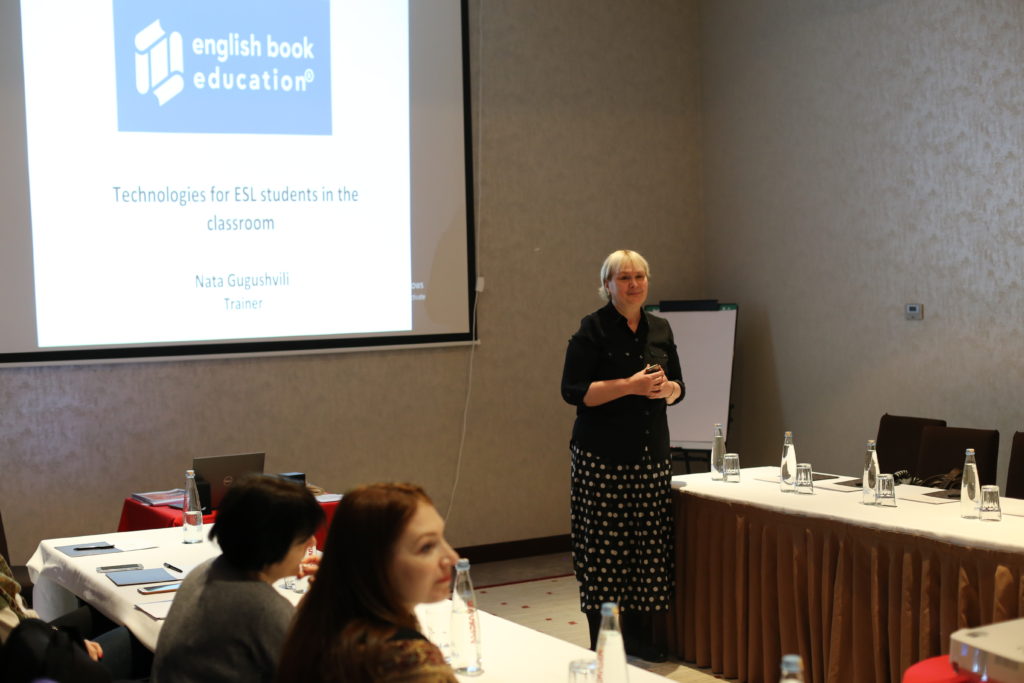
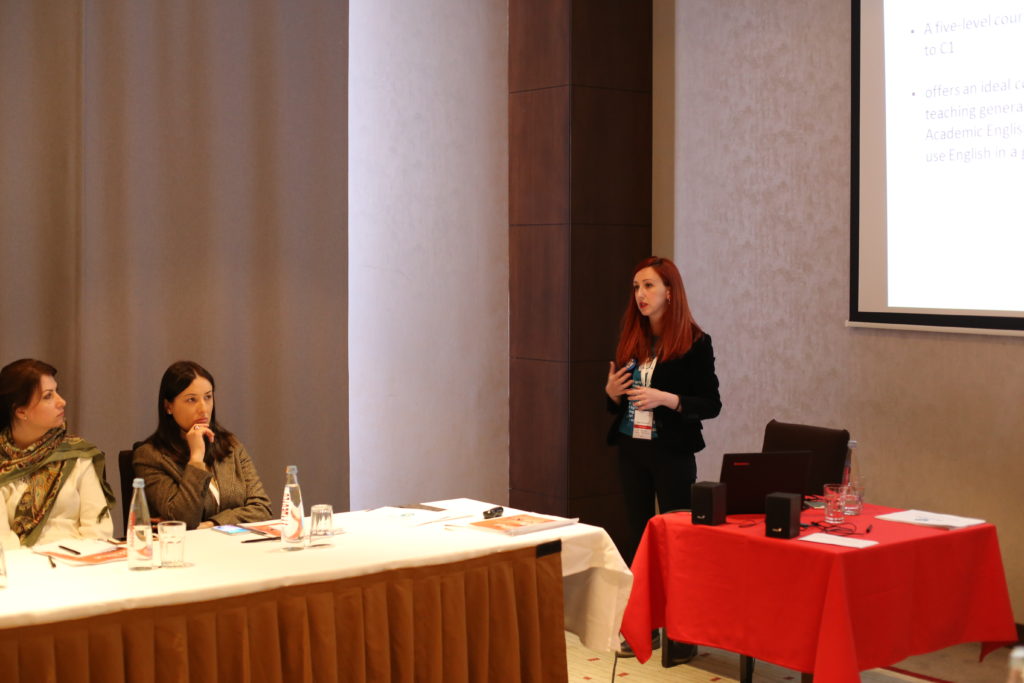
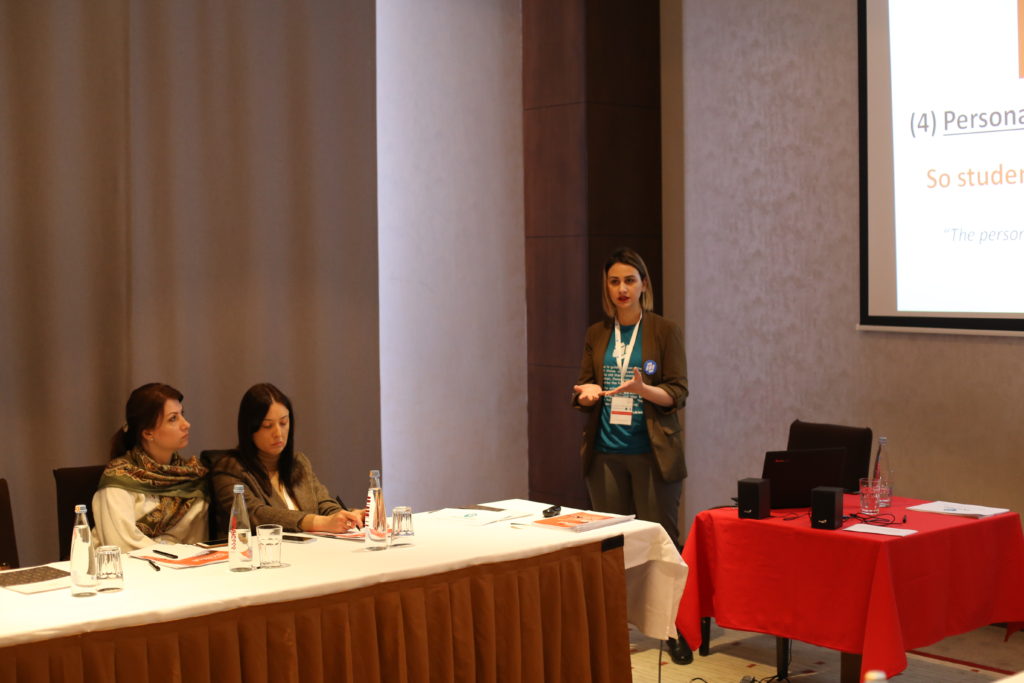
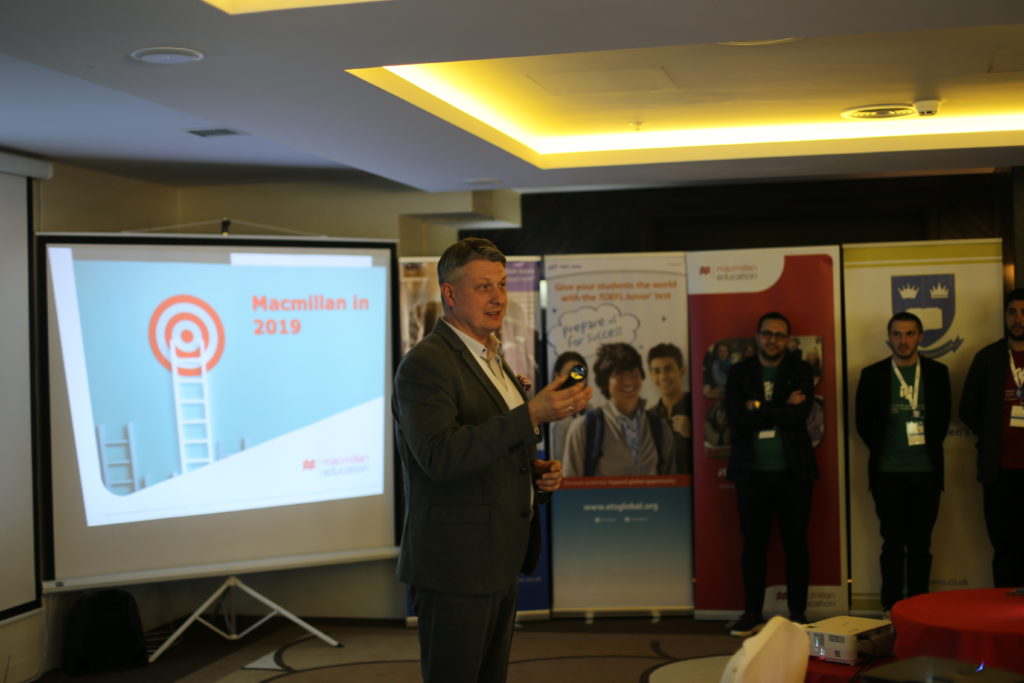
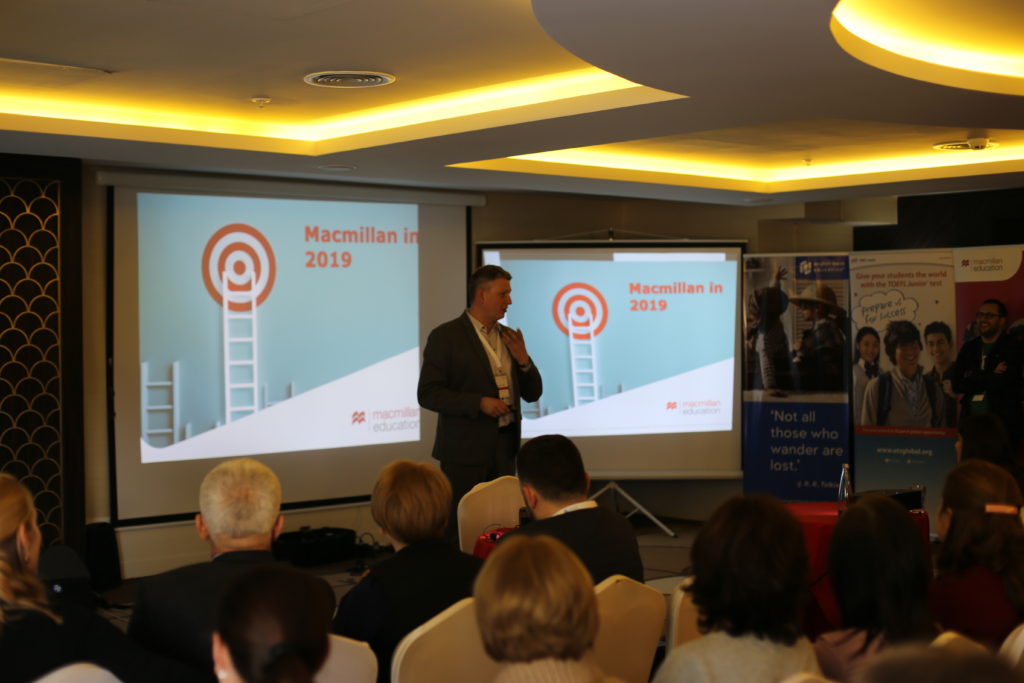
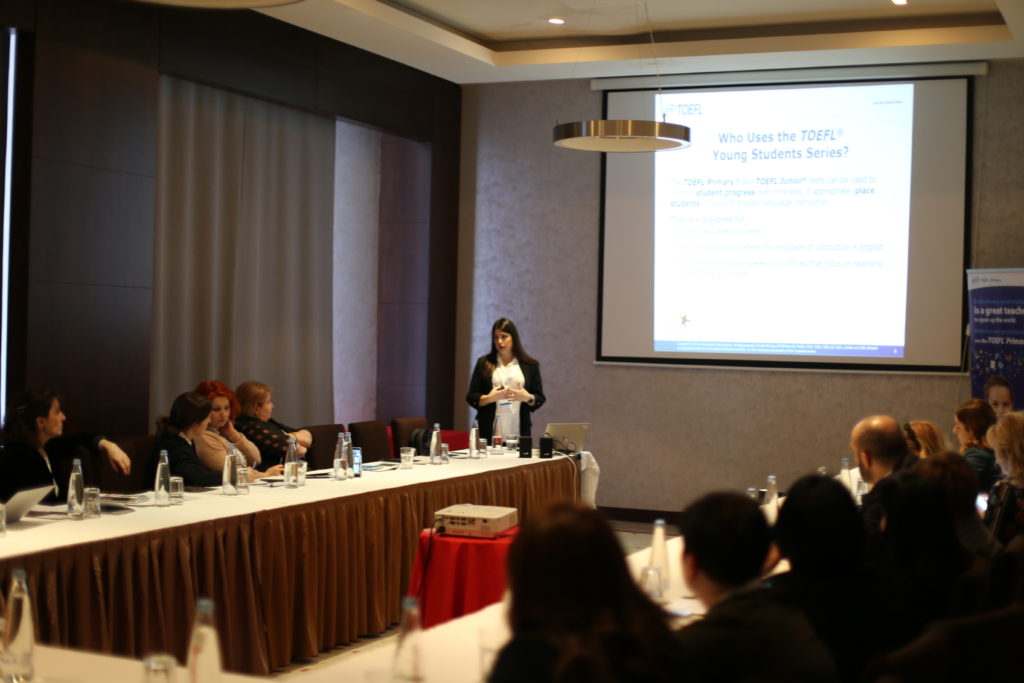
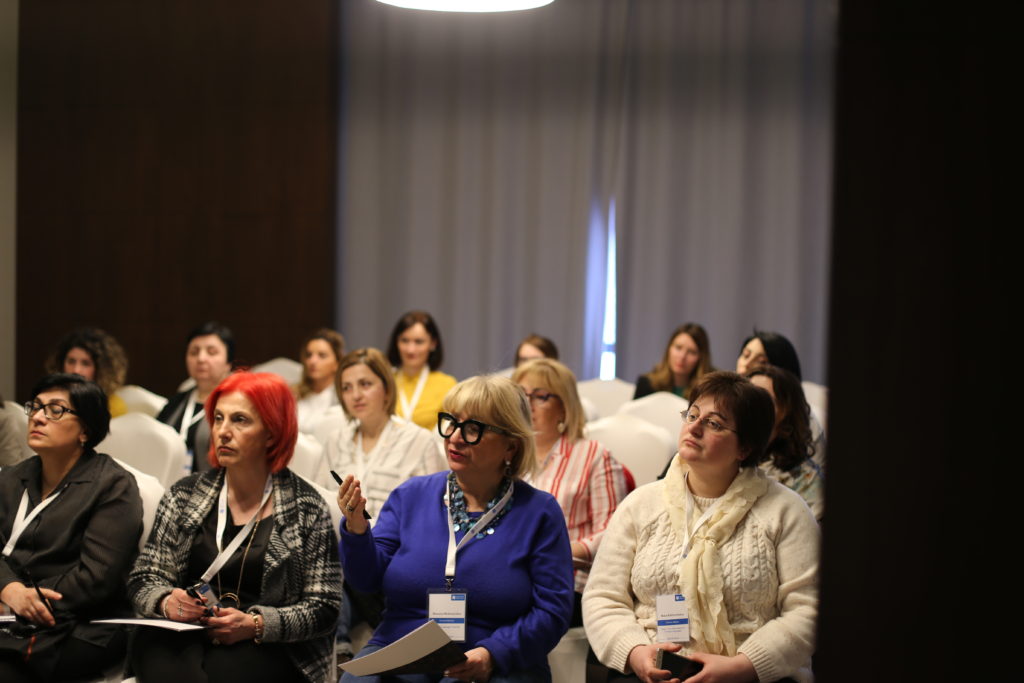
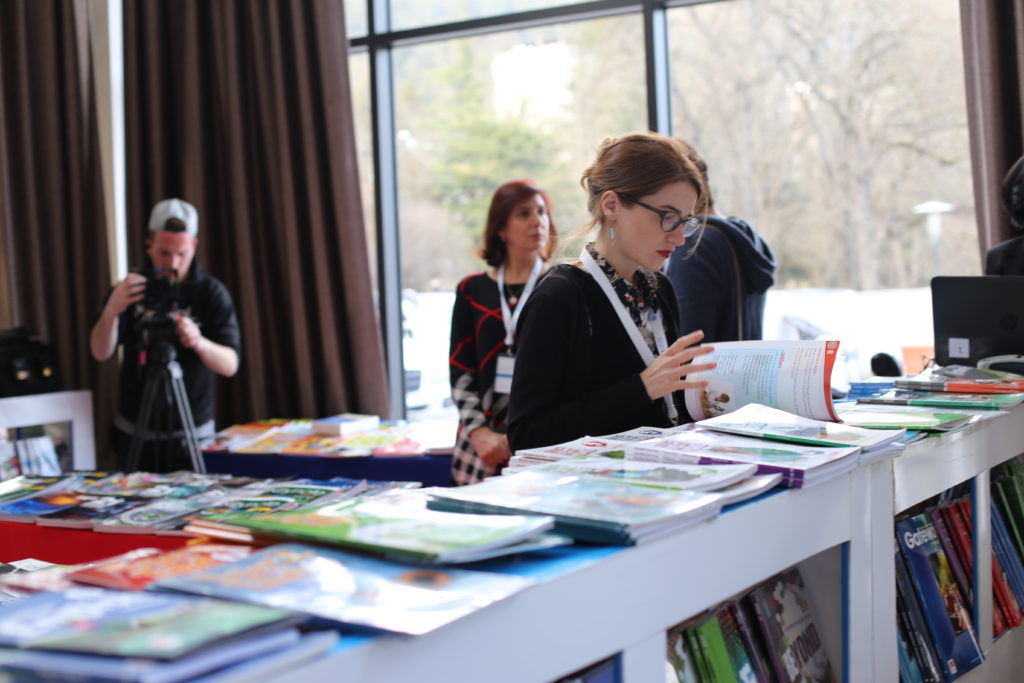
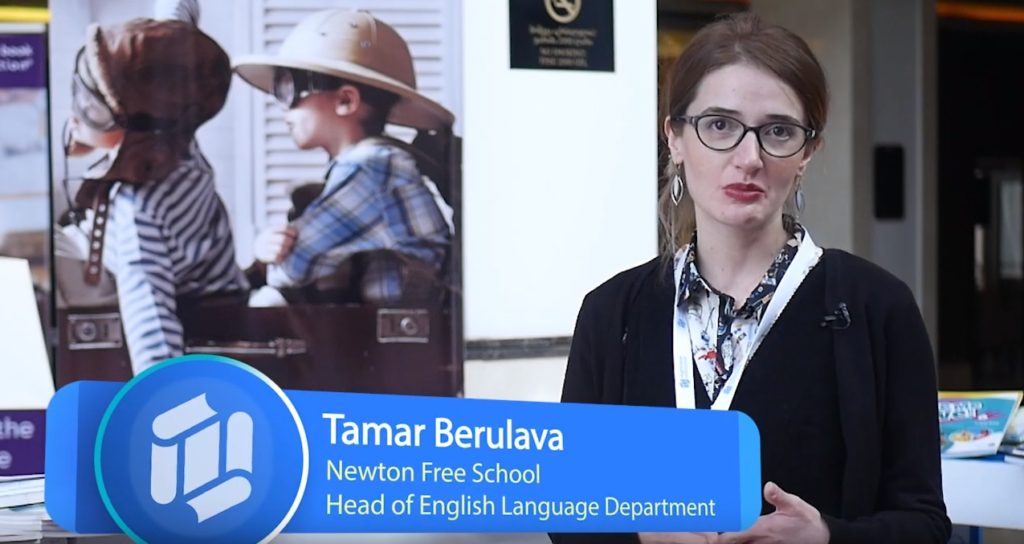
Annual Educational Conference 2019

Marika Tsenteradze

Final Pathway presentation

Nene Gigashvili

Optimise
Zviad Dekanoidze

Pearson Education


HOW TO GET YOUR STUDENTS SPEAKING IN CLASS

HOW TO GET YOUR STUDENTS SPEAKING IN CLASS

Author: Katherine Stannett

Reading Time: 4 minutes

How can we get our learners talking? A combination of factors can often inhibit our students from speaking out loud – fear of making mistakes in front of their peers; not knowing what to say; not feeling motivated or interested in the topic. If we want to engage our students and get them talking in the classroom, we need to create a structured, safe environment, where they can talk about topics that interest them and things that they can relate to their own lives and culture.

So here are my top seven tips for avoiding those deadly silences …

1          Preparation. Don’t expect your teens suddenly to have an opinion about recycling, favorite festivals, healthy living or whatever your topic of the week is. Use a reading or listening text to act as your prompt and elicit reactions from that. Or have your students do some independent research first and then share their findings in groups.

2          Pair work (or small group work). Students who may be nervous of speaking out loud in front of the whole class, often feel much safer when working one to one with a peer. But make sure that one person isn’t dominating the conversation. Monitor pair work activities, walking around the classroom and checking that students are sharing the talking.

3          Prompts. Giving students some written prompts can help to encourage reluctant speakers. For example, you could provide the starting words for each sentence and then have students complete the sentences with their own ideas. Let’s imagine you want students to talk about a festival from their country. You could write prompts like these on the board:

  • This festival celebrates …
  • It’s in {Spring / Summer / November …}
  • In this festival, we sing / eat / wear …
  • I like this festival because …

This gives students a safe and structured way to start the speaking activity and helps to direct their conversation.

4    Points. Students love competitions, so work some point-giving tasks into the speaking activity.  For example, if you’re having a class discussion about the environment, brainstorm related vocabulary onto the board first. Divide the class into teams and then ask a discussion question: How do you help to recycle at home? Have each team discuss the question for a few minutes and then go round the class, eliciting ideas from each team. Teams win a point for every word on the board which they manage to include in their spoken responses.

5        Pictures. Great pictures and photos are a powerful way to evoke responses from students. In the National Geographic Primary course, Look, we open every unit with a thought-provoking photo and ask some discussion questions about the picture.

This picture is from Level 5, Unit 1. We ask students to look at the photo and discuss the following questions:

1 Where are these people?

2 What are they doing? Why?

3 Why do you think they can’t use their phones to make phone calls?

4 How do you communicate with the following people: your school friends; your family; people who live far away?

Look out for pictures that are unusual or that might inspire your students to ask questions.The National Geographic ‘Your Shot’ page is a very useful resource for stunning photos.

6         Personal. Students love to talk about themselves, as long as they’re allowed to define the parameters of the conversation. Don’t expect them to share intimate details of how their family situation is set up, and be aware of discussions that may highlight differences in family income or social status. However, talking about subjects like favorite childhood games; pets; family meals or first experiences allows students to explore familiar subjects, encouraging them to speak out when more alien topics may not engage them.

7          Positivity (not Perfection!) There are plenty of opportunities to correct your students, but try to avoid too much correction during a speaking activity. Respond to students’ spoken output positively, picking up on the ideas they express and making a note of any common errors for correction and practice later on in the lesson. The more confident your students feel, the more they will speak and the more they speak, the better they will get!

I hope these tips will help you next time you’re planning a speaking activity with your students. How about you? Do you have any great ways to encourage your students to speak out in class? Do share them in the comments section below!

Source: National Geographic Learning

CHOICE BOARDS

NationalGeographic_1281067-e1520623724608

CHOICE BOARDS

Reading Time: 4 minutes

Decision-making is an important life skill that all children need to develop. As teachers we share the responsibility, not only of providing opportunities in the classroom for our learners to make choices, but also to help them understand that the choices they make have consequences. There are lots of ways we can address this in the classroom but one way that is simple to set up and easy to add to classroom routines, is the use of choice boards.

Choice Boards: What? Why? and How?

What?

A choice board is a board that displays a number of task options for learners to choose from. The exact number isn’t important but in the most successful choice boards the types of tasks vary as much as possible. This means offering tasks with different degrees of challenge as well as with different skills focus. For example, after teaching language related to ‘daily routines’, tasks could be:

  1. Write a blog post about your daily routines. Write 80 – 100 words.
  2. Make a poster to show your daily routines. Use pictures and text.
  3. Make a short audio recording of yourself talking about your daily routines.
  4. Imagine you are a famous person. Write about your daily routines.
  5. Write an email to a friend in another country, explaining typical daily routines for a child in your country.
  6. Work with a partner. Write a dialogue, asking and answering about daily routines. Record or film yourselves acting out the dialogue.
  7. Interview a family member of friend about their daily routines. Write a summary of the information.
  8. Write a list of 5 things you do every day and 5 things you only do at the weekend.

As you can see in the examples above, there are options that address learner preferences for writing, drawing, speaking and performing. There are also options for working individually or with a partner, for sharing information about oneself or using imagined information. This appeals to learners who are reluctant to share personal information. The suggested tasks also include a range of challenge grades.

Why?

“Besides having a positive effect on a child’s cognitive development, research has shown that when we provide children with choice, we help them develop as confident, independent learners with increased self-esteem.”

(Oswalt, et al. (2008) The Use of Choice in Early Childhood)

Decision-making is a 21st century skill – though in reality, it’s been an important life skill for centuries. While teaching methodologies have come and gone over the years, one thing that many of the great child psychologists and education theorists such as Piaget, Vygotsky, Montessori and many modern experts agree on is the importance of encouraging children to share the responsibility of making decisions about their own learning.

But the main reason I like choice boards so much is because they allow for differentiation in a subtle way. Learners choose tasks they feel most drawn to. All tasks are presented as being equally valid with no one task being worth more or less than any other.

How?

The tasks on choice boards can be done during class time or set as homework.

  • Invite children to read all of the options and then give them some thinking time before they tell you which task they have chosen.
  • It’s a good idea to get children to talk about the pros and cons of each option in pairs or small groups as they are making their decisions. This mirrors real world decision-making when we consult with those close to us before choosing one option over another.
  • For lower levels and younger children, this dialogue can be conducted in L1. After all, they’ll be doing the task itself in English.
  • Give children the opportunity to ask questions about anything they aren’t sure about. You might also like to give them a limited time to change their minds – again, this replicates the real world. Some children have a tendency to choose the same as a friend and it isn’t until they start thinking about the task that they realize they might prefer an alternative option.

If you make choice boards a regular feature of your classroom practice, you can also involve learners in the creation of the board itself. Brainstorming ideas for tasks will be motivating and will increase learners’ sense of ownership of their learning.

Reflection task

Try out a choice board with your class and spend some time completing the reflection tasks below. This can be done in a professional development journal or in a discussion with a colleague.

  1. How many choices did you include on your choice board?
  2. Did the choices address different levels of challenge and different skills?
  3. How did the learners respond to the choice board?
  4. Did all learners successfully complete a task?
  5. Did any of your learners surprise you by the choices they made?
  6. Would you use choice boards again?

If ‘No’, why not? If ‘Yes’, would you do anything differently?

 If you try choice boards with your class, we’d love to hear how it went in the comments section below. 

How has the use of pronouns changed in spoken English?

lingua

In this article, Vaclav Brezina, author of Statistics in Corpus Linguistics: A Practical Guide and Linguistics and English Language lecturer discusses the changing use of pronouns in spoken English.

We rarely think of pronouns – small words such as I, you, mythey and their etc. However, we use these small words very frequently in everyday language. In fact, research shows that personal pronouns occur 100 thousand times per million words in current spoken British English. This means that on average, every tenth word in a sentence will be a pronoun. We also know that there is an interesting gender pattern in pronoun use: generally, women use more pronouns than men. Women are typically engaged in a more involved style of speaking with frequent references to the speaker (I) and other people (he, she, they etc.). There are also differences according to the social class and the region.

Pronoun use has also changed over time, one of the major changes is the way we address other people. For example, in Shakespeare’s times the personal pronoun thou (‘Thou art a scholar; speak to it, Horatio’ Hamlet, I,1.) was used to refer to a single person in a conversation as opposed to multiple people, in which case you would be used. This distinction has disappeared since then – in fact already in Shakespeare’s times the use of you and thou was often interchangeable – and thou has vanished from everyday use. Occasionally, today we can still see thou being used in citations or for humorous purposes:

S1: yeah but we could go in the car S2: yes S1: what thinkest thou? S2: uhu have to get up early (Spoken BNC 2014).

Indeed, we can see that for a number of practical reasons it is useful to be able to distinguish between referring to one person and a group of people. Think of a situation when you want to invite multiple people to join you for a drink or chat. Which pronoun would you use? ‘Would ____ like to come along?’

Now thou is no longer available, speakers have come up with new ways of indicating whether they are talking to one or more people. You allyou guys, everyone etc. are expressions used to address multiple people as opposed to the simple you. Research shows that especially the expression you guysis on a steep rise in current spoken English. Since the early nineties, the frequency of its use in conversation has increased over 15 times.

The research highlighted in this blogpost is based on two large datasets of spoken British English. The Spoken British National Corpus 1994 and the Spoken British National Corpus 2014; the more recent dataset provides important insights into the most recent use of spoken British English and has been jointly developed by Lancaster University and Cambridge University Press.

Would you like to do some linguistic research yourself?

It is very easy. Lancaster University (Leaders of the project: Vaclav Brezina and Dana Gablasova) has developed an online platform called BNClab. The BNClab provides a user-friendly interface for exploring current British English and comparing it to English from the 1990s. The website offers a number of resources for A-level English language, and will soon offer ESL/EFL resources for students and teachers.

Search for examples of pronoun use:

  1. Go to BNClab
  2. Search for: PRONOUN. Look at examples of pronouns and their distribution in different groups: gender, age, social groups and in different regions of the UK.
  3. Follow the instructions in the handoutsprovided and explore the use of pronouns in spoken Englishand much more…

This project has been endorsed by Cambridge University Press, AQA, English Media Centre and Trinity College London. It has been supported by ESRC grant no. EP/P001559/1.

If you’re interested in spoken language then you might enjoy Sarah Grieves’ article on the growing use of ‘yeah no’ in spoken English, found in the Spoken British National Corpus.

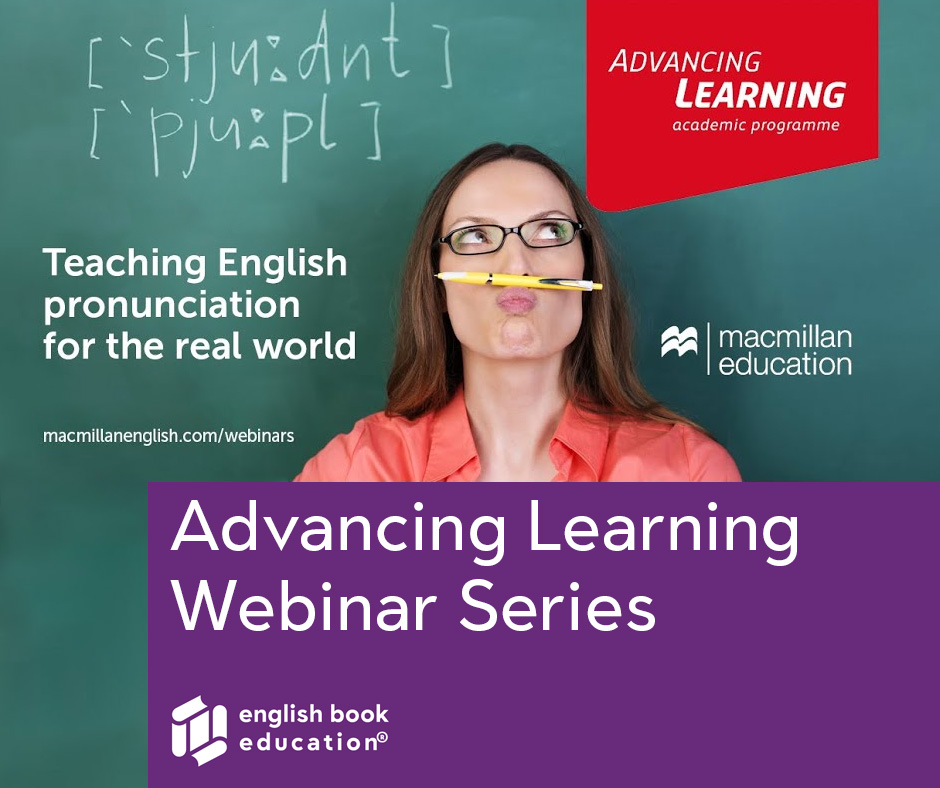
Advancing Learning Webinar Series

webinars-fb

Teacher’s professional development is key for us. We know you’ve been working hard for the past few months so make the most of it. And if you’re planning to catch up on your professional development please follow the link below.

The webinars are provided by Macmillan Education

Strategies to promote and protect language teacher well being Advancing Learning Webinar

What learning 5 languages has taught me about ELT Advancing Learning Webinar

Developing a growth mindset amongst teachers

Teaching English pronunciation for the real world

Back to school for students

HMC, Bosworth Independent College and Harrogate Ladies College Scholarship schemes from new academic year.

All educational material and resources are selected based on the individual interests and age of students, using modern audio, video, visual, print and electronic resources to meet the modern requirements of education.

The King’s & Queen’s club is a book club with difference. Students will read 7 books per academic year and then discuss these in English with a native speaker once a month for two hours. Nothing of this kind currently exists in Georgia beyond practicing English and developing their language ability, students will be able to develop other critical skills.

Find the list of discounted titles: Stephen King, Haruki Murakami, Dan Brown, Gabriel Garcia Marquez, Ernest Hemingway, James Patterson, J.K.Rowling,  Vintage Minis, Vintage Classics, Penguin Essentials, Penguin Kids, Bestsellers, Film Tie-in

Back to school for teachers

This folder includes the following activities and materials for the primary level:

  • Arts and crafts
  • Flashcards
  • Games
  • Topic-based materials

Feel free to download them.

This folder includes the following activities and materials for the primary level:

  • Games
  • Integrated skills activities
  • Posters
  • Topic-based materials
  • Warmers

Feel free to download them.

This folder includes the following activities and materials for the primary level:

  • Intergrated Skills Activity
  • Topic-based materials
  • Video Lessons

Feel free to download them.

Find the list of discounted methodology titles which will help enriching your teaching life.