Tag Archives: William Shakespeare

Love Your Read

ახალი წლის მხიარული ქაოსისა და ფუსფუსის შემდეგ თებერვალი ყოველთვის ერთფეროვანი გვეჩვენება, მიუხედავად იმისა, რომ წელიწადის ყველაზე მოკლე თვეა, ხანდახან გვგონია, დაუსრულებლად გრძელდება. თუმცა თებერვლის მეორე კვირას წმინდა ვალენტინის დღე გამოანათებს და ზამთრის სუსხიან დღეებს თუნდაც ერთი დღით გვითბობს.

გთავაზობთ, ვალენტინობის ერთდღიანი დღესასწაული  გაიხანგრძლივოთ და ჩვენი წიგნების ემოციებით გაზაფხულამდეც გაითბოთ გულები.

რა თქმა უნდა, სიყვარულსა და გრძნობებზე საუბარი წარმოუდგენელია William Shakespeare-ის „Romeo and Juliet“-ს გარეშე. ავტორი მოგვითხრობს სიყვარულზე, რომელიც სიძულვილსაც ჯაბნის და საბოლოოდ ასრულებს მონტეგებისა და კაპულეტების მრავალწლიან ქიშპს. ნაწარმოები უამრავ რომანის, ფილმისა თუ საბალეტო დადგმის შთაგონებად იქცა.

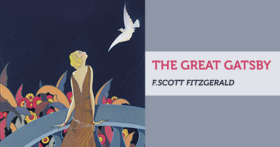
ასევე, უკვდავი სიყვარულის ისტორია აღწერა F. Scott Fitzgerald-მა რომანში „The Great Gatsby“. საინტერესოა, რომ წიგნმა საკმაოდ დიდი ხნის შემდეგ მოიპოვააღიარება; ჩაიარა დიდი რეპრესიის პერიოდმა და მეორე მსოფლიო ომმაც და მხოლოდ შემდეგ აღმოაჩინა მსოფლიომ ეს განსაკუთრებული ნაწარმოები.

F. Scott Fitzgerald-ი ძირითადად გვიამბობს მდიდარი ადამიანების ცხოვრებას; მათი სულიერი ტკივილის, უიმედობისა და ადამიანთა გულგრილობის ფონზე კი წარმოაჩენს სიყვარულს.

F. Scott Fitzgerald-მა ლიტერატურაში შექმნა დაუვიწყარი პერსონაჟი ჯეი გეტსბის სახით, რომელიც, მიუხედავად სიმდიდრისა, საოცარ სულიერ ტკივილს განიცდის უიმედო სიყვარულის გამო. ნაწარმოები ნათლად, უხეშადაც კი გვანახებსსიყვარულის ყველაზე ბნელ მხარეს და მისგან გამოწვეულ ენით აღუწერელ განცდებს.

შემდეგი მწერალი, რომელიც დაუვიწყარ ემოციებთანაა დაკავშირებული Gabriel Garcia Marquez-ია . მისი გამორჩეული ნაწარმოები „Love in the Time of Cholera“ , პირველივე წინადადებიდან ნუსხავს მკითველს, ესაა წიგნი, რომელიც გვანახებს, რომ პანდემიას ამარცხებს მხოლოდ სიყვარული, რომელსაც არ აქვს ასაკი.

დაბოლოს, შემოგთავაზებთ Jojo Moyes-ის ტრილოგიას : “Me Before You“ , „The Girl You Left Behind“ და „After You“. აღნიშნულ ბესთსელერებში შეხვდებით სიყვარულს,რომელიც ადამიანს შეაგრძნობინებს საკუთარი თავის ღირსებასა და უფრო საინტერესოს გახდის მის ცხოვრებას.

ყველა აღნიშნულ წიგნზე Bookshop გთავაზობთ 20 % – მდე ფასდაკლებას 14 თებერვლის ჩათვლით.

Some facts you didn’t know about Shakespeare

Did you know that some people think England’s beloved Bard never existed? According to one longstanding theory the literary masterpieces attributed to Shakespeare were actually written by Edward De Vere, Earl of Oxford. Find out more about this hypothesis and explore other interesting aspects of Shakespeare’s life.

Shakespeare married an older woman who was three months pregnant at the time.

In November 1582, 18-year-old William wed Anne Hathaway, a farmer’s daughter eight years his senior. Instead of the customary three times, the couple’s intention to marry was only announced at church once—evidence that the union was hastily arranged because of Anne’s eyebrow-raising condition. Six months after the wedding, the Shakespeares welcomed a daughter, Susanna, and twins Hamnet and Judith followed in February 1585. Little is known about the relationship between William and Anne, besides that they often lived apart and he only bequeathed her his “second-best bed” in his will.

Shakespeare’s plays feature the first written instances of hundreds of familiar terms.

William Shakespeare is believed to have influenced the English language more than any other writer in history, coining—or, at the very least, popularizing—terms and phrases that still regularly crop up in everyday conversation. Examples include the words “fashionable” (“Troilus and Cressida”), “sanctimonious” (“Measure for Measure”), “eyeball” (“A Midsummer Night’s Dream”) and “lackluster” (“As You Like It”); and the expressions “foregone conclusion” (“Othello”), “in a pickle” (“The Tempest”), “wild goose chase” (“Romeo and Juliet”) and “one fell swoop” (“Macbeth”). He is also credited with inventing the given names Olivia, Miranda, Jessica and Cordelia, which have become common over the years (as well as others, such as Nerissa and Titania, which have not).

We probably don’t spell Shakespeare’s name correctly—but, then again, neither did he.

Sources from William Shakespeare’s lifetime spell his last name in more than 80 different ways, ranging from “Shappere” to “Shaxberd.” In the handful of signatures that have survived, the Bard never spelled his own name “William Shakespeare,” using variations or abbreviations such as “Willm Shakp,” “Willm Shakspere” and “William Shakspeare” instead. However it’s spelled, Shakespeare is thought to derive from the Old English words “schakken” (“to brandish”) and “speer” (“spear”), and probably referred to a confrontational or argumentative person.

Shakespeare wore a gold hoop earring—or so we think.

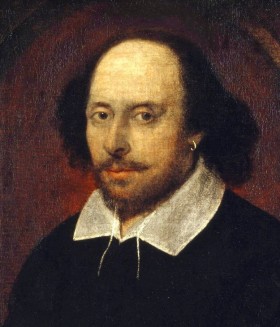
Our notion of William Shakespeare’s appearance comes from several 17th-century portraits that may or may not have been painted while the Bard himself sat behind the canvas. In one of the most famous depictions, known as the Chandos portrait after its onetime owner, the subject has a full beard, a receding hairline, loosened shirt-ties and a shiny gold hoop dangling from his left ear. Even back in Shakespeare’s time, earrings on men were trendy hallmarks of a bohemian lifestyle, as evidenced by images of other Elizabethan artists. The fashion may have been inspired by sailors, who sported a single gold earring to cover funeral costs in case they died at sea.

Amongst the 80 languages Shakespeare’s works have been translated into the most obscure must be the constructed language of Klingon.

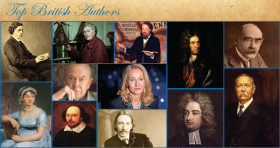
Top British Writers of all time

William Shakespeare – William Shakespeare was baptized April 26, 1564, in Stratford-upon-Avon, England. From roughly 1594 onward he was an important member of the Lord Chamberlain’s Men company of theatrical players. Written records give little indication of the way in which Shakespeare’s professional life molded his artistry. All that can be deduced is that over the course of 20 years, Shakespeare wrote plays that capture the complete range of human emotion and conflict.

Thomas More- Sir Thomas More , known by Catholics as Saint Thomas More since 1935, was an English lawyer, social philosopher, author, statesman, and noted Renaissance humanist. He was an important councillor to Henry VIII of England and was Lord Chancellor from October 1529 to 16 May 1532. He is commemorated by the Church of England as a “Reformation martyr”. More coined the word “utopia” – a name he gave to the ideal and imaginary island nation, the political system of which he described in Utopia published

Jonathan Swift was an Anglo-Irish satirist, essayist, political, poet and cleric who became Dean of St. Patrick’s Cathedral, Dublin. He is remembered for works such as Gulliver’s Travels, A Modest Proposal, A Journal to Stella, Drapier’s Letters, The Battle of the Books, An Argument Against Abolishing Christianity, and A Tale of a Tub. Swift is probably the foremost prose satirist in the English language, and is less well known for his poetry.

Daniel Defoe born Daniel Foe, was an English trader, writer, journalist, and pamphleteer, who gained fame for his novel Robinson Crusoe. Defoe is notable for being one of the earliest proponents of the novel, as he helped to popularize the form in Britain and along with others such as Richardson, is among the founders of the English novel. A prolific and versatile writer, he wrote more than 500 books, pamphlets and journals on various topics.

Jane Austen was an English novelist whose works of romantic fiction, set among the landed gentry, earned her a place as one of the most widely read writers in English literature. Her realism and biting social commentary has gained her historical importance among scholars and critics.

Charles John Huffam Dickens was an English writer and social critic who is generally regarded as the greatest novelist of the Victorian period and the creator of some of the world’s most memorable fictional characters. During his lifetime Dickens’ works enjoyed unprecedented popularity and fame. Now his novels and short stories are popular too.

Charles Lutwidge Dodgson better known by the pseudonym Lewis Carroll was an English author, mathematician, logician, Anglican deacon and photographer. His most famous writings are Alice’s Adventures in Wonderland and its sequel Through the Looking-Glass, as well as the poems “The Hunting of the Snark” and “Jabberwocky”, all examples of the genre of literary nonsense. He is noted for his facility at word play, logic, and fantasy.enson

Robert Louis Stevenson – Scottish essayist, poet, and author of fiction and travel books, known especially for his novels of adventure. Stevenson’s characters often prefer unknown hazards to everyday life of the Victorian society. His most famous examinations of the split personality are THE STRANGE CASE OF DR. JEKYLL AND MR. HYDE. and TREASURE ISLAND .Many of Stevenson’s stories are set in colorful locations, they have also horror and supernatural elements.

Charlotte Brontë was an English 19th century writer whose novel Jane Eyre is considered a classic of Western literature. Born on April 21, 1816, in Thornton, Yorkshire, England, Charlotte Brontë worked as a teacher and governess before collaborating on a book of poetry with her two sisters, Emily and Anne, who were writers as well. In 1847, Brontë published the semi-autobiographical novel Jane Eyre, which was a hit and would become a literary classic. Her other novels included Shirley andVillette. She died on March 31, 1855, in Haworth, Yorkshire, England.

Sir Arthur Ignatius Conan Doyle was a Scottish physician and writer, most noted for his stories about the detective Sherlock Holmes, generally considered a milestone in the field of crime fiction, and for the adventures of Professor Challenger. He was a prolific writer whose other works include science fiction stories, plays, romances, poetry, non-fiction and historical novels.

Joseph Rudyard Kipling was an English poet, short-story writer, and novelist .Kipling received the 1907 Nobel Prize for Literature. Kipling is best known for his works of fiction, including The Jungle Book (a collection of stories which includes “Rikki-Tikki-Tavi”), Just So Stories , Kim , many short stories, including “The Man Who Would Be King” ; and his poems, his children’s books are enduring classics of children’s literature.

Dame Agatha Mary Clarissa Christie was a British crime writer of novels, short stories, and plays. She also wrote romances under the name Mary Westmacott, but she is best remembered for her 66 detective novels and more than 15 short story collections (especially those featuring Hercule Poirot or Miss Jane Marple), and her successful West End plays.
According to the Guinness Book of World Records, Christie is the best-selling novelist of all time. Her novels have sold roughly four billion copies.

Joanne “Jo” Rowling, better known as J. K. Rowling, is a British novelist, best known as the author of the Harry Potter fantasy series. The Potter books have gained worldwide attention, won multiple awards, sold more than 400 million copies to become the best-selling book series in history and been the basis for a popular series of films.

Henry Graham Greene was an English author, playwright and literary critic. His works explore the ambivalent moral and political issues of the modern world. Greene was notable for his ability to combine serious literary acclaim with widespread popularity : Brighton Rock, The Power and the Glory, The Heart of the Matter and The End of the Affair, The Confidential Agent, The Third Man, The Quiet American, Our Man in Havana and The Human Factor.

[button color=”grey” size=”medium” link=”https://www.timetoast.com/timelines/the-most-famous-british-writers” ]Source[/button]

Who Inspired Whom?

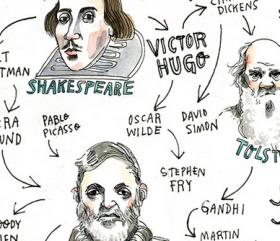
Many authors inspired or influenced people throughout the world. For example, English poet Lord Byron inspired the author Bram Stoker who then inspired film director Tim Burton. Everyone is connected. Take a look!

circlesofinfluence1


[button color=”blue” size=”small” link=”http://www.brainpickings.org/” target=”blank” ]Source[/button]


Inspirational Quotes


Deprecated: preg_match_all(): Passing null to parameter #2 ($subject) of type string is deprecated in /home2/englita2/public_html/blogebg/wp-includes/media.php on line 1893

Deprecated: str_contains(): Passing null to parameter #1 ($haystack) of type string is deprecated in /home2/englita2/public_html/blogebg/wp-includes/shortcodes.php on line 150

Deprecated: preg_split(): Passing null to parameter #2 ($subject) of type string is deprecated in /home2/englita2/public_html/blogebg/wp-includes/formatting.php on line 3492

საინტერესო სიტყვები და გამონათქვამები – William Shakespeare Edition, Part 2

Image source: VisitBritain / AP


1. Eyeball.

A Midsummer Night’s Dream, Act III, Scene II.


2. Puking.

As You Like It, Act II, Scene VII.


3. Obscene.

Love’s Labours Lost, Act I, Scene I.


4. Cold-blooded.

King John, Act III, Scene I.


5. Hot-blooded.

King Lear, Act II, Scene IV.


6. Fashionable.

Troilus And Cressida, Act III, Scene III.


7. Addiction.

Othello, Act II, Scene II.


8. Arch-villain.

Timon Of Athens, Act V, Scene I.


9. Assassination.

Macbeth, Act I, Scene VII.


10. Bedazzled.

The Taming of the Shrew, Act IV, Scene V.


Note: these are all Shakespeare’s coinages according to the Oxford English Dictionary. That doesn’t necessarily mean he invented every word, merely that in each case, the first recorded written usage was in one of his plays.

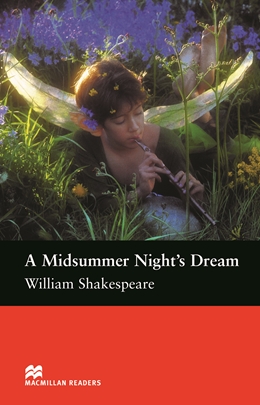
კვირის წიგნი: A Midsummer Night’s Dream by William Shakespeare

9781405087278

When four young lovers get lost in the forest, the fairies that live there play jokes on them – turning love into hate and hate into love. A Midsummer Night’s Dream is one of Shakespeare’s most popular plays. This Macmillan Reader is written as a play script and includes original extracts.

[button color=”blue” size=”small” link=”http://onlinebookshop.ge/shop/graded-readers-macmillan/macmillan-readers-a-midsummer-nights-dream/” target=”blank” ]იყიდება წიგნი[/button]

Things You Didn’t Know About William Shakespeare

The UK National Portrait Gallery’s inaugural portrait was of William Shakespeare.
Image source: npg.org.uk

1. According to the Oxford Dictionary of Quotations, Shakespeare wrote close to a 1/10 of the most quoted lines ever written or spoken in English.What’s more, according to the Literary Encyclopaedia, Shakespeare is the second most quoted English writer after the writers of the Bible.

2. Shakespeare has been credited by the Oxford English Dictionary with introducing almost 3,000 words to the English language. Estimations of his vocabulary range from 17,000 to 29,000 words – at least double the number of words used by the average conversationalist.

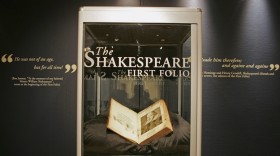
3. Shakespeare never published his plays. They are known today only because two of his fellow actors – John Hemminges and Henry Condell – recorded and published 36 of them posthumously under the name The First Folio, which is the source of all Shakespeare books published.

Shakespeare never published his plays.
Image source: wikipedia.org

4. Copyright didn’t exist in Shakespeare’s time, so there was a thriving trade in copied plays. To help counter this, actors got their lines only once the play was in progress, often in the form of cue acting where someone backstage whispered them to the person shortly before he was supposed to deliver them.

5. Aside from writing 38 plays and composing 154 sonnets, Shakespeare was also an established actor. He performed in many of his own plays as well as those of his contemporaries, such as Ben Jonson.

6. “William Shakespeare” is an anagram of “I am a weakish speller”, “I’ll make a wise phrase”, “Lame Swahili speaker” and “Hear me as I will speak”.

7. The moons of Uranus are named after Shakespearean characters. The moons were originally named in 1852 after magical spirits from English literature. The International Astronomy Union subsequently developed the convention to name all further moons of Uranus (of which there are 27) after characters in Shakespeare’s plays or Alexander Pope’s The Rape of the Lock.

The moons of Uranus are named after Shakespearean characters.
Image source: daviddarling.info

8. Shakespeare had close connections with King James I. The King made the actors of Shakespeare’s company ‘Grooms of Chamber’, in response Shakespeare changed the company’s name from the ‘Lord Chamberlain’s Men’ to the ‘King’s Men’. The new title made Shakespeare a favourite with the King and in much demand for Court performances.

9. Unlike most artists of his time, Shakespeare died a very wealthy man with a large property portfolio. He was a brilliant businessman – forming a joint-stock company with his actors meaning he took a share in the company’s profits, as well as earning a fee for each play he wrote.

10. There are more than 80 variations recorded for the spelling of Shakespeare’s name. In the few original signatures that have survived, Shakespeare spelt his name “Willm Shaksp,” “William Shakespe,” “Wm Shakspe,” “William Shakspere,” ”Willm Shakspere,” and “William Shakspeare”. There are no records of him ever having spelt it “William Shakespeare”, as we know him today.

There are more than 80 variations recorded for the spelling of Shakespeare’s name.
Image source: public.wsu.edu

11. The original Globe Theatre came to a premature end in 1613 during a performance of Henry VIII, when a cannon set light to the thatched roof. Within two hours the theatre was burnt to the ground. It was rebuilt in 1614.

12. The Royal Shakespeare Company sells more than half a million tickets a year for Shakespeare productions at their theatres in Stratford-on-Avon, London and Newcastle.

13. Nobody knows Shakespeare’s true birthday. It’s celebrated on April 23 – three days before his baptism, which was recorded on April 26, 1564. However, as Shakespeare was born under the old Julian calendar, what was April 23 during Shakespeare’s life would actually be May 3 according to today’s Gregorian calendar.