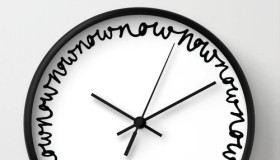
What does it mean?
Be patient. Eventually something good will happen to you.

Where does it come from?
The related phrase all things come to those who wait was used by Violet Fane in 1892.
content-views-query-and-display-post-page domain was triggered too early. This is usually an indicator for some code in the plugin or theme running too early. Translations should be loaded at the init action or later. Please see Debugging in WordPress for more information. (This message was added in version 6.7.0.) in /home2/englita2/public_html/blogebg/wp-includes/functions.php on line 6170js_composer domain was triggered too early. This is usually an indicator for some code in the plugin or theme running too early. Translations should be loaded at the init action or later. Please see Debugging in WordPress for more information. (This message was added in version 6.7.0.) in /home2/englita2/public_html/blogebg/wp-includes/functions.php on line 6170gravity-forms-pdf-extended domain was triggered too early. This is usually an indicator for some code in the plugin or theme running too early. Translations should be loaded at the init action or later. Please see Debugging in WordPress for more information. (This message was added in version 6.7.0.) in /home2/englita2/public_html/blogebg/wp-includes/functions.php on line 6170
What does it mean?
Be patient. Eventually something good will happen to you.

Where does it come from?
The related phrase all things come to those who wait was used by Violet Fane in 1892.

What does it mean?
Different people have different ideas about what’s valuable.

Where does it come from?
The earliest example I found in Google Books is in Hector Urquhart’s introduction to 1860s Popular Tales of the West Highlands:
Practical men may despise the tales, earnest men condemn them as lies, some even consider them wicked ; one refused to write any more for a whole estate ; my best friend says they are all ‘ blethers.’ But one man’s rubbish may be another’s treasure, and what is the standard of value in such a pursuit as this?”

What does it mean?
Things sometimes look different than they really are. A restaurant that looks old and small might have amazing food, for example.

Where does it come from?
Don’t judge a book by its cover, see a man by his cloth, as there is often a good deal of solid worth and superior skill underneath a [???] jacket and yaller pants.”
Book geeks express their love for reading in many ways. Using book idioms can be one of them.
Some of the phrases, like “in someone’s good books,” are associated with positive feelings or actions. However, the word “book” can be also used to describe things in negative light. The example is “to bring someone to book.”
There is probably only one idiom on the list that most people know and use – “don’t judge the book by it’s cover.” What about the other nine? Your knowledge of idioms about books is not a closed book, is it?

a closed book
1. something that you accept has completely ended
Example: As far as she is concerned, her marriage is a closed book.
2. something or someone that is very difficult to understand
Example: I’m afraid accountancy is a closed book to me.

an open book
something or someone that is easy to know about because nothing is kept secret
Example: Her life is an open book.

read someone like a book
to be able to understand easily what someone is thinking or feeling
Example: I know what you’re thinking – I can read you like a book.

the oldest trick in the book
a dishonest method of doing something that you know about because it has been used many times before
Example: Flattery is the oldest trick in the book, so don’t fall for it!

in someone’s good books
used for saying that someone is pleased with you
Example: I’m trying to get back in her good books.

by the book
correctly, following all the rules or systems for doing something in a strict way
Example: He always tried to do everything by the book.

bring someone to book
to punish someone, or to make them explain their behavior publicly when they have done something wrong
Example: If policemen have lied, then they must be brought to book.

take a leaf out of someone’s book
to copy what someone else does because they are successful at doing it
Example: They should take a leaf out of industry’s book and pay both management and staff on results.

don’t judge a book by its cover
used for saying that you should not form an opinion about someone or something only from their appearance

cook the books
to change accounts and figures dishonestly, usually in order to get money

[button color=”blue” size=”small” link=”http://www.macmillanenglish.com/resources/books-infographic/” target=”blank” ]Source[/button]

“There’s no time like the present.”
What does it mean?
If you need to do something, don’t wait until later. Do it now.

Where does it come from?
Do or say it now, as in Go ahead and call him-there’s no time like the present. This adage was first recorded in 1562. One compiler of proverbs, John Trusler, amplified it: “No time like the present, a thousand unforeseen circumstances may interrupt you at a future time” ( Proverbs Exemplified, 1790).

“Easy come, easy go.”
What does it mean?
When you get money quickly, like by winning it, it’s easy to spend it or lose it quickly as well.

Where does it come from?
Originally stated as lightly come, lightly go OR quickly come, quickly go. The adverb easy was substituted in the early 1800s and has been a common expression since.

“If it ain’t broke, don’t fix it.”
What does it mean?
Don’t try to improve something that already works fairly well. You’ll probably end up causing new problems.

Where does it come from?
It’s been a colloquial phrase in the southern states of the USA. For example, this piece is from the Texas newspaper The Big Spring Herald, December, 1976:
“We would agree with the old Georgia farmer who said his basic principle was ‘If it ain’t broke, don’t fix it.'”
The phrase has to be American. In England things don’t get broke, they get broken. ‘Ain’t broke’ is intended as a knowing southern yokelism, as opposed to ‘proper’ American, but it is one that wouldn’t have originated anywhere else.

“Birds of a feather flock together.”
What does it mean?
People like to spend time with others who are similar to them.

Where does it come from?
This proverb has been in use since at least the mid 16th century. In 1545, William Turner used a version of it in his papist satire The Rescuing of Romish Fox:
“Byrdes of on kynde and color flok and flye allwayes together.”

“When in Rome, do as the Romans do.”
What does it mean?
Act the way that the people around you are acting. This phrase might come in handy when you’re traveling abroad notice that people do things differently than you’re used to.

Where does it come from?
Henry Porter, wrote a version very similar to the present day version of the proverb in his play The Pleasant History of the Two Angry Women of Abington, in 1599:
Nay, I hope, as I have temperance to forbear drink, so have I patience to endure drink: Ile do as company dooth; for when a man doth to Rome come, he must do as there is done.”