Tag Archives: teachers

Tips On Better Class Management


E-learning concept. Schooldesk and chalkboard on the laptop keyboard. 3d

The internet offers a lot of possibility for expanding the horizons of teaching. That said, a lot of discussion forums end up being empty of life. How can teachers help nurture interaction?

  • Set rules for engagement

It’s always a good call to have some basic rules of behavior, “netiquette”, in other words. Here’s a sample.

  1. Respect the opinions and views of other people in the forum.
  2. Use names when you quote someone.
  3. Do not insult anyone in the forum or use rude language.
  4. If you don’t understand something, ask the person to explain it in a different way.
  5. Don’t type in all caps.
  6. If you have a problem with a user, inform a teacher.

2) Use names

Naming participants in your interactions helps them feel included, which is important for communication. If you know that your name is mentioned, you may be inclined to comment.

3) Lead by example and give praise

Make sure to participate in a lot of conversations yourself, setting an example for everyone else. Also, don’t forget to thank students for their contributions! That is great motivation.

“Online class management”, Lindsay Clandfield and Jill Hadfield. Cambridge University Press, 5 April, 2017, P8


The Role Of a Teacher in a Blended Learning Classroom


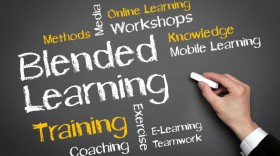
Blended Learning

Some think that just because technology plays a key role in ‘blended’ classrooms, teachers are no longer central to the model. This isn’t true. Blended learning does not imply a silent classroom full of students all working individually on their computers while their teacher addresses technical issues. The model combines the best of both worlds, which means that teachers are just as important as computers.

The technology provides access to the online materials, sure, but it’s the teacher who chooses what to do. The technology also marks closed practice activities, but teachers facilitate open activities and assess students’ language use. Teachers also recognize and praise their effort.

In short, teachers shouldn’t feel threatened by technology, but rather see an opportunity to improve their work.

“Blended Learning myths: busted!”, Graham Skerritt. Cambridge University Press, 5 April, 2017, P10

Learning Oriented Assessment

images

The LOA cycle starts at the “macro level”, where key learning objectives are set at the start of a course. These objectives allow us to create a syllabus, which moves us into the “micro level”, where the course is actually taught. At this level, teachers are asked to identify a task designed to help students to work toward one of the learning objectives. This task is to be observed and informally assessed by the teacher.

The teachers are then to use these observations to make decisions on how to further organize the course. This includes giving students feedback on their performance, but could also involve changing the tasks ahead in accordance to students’ needs.

Teachers can also use a formal proficiency exam at the end of the course, the results of which can be used to complete the students’ profile. This allows them to combine evidence of learning and evidence for learning.

If you’re interested in implementing the LOA cycle in your classroom, here are some tips:

  • Make sure to set both higher-level learning outcomes and more specific objectives as well.
  • Identify the different styles of assessment.
  • Collect evidence in a systematic way.
  • Turn this evidence into individualized learning.
  • Build learners’ ability to learn!

“Learning Oriented Assessment”, Angeliki Salamoura and Sarah Unsworth. Cambridge University Press, 5 April, 2017, P5

Five Tips For Using Videos Effectively in Class


video-classroom

1) Error Correction

Many teachers hesitate to interrupt students in order to correct their grammar or pronunciation, as they feel that this could make them self-conscious. Thankfully, videos provide a great way of correcting errors without having to break the flow of a presentation of a conversation. You can always rewatch the recording and pause at the error. You can even get students to watch the video themselves and try to find errors.

2) Teach tenses

Another great idea is to use videos to practice tenses. Stop a video and ask students to guess what will happen next. They will have to use the future tense! Or you could practice present perfect by only playing audio and asking your students “what has he done?”.

3) Use digital tools to build learner autonomy

You could also try getting your students to make their own videos to help them become more independent. You could use iMovie, Shadow Puppet or WeVideo.

4) Give students a reason…and an audience!

Videos give students a reason to use English, which they can also share afterwards. So, you could make a music “festival” where students can share their films.

5) Create a sense of progress

Using videos can be great for showing progress. Watching a video from a month ago, students can notice errors that they no longer make, which will motivate them a great deal.

“Five top tips for using video with your learners”, Alastair Horne. Cambridge University Press, 5 April, 2017, P3

Using Video In Class

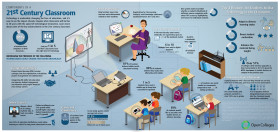
21st_century_classroom


Many teachers agree that images, still or moving, are very important to teenagers today. It’s how they access the wider world and learn more about it, it is how they share funny gags and stories with friends, and also it is an integral part of their lives. So, what better way to get students to be more active in class than to incorporate some video material?

The videos do not have to be long, either. Many teachers think that screening long and meaningful videos in class are a great idea, but most teenagers today are used to far shorter videos, on the order of 3-5 minutes. Showing more amateurish, relatable clips in class will get the students involved a lot more, especially if they can easily make their own versions of them.

You could even organize a couple of mini-projects, get your students to grab their smartphones and take a few pictures and videos! Set them out to document examples of English being used around them. They will quickly realize just how widespread the language is. For a lot of learners, English is removed from their everyday lives, so this is a good opportunity of breaking them out of their bubble. It will be even better, to ask them to record videos of their own. They don’t have to be well thought out, just relevant and interesting. Good luck!

Source: Goldstein, Ben; Jones, Ceri “Bringing the World into your Classroom” Cambridge University Press, 4 April, 2017, P2

Online Work


20141031174145-15-free-online-learning-sites


Many teachers think that just because their students are always on the internet, they’ll be happy to do any online work. This is not quite true. Teachers still need to take into account the level of challenge and the content itself. Students have high expectations of what they access online, because they’re used to incredibly engaging and interactive content. Therefore, teachers have to take a number of steps to make sure that online language learning environment motivates their students.

First of all, the content needs to be personalized and contain topics relevant to the students. Next, the environment needs to be stimulating by being challenging. The teachers also have to assess their online work on time, giving their students incentive to complete it. Finally, learners need to be trained to appreciate the value of particular online to achieve their goals.

Source: Thirau, Caroline “Blended Learning myths: busted!” Cambridge University Press, 4 April, 2017, P4

Tiger Time – English time is Tiger Time!

TT_banner


Welcome to Tiger Time!

Tiger Time is a vibrant, six-level primary course based around different settings and characters which grow and change with the students, reflecting their evolving interests and needs.

Units contain humorous stories told through different genres, which use everyday language as well as catchy songs, chants and raps at the lower levels. Within each unit lessons are carefully structured focusing first on vocabulary, grammar and skills, and building to CLIL, culture and projects, allowing children to practise and consolidate their learning throughout the unit. Each unit ends with a review, encouraging active communication.

Written with classroom management in mind, activities are practical and well-staged. The accompanying Presentation Kit and Teacher’s Resource Centre help teachers create dynamic lessons, which cater to diverse classroom situations. The Student’s Resource Centre provides a home-school connection offering extra activities and support.

Components for students:

  • Student’s Book
  • Activity Book
  • Student’s Resource Centre
  • Student’s eBook

Components for teachers:

  • Teacher’s Book
  • Flashcards
  • Teacher’s Resource Centre
  • Presentation Kit
  • Class Audio CDs
  • Student’s eBook

Authors

Carol Read and Mark Ormerod

Source : www.macmillanenglish.com

Grammar Goals – Go for Gold!

SBCOVERSrgb72DPI_2

Welcome to Grammar Goals

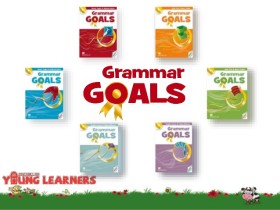
Grammar Goals is a new six-level grammar series for children aged 6-12 years. It presents and practises grammar in lively and meaningful age-appropriate contexts that reflect pupils’ real lives and interests. Linked to the Cambridge and Trinity external exam syllabuses, Grammar Goals offers regular exam-style practice tasks in the Pupil’s Books.

The visually appealing nature of the course ensures that grammar is presented in a child-friendly format that keeps pupils actively involved in learning the language form, function and meaning. The careful staging of the units provides three levels of challenge and success – bronze, silver and gold – helping students reflect on their progress and aim for higher goals.

Key features:

  • Clearly contextualised language makes grammar pratice meaningful.
  • Interactive grammar boxes break down form and clarify use.
  • Carefully graded activities build confidence and accuracy.
  • Cross-curricular topics link grammar to everyday life and teach pupils about the world around them.
  • Activities develop young learner competences, such as thinking and interpersonal skills.  –
  • A separate writing syllabus teaches key skills and strategies.
  • Exam-style activities practise task types from the Cambridge English: Young Learners English tests.
  • Step-by-step lesson notes with extra, mixed-ability and extension activities provide extra teacher support.

GRAMMAR GOALS

Authors:

Nicole Taylor and Michael Watts and Julie Tice and Dave Tucker and Angela Llanasand Libby Williams

Source :  www.macmillanyounglearners.com

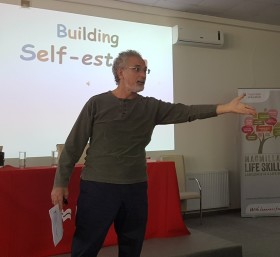
Macmillan Education Training 2017

cover photo

კომპანია „ინგლისური წიგნი საქართველოში“ და Macmillan Educationსაქართველოს განათლებისა და მეცნიერების სამინისტროსთან თანამშრომლობით მართავს ტრენინგს ინგლისური ენის მასწავლებლებისთვის, რომელიც ჩატარდება 2017 წლის 6-10 თებერვალს თბილისსა და საქართველოს სხვადასხვა რეგიონში:

  • ბათუმი-6 თებერვალი, 14:00 საათი. ბათუმის შოთა რუსთაველის  სახელმწიფო უნივერსიტეტი
  • ქუთაისი-7 თებერვალი, 12:00 საათი. ქუთაისის N1 საჯარო სკოლა,ცისფერყანწელთაქ.N6
  • თბილისი-8/9 თებერვალი, 14:00 საათი. დიდი დიღომი, მე-3 მ/რ, ნესტან-დარეჯანის N2
  • თელავი-10 თებერვალი, 12:00 საათი. თელავის იაკობ გოგებაშვილის სახელმწიფო უნივერსიტეტი

ტრენინგი შედგება ორი სესიისგან:

  • Reading, Listening and Life Skills
  • Speaking, Writing and Life Skills

სესიებს გაუძღვება Macmillan Education-ის ტრენერი და სახელმძღვანელოების –

Open Mind, Laser, Destination ავტორი, Steve Taylore-Knowles.

რეგისტრაციისთვის დაგვიკავშირდით:

ტელ: 0322001244

მობ: 599 31 32 89

Email: englishbookteam@englishbook.ge