Tag Archives: ELT

Tiger Time – English time is Tiger Time!

TT_banner


Welcome to Tiger Time!

Tiger Time is a vibrant, six-level primary course based around different settings and characters which grow and change with the students, reflecting their evolving interests and needs.

Units contain humorous stories told through different genres, which use everyday language as well as catchy songs, chants and raps at the lower levels. Within each unit lessons are carefully structured focusing first on vocabulary, grammar and skills, and building to CLIL, culture and projects, allowing children to practise and consolidate their learning throughout the unit. Each unit ends with a review, encouraging active communication.

Written with classroom management in mind, activities are practical and well-staged. The accompanying Presentation Kit and Teacher’s Resource Centre help teachers create dynamic lessons, which cater to diverse classroom situations. The Student’s Resource Centre provides a home-school connection offering extra activities and support.

Components for students:

  • Student’s Book
  • Activity Book
  • Student’s Resource Centre
  • Student’s eBook

Components for teachers:

  • Teacher’s Book
  • Flashcards
  • Teacher’s Resource Centre
  • Presentation Kit
  • Class Audio CDs
  • Student’s eBook

Authors

Carol Read and Mark Ormerod

Source : www.macmillanenglish.com

Grammar Goals – Go for Gold!

SBCOVERSrgb72DPI_2

Welcome to Grammar Goals

Grammar Goals is a new six-level grammar series for children aged 6-12 years. It presents and practises grammar in lively and meaningful age-appropriate contexts that reflect pupils’ real lives and interests. Linked to the Cambridge and Trinity external exam syllabuses, Grammar Goals offers regular exam-style practice tasks in the Pupil’s Books.

The visually appealing nature of the course ensures that grammar is presented in a child-friendly format that keeps pupils actively involved in learning the language form, function and meaning. The careful staging of the units provides three levels of challenge and success – bronze, silver and gold – helping students reflect on their progress and aim for higher goals.

Key features:

  • Clearly contextualised language makes grammar pratice meaningful.
  • Interactive grammar boxes break down form and clarify use.
  • Carefully graded activities build confidence and accuracy.
  • Cross-curricular topics link grammar to everyday life and teach pupils about the world around them.
  • Activities develop young learner competences, such as thinking and interpersonal skills.  –
  • A separate writing syllabus teaches key skills and strategies.
  • Exam-style activities practise task types from the Cambridge English: Young Learners English tests.
  • Step-by-step lesson notes with extra, mixed-ability and extension activities provide extra teacher support.

GRAMMAR GOALS

Authors:

Nicole Taylor and Michael Watts and Julie Tice and Dave Tucker and Angela Llanasand Libby Williams

Source :  www.macmillanyounglearners.com

Welcome to Gateway 2nd Edition

gateway-2nd-edition-1-638


About

Learning for life

If you don’t know Gateway already, this secondary course by teacher and author David Spencer is designed to lead teenage students to success in both international and school leaving exams. Each unit offers plenty of exam style activities and preparation tasks as well as Exam success tips.  The course is designed to prepare students for further study and future employment.

Gateway 2nd Edition retains many of the features that made Gateway so popular.
The approach to grammar and vocabulary and the development of the four skills is carefully staged and are both teacher- and student-friendly.

Gateway 2nd Edition also has several exciting new features!

The Flipped classroom videos bring grammar points from the Student’s Book to life and help teachers find more time in lessons and add variety to their teaching. The videos are short grammar presentations that are linked to one of each unit’s Grammar guides. Students can watch the presentation at home and complete tasks in the Online Workbook or printable worksheets on the Resource Centre. The videos are a flexible teaching tool and can also be used for revision, when students miss a class, or with the whole class in lesson-time, for variety.

At the heart of each unit there’s a special Life skills section preparing teenagers for varied aspects of life.  Each Life skills area has its own tailor-made video featuring British teenagers, demonstrating the topic and ends with students performing a Life Task; an activity that has direct relevance to the students’ lives outside the classroom.

Gateway 2nd Edition provides material which helps to develop other areas of knowledge, as well as English language skills. It offers brand-new, up-to-date texts to motivate teachers and their students. Reading texts include Critical thinking questions to get students reflecting on what they’ve just read and personalise the topic of the text.


Find out more

Source : www.macmillangateway2.com

Macmillan Education Training 2017

cover photo

კომპანია „ინგლისური წიგნი საქართველოში“ და Macmillan Educationსაქართველოს განათლებისა და მეცნიერების სამინისტროსთან თანამშრომლობით მართავს ტრენინგს ინგლისური ენის მასწავლებლებისთვის, რომელიც ჩატარდება 2017 წლის 6-10 თებერვალს თბილისსა და საქართველოს სხვადასხვა რეგიონში:

  • ბათუმი-6 თებერვალი, 14:00 საათი. ბათუმის შოთა რუსთაველის  სახელმწიფო უნივერსიტეტი
  • ქუთაისი-7 თებერვალი, 12:00 საათი. ქუთაისის N1 საჯარო სკოლა,ცისფერყანწელთაქ.N6
  • თბილისი-8/9 თებერვალი, 14:00 საათი. დიდი დიღომი, მე-3 მ/რ, ნესტან-დარეჯანის N2
  • თელავი-10 თებერვალი, 12:00 საათი. თელავის იაკობ გოგებაშვილის სახელმწიფო უნივერსიტეტი

ტრენინგი შედგება ორი სესიისგან:

  • Reading, Listening and Life Skills
  • Speaking, Writing and Life Skills

სესიებს გაუძღვება Macmillan Education-ის ტრენერი და სახელმძღვანელოების –

Open Mind, Laser, Destination ავტორი, Steve Taylore-Knowles.

რეგისტრაციისთვის დაგვიკავშირდით:

ტელ: 0322001244

მობ: 599 31 32 89

Email: englishbookteam@englishbook.ge

Speakout

6a00d83452d45869e20147e14e7b73970b

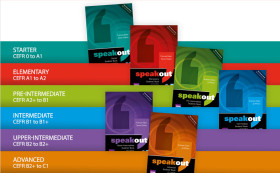
Speakout – The real world in your classroom!

The award-winning course that invites you and your students to discover English as it is really spoken. Speakout builds up all the skills and knowledge students need to express themselves confidently in a real English-speaking environment.
Lessons cover all four skill areas as well as grammar and vocabulary. Each unit ends with a DVD lesson based around an extract from a BBC programme which provides a springboard for meaningful speaking and writing tasks.

Models of authentic English are also provided through ‘on the street’ interviews filmed by the BBC. MyEnglishLab is a flexible online tool that enriches learning, informs teaching and enhances your Speakout course ,Enriched Learning MyEnglishLab has a wide range of activities that are instantly graded and correlated to your Speakout course,Informed Teaching MyEnglishLab for Speakout gives teachers instant access to a range of invaluable diagnostic tools ,Flexible Solutions You can assign tasks to the whole class, groups of students, or individual students to help them reach their goals more effectively.

ActiveBook is the Students’ book in digital format with integrated audio and video from the course and includes: Easy navigation of the Students’ Book pages with zoom facility ,Video and audio available at the touch of a button Video Podcasts with accompanying worksheets,BBC programme clips that can be played in a DVD player or computer.

Authors : Frances Eales, JJ Wilson, Antonia Clare, Steve Oakes.

Read More http://product.pearsonelt.com/speakout1e/#speakout

Source : www.pearsonelt.com

Open Mind

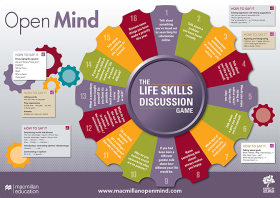
Open-Mind-life-skills-discussion-wheel-poster-image

Open Mind opens doors

Open Mind allows teachers and students to enjoy the best combination of digital and print material. This flexible new course combines language development with the crucial skills students need to be effective and adaptable for work and study.
Open Mind is a ground-breaking adult course that provides learners with the professional, academic and personal skills they need. Not only are language skills developed in the course, but also the important 21st-century skills that students need in order to have a better awareness of self and society, to handle the demands of their study and learning and to deal with challenges in their work and career.

The course offers a flexible combination of materials to ensure that students are learning from a variety of sources: content-rich reading texts, speaking and writing workshops, high-quality video, self-study Online Workbooks, and projectable Student’s Books. The series now comes with new Digital Student’s Books, optimised for tablets, for a smart and versatile learning environment.

Authors

Mickey Rogers and Joanne Taylore-Knowles and Steve Taylore-Knowles and Ingrid Wisniewska and Dorothy Zemach

Read More
: www.macmillanopenmind.com/about

Source : www.macmillanenglish.com

4 Ideas to Kickstart Your Summer Learning

kickstart-summer-learning-01

To keep our students sharp over the summer, we often assign subject-specific reading, math drills, and projects. However, as educators, we also need to hone our own skills, develop new ideas, and reflect on our practice. Here are five ways to kickstart your summer learning.


1. Construct Your Learning Archive

When planning curriculum or attending professional development, we collect resources — both physical and digital. However, we need an efficient way to organize what we find valuable. In the past, this has resulted in the accumulation of binders or folders, but now we also have files scattered across devices.

Take time this summer to create a learning archive. A great digital system supports the individual learner and can be saved, searched, or shared. Whether you choose EvernoteOneNote, or Google Drive, think about how you can start organizing all of your learning and making it accessible from any device and at any time. If you prefer handwritten notes on paper, make sure to pick a tool that allows you to easily take pictures of those notes, add them to your archive, and search them later.

In addition to collecting notes, think about how you might archive online resources. You could add links and notes to a Google Doc or an Evernote note, or build a shareable library using Diigo or Pinterest.

Not only is summer a great time to get organized for the coming school year, but it’s also a fantastic time to explore.


2. Read for Inspiration

Though many schools assign summer reading books to their faculties, we would recommend adding one of these titles to your list:

500 Activities for the Primary Classroom by Carol Read

Children Learning English by Jayne Moon

Learning Teaching: A Guidebook for English Language Teachers by Jim Scrivener

Teaching Practice by Roger Gower, Diane Phillips and Steve Walters

Teaching English Grammar by Jim Scrivener

3. Design Your Digital Space

If you already have or want to set up a class website or blog, an email newsletter for parents, or a learning management system take time over the summer to design and test your digital space.


4. Redesign Your Physical Space

Your current students have become comfortable in your classroom, office, or lab. They understand your expectations and routine. Fast-forward to fall. What do you want your students to think when they enter your space? Is this a class where they’ll engage in group work and discussion? Do they have choice in how they demonstrate their learning? What do you have on the walls? Where is your desk? All of these considerations help set the tone for your students.

Sometimes Misbehavior Is Not What It Seems

curwin-misbehavior-is-not-whta-it-seems-01

By Dr. Richard Curwin, Director, Graduate program in behavior disorder, David Yellin College

When Sigmund Freud reportedly said, “Sometimes a cigar is just a cigar,” the key word was “sometimes,” because sometimes a cigar is more than a cigar. So it is with understanding misbehavior. Sometimes the reason for misbehavior is very different than the obvious and requires a totally different intervention than the usual consequences. It is never easy to determine why children do the things they do.

The following are examples of seeing misbehavior from a new perspective. In each of these cases, diagnosis is very difficult — as are the remedies. For chronic misbehaving students, pay close attention to their home situations, the type of misbehavior, when it occurs, and whether they behave differently with other adults. Be advised that the best responses to these situations sound easier than they are to put into practice.

1. Sometimes students misbehave because they like you too much.

Some students have experienced so much pain that they build a wall between themselves and everyone else. For those familiar with the Simon and Garfunkel song, it’s the “I Am A Rock” syndrome:

And a rock feels no pain
And an island never cries.

The closer to you get to children like this, the greater their fear of getting hurt. As this fear intensifies, the more they try to push you away. The more the child pushes you away, the more you think that he either dislikes or disrespects you. When feeling disrespected or disliked, many teachers try to develop a closer relationship. While this strategy works for most students, it only frightens students like these into more dramatic methods of pushing you away.

2. Sometimes students want you to prove yourself.

Some students have been promised that things would be better only to have things get worse. Children shuffled through the foster care system are likely to feel this way. The same is true for students who have had teachers that overly encouraged success and rewarded them for minor behavioral achievements, only to give up on them later. Sometimes children of divorced parents feel cheated and abandoned by one parent or the other. Before they can trust you, they continue pushing you, harder and harder, to see if you will give up on them, too.

The best approach for both of these two situations is the same. No matter what they do, believe in them, even if their behavior is serious or severe. Say things like, “What you just did is unacceptable in our classroom, but no matter what you do, I’m still on your side. I will never give up or stop believing in you.” There are two big dangers in this approach:

  1. You must really mean it. As Neil Postman once said, “Kids have built-in crap detectors.” You can’t fake believing in them. You really must feel that way.
  2. If you do give up, you will be added to their list of adults who abandoned them. That will make it even harder for someone else to reach them. If you make a commitment, you must keep it. Do not give up.

3. Sometimes students are physically attracted to you.

Many teachers, especially those who look to be about the same age as their students, have trouble when students develop crushes on them. When students are attracted to their teacher, their goal becomes interaction. Obviously, they can’t engage on a more romantic level (although some occasionally try), so they connect through the only other way that’s open to them.

Younger children are sometimes attracted to their teachers in a different way, although with the same result. They see their teachers as mommies or daddies. I guess many of you who teach very young children have been called “Mommy” by mistake.

The solution, which many younger teachers have told me they object to, is to dress as professionally and unprovocatively as possible — no jeans or anything that makes them seem as equals to students. Use a modest amount of makeup. Men do better with students who develop crushes by wearing a tie or at least a sport coat. Be friendly, but not as friends. Draw strong professional limits. Do not feed their fantasies.

4. Sometimes students need to be noticed.

Rollo May, in Love and Will, made a simple but profound statement when he said that attention for something bad is better than no attention at all. This theory explains, at least partially, some of the school violence by students in recent years. No one wants to feel anonymous or unseen. For these students, misbehavior is like raising a flag that says, “Notice me, I matter.” Students like these often feel unnoticed at home, among other students, and by most of their teachers.

These students can be helped by greeting them at the door before class, calling on them more frequently, asking them to help perform academic tasks, like solving a problem on the whiteboard, or generally making sure they feel appreciated. Learn their names, say hello in the corridors, and occasionally seek them out on the playground or in the lunchroom for a brief conversation.

In all four of the situations above, certain sensitivities can be very helpful. Whether you’re making positive or negative comments about behavior and academic performance, make those comments in private. Never publicly draw attention with comments such as, “I like the way that Allen is sitting.” Never write their names on the whiteboard for any reason. Never discuss their situations with any other students or other parents. When talking with these students’ parents, never blame either the children or parents. Be more stubborn than these chronically misbehaving students and never give up on them.


Fresh Starts for Hard-to-Like Students

teach

By Dr. Allen Mendler: Author, speaker, educator

Even though your toughest students are just kids at the mercy of emotions they don’t understand or can’t control, it can be hard for a teacher to stay calm and not take these ongoing behavioral problems personally. My advice: it’s time to hit the reset button!

Tough kids are usually covering a ton of hurt. They defend against feeling pain by erecting walls of protection through rejection. Efforts to penetrate those walls by caring adults are generally met with stronger resistance expressed through emotional withdrawal and/or offensive language, gestures, and actions. Like a crying baby unable to articulate the source of its discomfort, these kids desperately need patient, determined, and affectionate adults with thick skin who refuse to take offensive behavior personally. Here are some ways to connect or reconnect with students who make themselves hard to like.


1. Express gratitude to your difficult students.

At a seminar that I gave at a school in Houston, one of the teachers talked about the turn-around in a boy from her class the year before who had been driving her crazy. She was determined to “love him even more” as her primary intervention. She initiated an “I need a hug” ritual by telling him that since she had no son at home to hug, she needed a “little boy hug” every day to get her day started in a happy way. She asked him to take the job, and every day, “little boy hugger” performed his function. Although challenges remained, mostly due to this child’s very unpredictable home situation, his classroom behavior showed substantial improvement.

Since hugging isn’t always appropriate, consider this strategy. For two weeks, try expressing something positive every day to each of your difficult students. Hard as it might be, make your first interaction each day something welcoming. For example, when a chronically late and uninterested student arrives, fight the temptation to ignore, tersely request a viable excuse, or hand out a late slip. Instead, make your first comment an expression of appreciation for coming. For example:

Carson, I was hoping you’d show up — and you did. Welcome! By the way, we’re on page 62.

Wait until there is no audience around before you express concern and/or give a consequence for the student’s behavior:

Carson, I am concerned that you continue to fall behind because you’re often missing part or all of class. Here’s your late slip, but much more important to me is knowing how I might help you get here on time. What’s going on?’


2. Use encouraging statements every day.

Words of encouragement get and keep students connected and motivated. Below are a dozen examples. Find an excuse to share at least a few of these every day.

You really hung in there by _______.

That was really cool.

Wow, you pushed yourself today, and it really worked out.

I was so impressed today when you _______.

It was awesome to see you _______.

That took some special effort.

I hope you feel proud about _______, because you should.

Thanks for putting a smile on my face when you _______.

It’s not easy to _______, but you are making it happen.

Your cooperation is really appreciated. Thanks.

That was flat-out good!

Congratulations! (And then be specific about what you are congratulating.)


3. Act toward your worst student the way you act toward your best student.

Who is your best-behaved or most motivated student? When you think about that student, what adjectives come to mind? When you interact, what comments come naturally? When the student makes a mistake, how do you usually react? For one week, try acting toward your worst-behaved or least-motivated student in the same way, and see what happens.

A teacher at an elementary school that I recently visited told me about Ken, a fifth grade student who had developed a bad reputation but was making an effort to turn things around. Transitions were especially difficult. Knowing there was going to be a substitute teacher the next day, Ms. Silver told Ken, “Tomorrow a sub is going to be here. I expect responsible behavior, and there’ll be consequences if I hear otherwise.” The sub reported that Ken was awful. When Ms. Silver returned, she told him that she was stuck between a rock and a hard place because, although she was proud of his overall progress, she was very disappointed with his recent behavior. When she asked him what he thought would be a fair consequence he said, “If I was a good kid in this school, what would you do?” She said that she would probably ask the student to explain what happened, why it happened, and what he thought a good consequence would be. Ken looked her straight in the eye and said, “Well, then that is what you should do to me.”


4. Send the parents a “positive postcard.”

Prepare an email or note home that briefly describes positive behavior or an achievement that you’ve recently observed. Show it to the student before sending it. If you haven’t seen positive behavior that you can genuinely acknowledge, write a positive note or email as if a behavior you are seeking has already happened. Show it to the student. Ask him or her to tell you when it would be a good time to send it.


[button color=”blue” size=”small” link=”http://www.edutopia.org/blog/fresh-starts-hard-to-like-students-allen-mendler” target=”blank” ]Source[/button]