Tag Archives: Interesting Fact

Did you know…

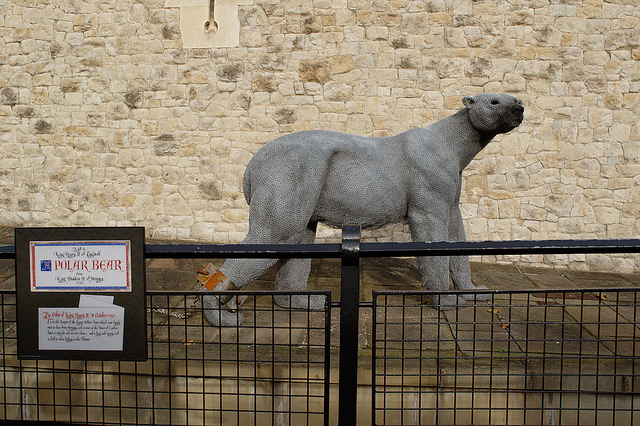
henryIIIpolarbear

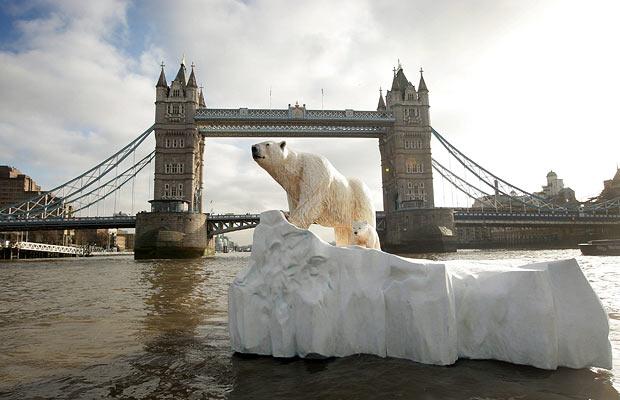
In 1251, Henry III was given a polar bear by the King of Norway. He kept it in the Tower of London, on a long chain so that it could swim and wash itself in the Thames River.

For more information about what went on in the Tower of London check out:

[button color=”blue” size=”small” link=”http://www.dailymail.co.uk/news/article-1313816/The-polar-bear-lived-Tower–grumpy-lion-baboon-threw-cannon-balls-Britains-bizarre-zoo.html” target=”blank” ]Animals in the Tower[/button]

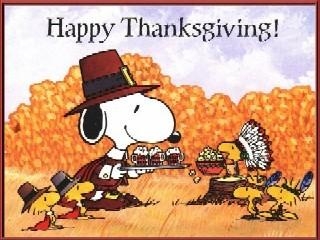
12 Fun Facts about the American holiday, Thanksgiving

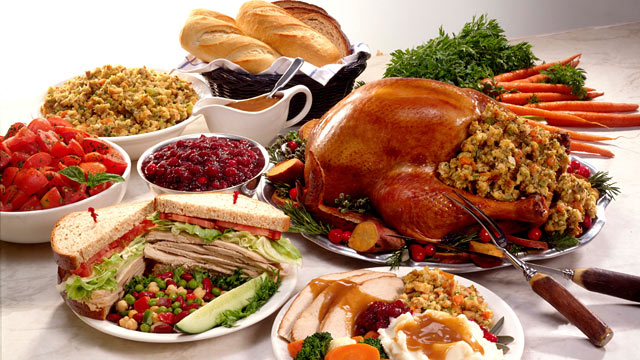
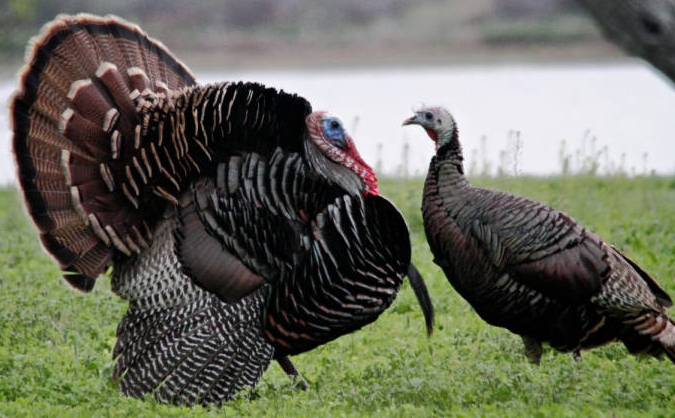
 On the fourth Thursday in November, families across the U.S. gather to feast on turkey. Below are some facts about this American holiday.

The first Thanksgiving was held in the autumn of 1621 and included 50 Pilgrims and 90 Wampanoag Indians and lasted three days. Many historians believe that only five women were present at that first Thanksgiving, as many women settlers didn’t survive that difficult first year in the U.S.

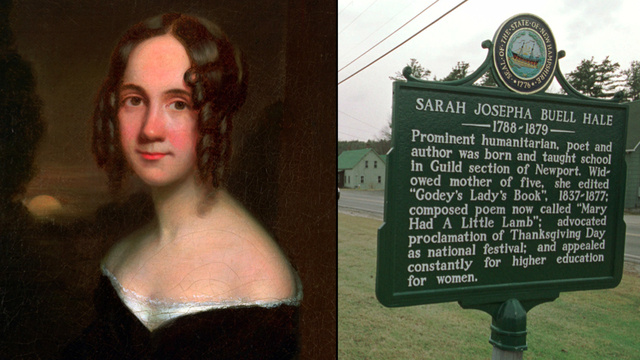
Thanksgiving didn’t become a national holiday until over 200 years later! Sarah Josepha Hale, the woman who actually wrote the classic song “Mary Had a Little Lamb,” convinced President Lincoln in 1863 to make Thanksgiving a national holiday, after writing letters for 17 years campaigning for this to happen.

No turkey was on the menu at the first Thanksgiving: Historians say that no turkey was served at the first Thanksgiving! What was on the menu? Deer, ducks, geese, oysters, lobster, eel and fish. They probably ate pumpkins, but no pumpkin pies. They also didn’t eat mashed potatoes or cranberry relish, but they probably ate cranberries.

No forks were at the first Thanksgiving! The first Thanksgiving was eaten with spoons and knives — but no forks! That’s right, forks weren’t even introduced to the Pilgrims until 10 years later and weren’t a popular utensil until the 18th century.

Why is Thanksgiving the fourth Thursday in November? President Abe Lincoln said Thanksgiving would be the fourth Thursday in November, but in 1939 President Roosevelt moved it up a week hoping it would help the shopping season during the Depression era. It never caught on and it was changed back two years later.

Benjamin Franklin wanted the turkey to be the national bird, not the eagle.

Americans eat 46 million turkeys each Thanksgiving.

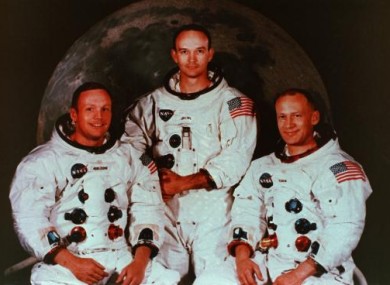
Neil Armstrong and Buzz Aldrin’s first meal in space after walking on the moon was foil bags with roasted turkey.

The heaviest turkey on record, according to the Guinness Book of Records, weighs 39 kilograms (86 pounds).

Californians consume the most turkey in the U.S. on Thanksgiving Day!

Female turkeys (called hens) do not gobble. Only male turkeys gobble.

The average turkey for Thanksgiving weighs 6.8 kilograms (15 pounds).

7 Animal Myths and Facts

Students-7animalmyths-giraffe

Animals do some pretty strange things. Giraffes clean their eyes and ears with their tongues. Snakes see through their eyelids. Some snails can hibernate for three years. But other weird animal tales are hogwash. National Geographic Kids finds out how some of these myths started—and why they’re not true.

Myth

Ostriches bury their heads in the sand when they’re scared or threatened.

How It Started

It’s an optical illusion! Ostriches are the largest living birds, but their heads are pretty small. “If you see them picking at the ground from a distance, it may look like their heads are buried in the ground,” says Glinda Cunningham of the American Ostrich Association.

Why It’s Not True

Ostriches don’t bury their heads in the sand—they wouldn’t be able to breathe! But they do dig holes in the dirt to use as nests for their eggs. Several times a day, a bird puts her head in the hole and turns the eggs. So it really does look like the birds are burying their heads in the sand!

Myth

Opossums hang by their tails.

How It Started

Opossums use their tails to grasp branches as they climb trees. So it’s not surprising that people believe they also hang from branches.

Why It’s Not True

A baby opossum can hang from its tail for a few seconds, but an adult is too heavy. Besides, says Paula Arms of the National Opossum Society, that wouldn’t help them survive. “Why would they just hang around? That skill isn’t useful—there’s no point.”

Myth

Touching a frog or toad will give you warts.

How It Started

Many frogs and toads have bumps on their skin that look like warts. Some people think the bumps are contagious.

Why It’s Not True

“Warts are caused by a human virus, not frogs or toads,” says dermatologist Jerry Litt. But the wartlike bumps behind a toad’s ears can be dangerous. These parotoid glands contain a nasty poison that irritates the mouths of some predators and often the skin of humans. So toads may not cause warts, but they can cause other nasties. It’s best not to handle these critters—warts and all!

Myth

Mother birds will reject their babies if they’ve been touched by humans.

How It Started

Well-meaning humans who find a chick on the ground may want to return the baby bird to the nest. But the bird is probably learning to fly and shouldn’t be disturbed. The tale may have been invented to keep people from handling young birds.

Why It’s Not True

“Most birds have a poorly developed sense of smell,” says Michael Mace, bird curator at San Diego Zoo’s Wild Animal Park. “They won’t notice a human scent.” One exception: vultures, who sniff out dead animals for dinner. But you wouldn’t want to mess with a vulture anyway!

Myth

Penguins fall backward when they look up at airplanes.

How It Started

Legend has it that British pilots buzzing around islands off South America saw penguins toppling over like dominoes when the birds looked skyward.

Why It’s Not True

An experiment testing the story found that penguins are perfectly capable of maintaining their footing, even if they’re watching airplanes. “But the reality isn’t funny,” says John Shears, who worked on the survey. “Low-flying aircraft can cause penguins to panic and leave their nests.”

Myth

Bats are blind.

How It Started

Often associated with darkness, witches and black magic, bats have a lot of mythology and are very misunderstood, making them seem like scary creatures of the night. Because of this, people often think bats are blind due to their hunting only at night.

Why It’s Not True

The fact is that all species of bats can see, although their vision is very poor. Instead, they have excellent senses of smell and hearing, and are able to use echo-location and sonar abilities to navigate and hunt at night. Their sonar abilities are so exceptional that they’re often better than military sonar, which is amazing for such small animals.

Myth

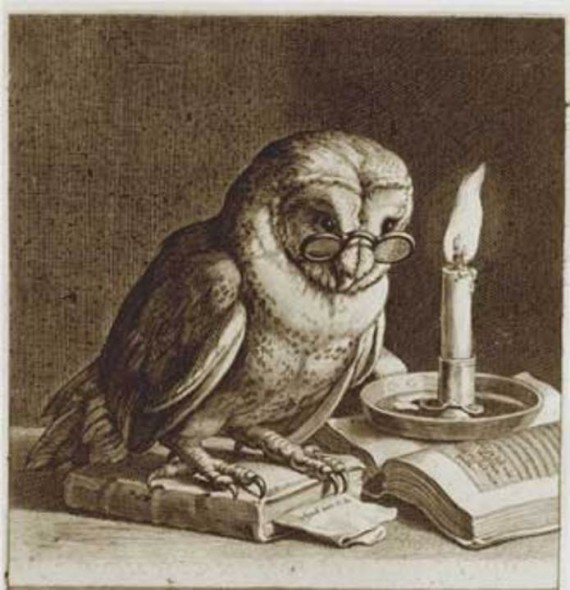
Owls are the wisest among birds.

How It Started

Perhaps the earliest known link between owls and wisdom is their association with Athena, as the Greek goddess of wisdom is often depicted holding an owl. With their overly large eyes and the constant serious, almost thoughtful look on their faces, owls give off the impression of wisdom, of being a cut above the rest. From legends, folklore, children’s tales to Hollywood, owls have always been the night watchmen – sometimes sinister, always smart.

Why It’s Not True

Unfortunately owls are actually placed on the lower-end of intelligent birds, with the common crow considered the wisest among birds.


[button color=”blue” size=”small” link=”http://kids.nationalgeographic.com/explore/nature/animal-myths-busted/” target=”blank” ]Source[/button] [button color=”blue” size=”small” link=”http://www.toptenz.net/top-10-facts-about-animals-that-are-totally-wrong.php” target=”blank” ]Source[/button]
On this day…

LincolnGivingGettysburgAddress

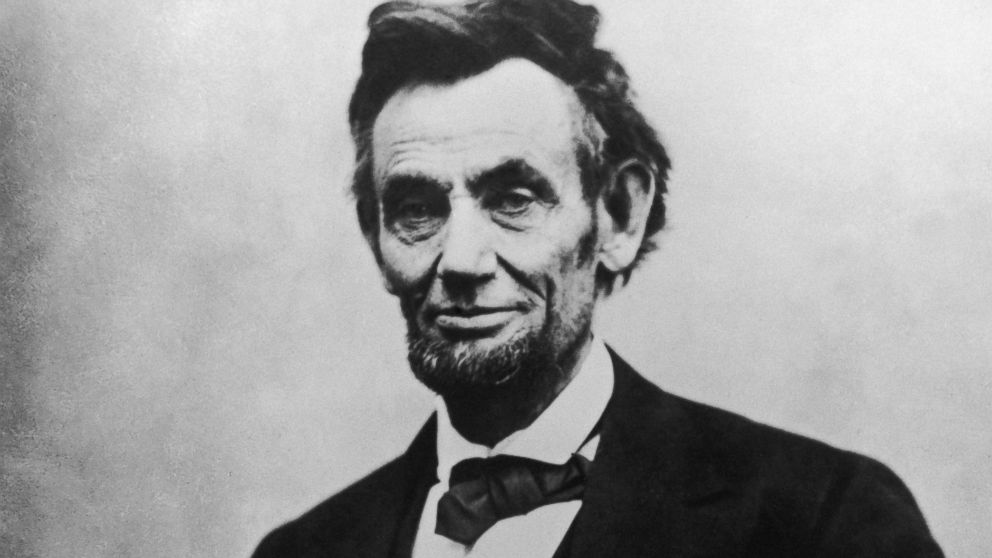
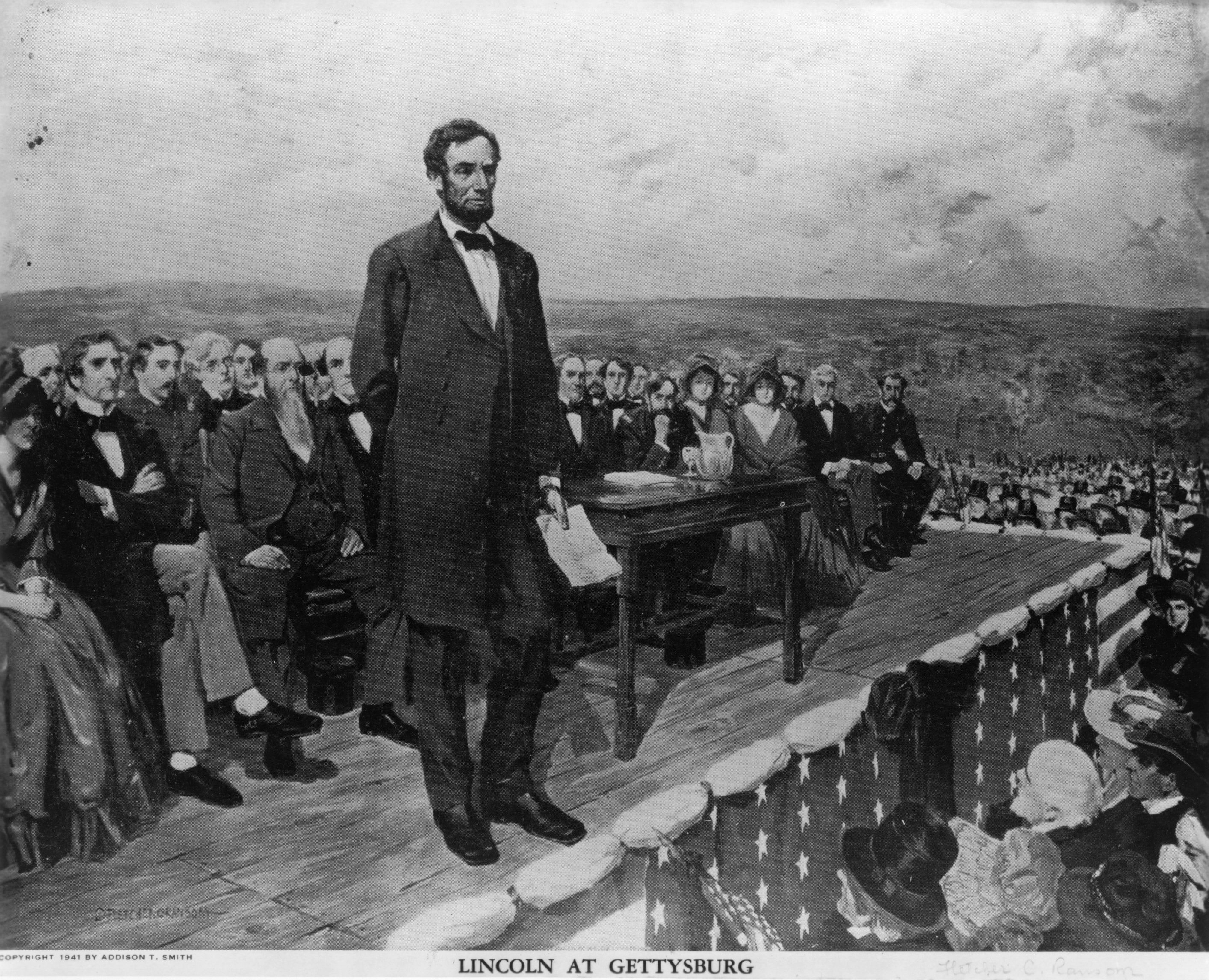
On November 19, 1863, Abraham Lincoln delivered the Gettysburg Address at the dedication of a military cemetery at Gettysburg, Pennsylvania, during the American Civil War. In just 272 words, Lincoln brilliantly and movingly delivered one of the most memorable speeches in American history, reminding a war-weary public why the Union had to fight, and win, the Civil War.

The Battle of Gettysburg, fought some four months earlier, was the single bloodiest battle of the Civil War. Over the course of three days, more than 45,000 men were killed, injured, captured or went missing.  The battle also proved to be the turning point of the war: General Robert E. Lee’s defeat and retreat from Gettysburg marked the last Confederate invasion of Northern territory and the beginning of the Southern army’s ultimate decline.

Reception of Lincoln’s Gettysburg Address was initially mixed, divided strictly along partisan lines. Nevertheless, the “little speech,” as he later called it, is thought by many today to be the most eloquent articulation of the democratic vision ever written.

Four score and seven years ago our fathers brought forth on this continent a new nation, conceived in liberty, and dedicated to the proposition that all men are created equal.

Now we are engaged in a great civil war, testing whether that nation, or any nation so conceived and so dedicated, can long endure. We are met on a great battlefield of that war. We have come to dedicate a portion of that field, as a final resting place for those who here gave their lives that that nation might live. It is altogether fitting and proper that we should do this.

But, in a larger sense, we can not dedicate, we can not consecrate, we can not hallow this ground. The brave men, living and dead, who struggled here, have consecrated it, far above our poor power to add or detract. The world will little note, nor long remember what we say here, but it can never forget what they did here. It is for us the living, rather, to be dedicated here to the unfinished work which they who fought here have thus far so nobly advanced. It is rather for us to be here dedicated to the great task remaining before us—that from these honored dead we take increased devotion to that cause for which they gave the last full measure of devotion—that we here highly resolve that these dead shall not have died in vain—that this nation, under God, shall have a new birth of freedom—and that government of the people, by the people, for the people, shall not perish from the earth.”


[button color=”blue” size=”small” link=”http://www.history.com/topics/american-civil-war/gettysburg-address” target=”blank” ]Source[/button]

Interesting Words and Expressions – Floccinaucinihilipilification

Floccinaucinihilipilification

What does floccinaucinihilipilification mean?

It is an uncountable noun that is often used humorously. It is the act or habit of describing or regarding something as unimportant, of having no value or being worthless.

How do you pronounce it?

/flɒksɪˌnɔːsɪˌnɪhɪlɪˌpɪlɪfɪˈkeɪʃ(ə)n/

or

[flok-suh-naw-suh-nahy-hil-uh-pil-uh-fi-key-shuh n]

Where does it come from?

A jocular coinage, apparently by pupils at Eton College in England, combining a number of roughly synonymous Latin stems. The word was inspired by a line in the Eton Latin Grammar Book.

It is a rare word and is also an example of the longest word in the English language. The word is used chiefly as a curiosity.

How do you use it?

For example, “There’s a little bit of floccinaucinihilipilification going on here.”

Kickboxing Kangaroos Take Over Street in Australia and Interesting Kangaroo Facts

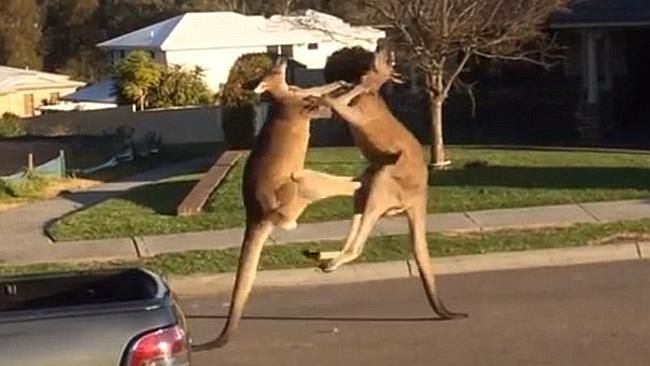
Two large kangaroos were filmed brutally battling it out in the suburbs of New South Wales, in a bouncy brawl lasting more than five minutes.

The incredible clip, filmed on the Central Coast, shows the two animals throwing vicious punches and using their long tails for support as they repeatedly kick each other.

The fight begins in the street, beside a parked car, but winds onto front lawns and into home driveways.

Who won? You be the judge.

Facts About the Kangaroo

  • There are four different kangaroo species: the red kangaroo, eastern grey kangaroo, western grey kangaroo and antilopine kangaroo.
  • Kangaroos can’t walk backwards.
  • Kangaroos can jump very high, sometimes three times their own height.
  • Kangaroos can hop around quickly on two legs or walk around slowly on all four.
  • A group of kangaroos is called a ‘mob’, ‘troop’ or ‘court’.
  • Male kangaroos are called ‘boomers’, ‘bucks’ or ‘jacks’; females are ‘does’, ‘flyers’, or ‘jills’, and the young ones are ‘joeys’.
  • Kangaroos usually live to around six years old in the wild.
  • Their diet is mainly different grasses and can survive long periods without water.
  • Male kangaroos usually fight over female kangaroos.
  • Kangaroos are intensely territorial. There can be only one alpha male (boss) in a mob, and younger bucks will certainly fight for their chance to rise to the top of the mob. Male kangaroos will also fight newcomers to the mob.
  • They fight by standing on their rear legs and attacking with their front legs. A kangaroo can also balance its body on its powerful tail and strike out with its strong rear legs, the claws of which are deadly sharp.

Interesting Facts about Agatha Christie

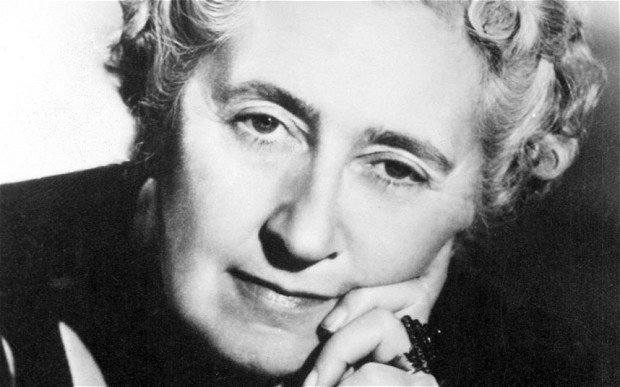
Agatha-Christie   Learn some interesting facts about the world’s best-selling mystery writer.

  • Dame Agatha Christie is in the Guinness Book of World Records as the World’s Bestselling Author. With between 2 and 4 billion works sold, she is bested only by William Shakespeare and the Bible. Christie is also the most translated novelist in history.
  • Agatha Christie’s play The Mousetrap has the longest theatrical run, according to the Guinness Book of World Records. It opened at the Ambassadors Theatre in London on November 25, 1952. It continues to this day.
  • At one point in her successful career, Mrs. Christie actually owned eight different houses. Many of these houses were “used” as the houses in several of her novels.
  • Charles Dickens was Agatha’s favorite author.
  • Christie wrote her first detective story after being challenged by one of her older sisters.
  • Six publishers rejected her first manuscript before it was eventually published in 1920. She eventually received £25 for it.
  • During WWII, she worked in a hospital pharmacy. She there began acquiring a knowledge of poisons that would serve her novels well.

Enjoy a video with some interesting facts about her most famous character, Hercule Poirot in the video below.

Interesting Facts About Roald Dahl

roald dahl2

A world without Roald Dahl would be a world without Oompa Loompas, Snozzcumbers, or Muggle-Wumps. And who would ever want to live in a world like that?

Below are interesting facts about the famous children’s author.

  • Dahl was a fighter pilot with the Royal Air Force during World War II. And it was a plane crash near Alexandria, Egypt that actually inspired him to begin writing.
  • Alongside fellow officers Ian Fleming and David Ogilvy, Dahl provided intelligence to an MI6 organization known as the British Security Coordination.
  • Roald Dahl wrote many of his books in a shed in his garden, sitting upon an old battered armchair. He wrote everyday from 10 am to 12 noon and then from 4 pm to 6pm. No one else was allowed inside.
  • He was friends with the American author, Ernest Hemingway.
  • Roald Dahl wrote seventeen children’s stories, and he also produced many works for adults, as well as children’s poetry and film scripts.
  • He wrote the screenplays for the movies You Only Live Twice (the James Bond film) and Chitty Chitty Bang Bang.
  • He always wrote in pencil on yellow paper.

For more facts about Roald Dahl, watch the video below:

Interesting Facts about Robin Williams

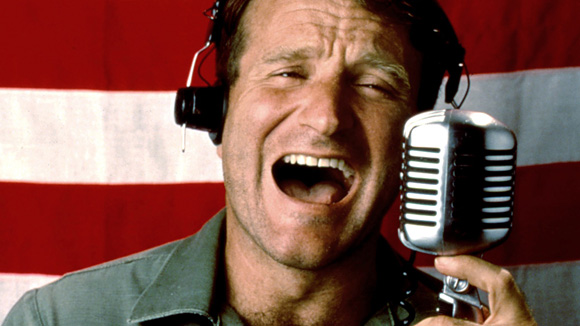
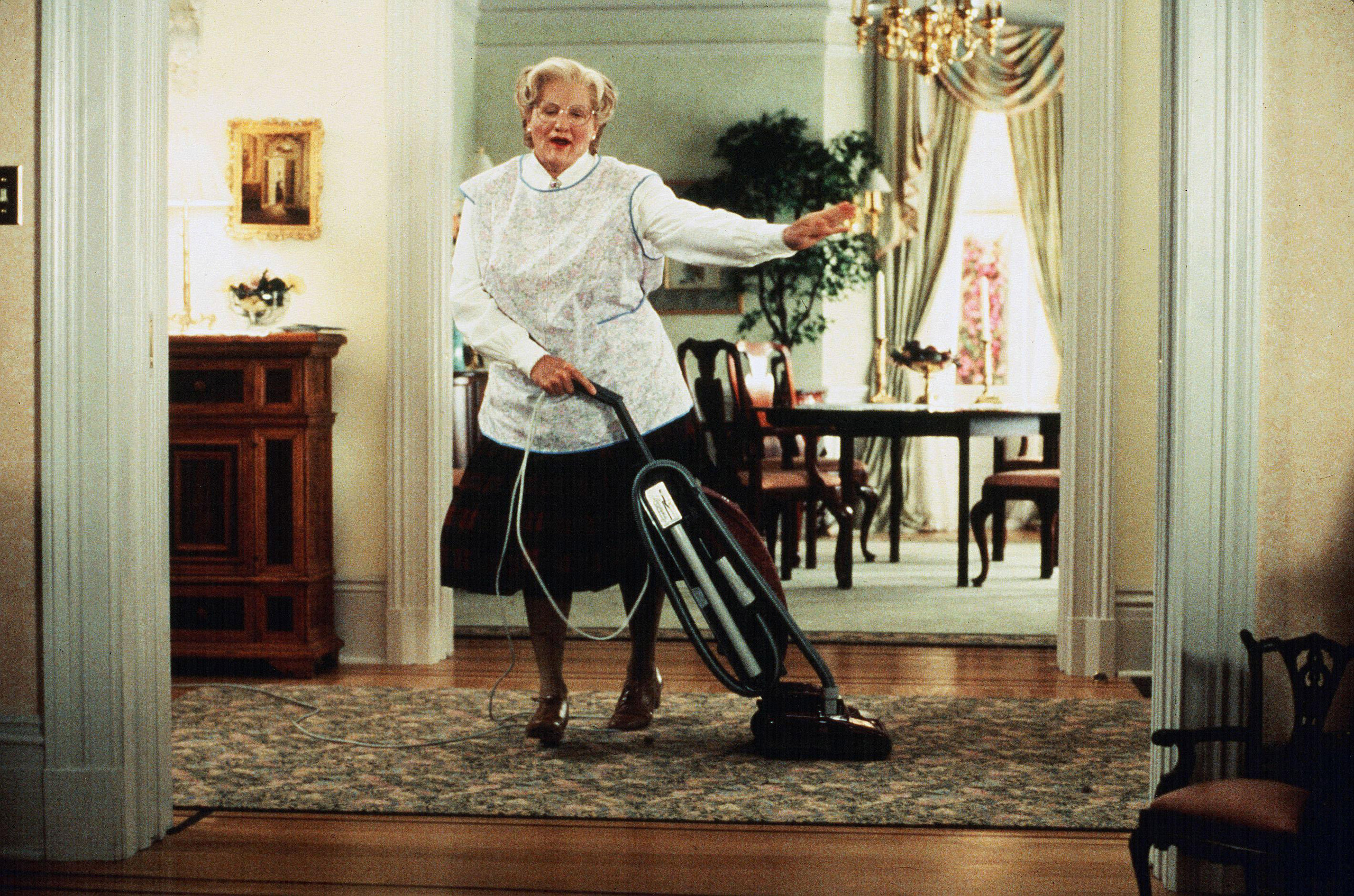
After a nearly 40-year career in Hollywood, Robin Williams was found dead on Monday, August 11 2014 at the age of 63.

vietnam

Here are some interesting facts about his life:

  • Robin Williams studied political science, before enrolling at Juilliard School to study theatre
  • In 1997 he was voted funniest man alive by Entertainment Weekly
  • When he auditioned for the role of Mork from Ork on Happy Days (1974) – his first TV appearance, producer Garry Marshall told him to sit down. Williams immediately sat on his head on the chair. Marshall hired him, saying that he was the only alien who auditioned
  • He was was voted ‘least likely to succeed’ at school
  • Most of his dialogue in Aladdin (1992) was ad-libbed
  • He was frequently called up by Steven Spielberg when he was filming Schindler’s List (1993). He would put him on speaker phone so he could tell jokes to the cast and crew to cheer them up
  • As of 2014, has appeared in three films that were nominated for the Best Picture Oscar: Dead Poets Society (1989), Awakenings (1990) and Good Will Hunting (1997)

Kobal

Click here to see the list of some of his greatest performances. Which one is your favorite?

Source: IMDB