Tag Archives: For Teachers

5 Powerful Questions Teachers Can Ask Students

Many would agree that for inquiry to be alive and well in a classroom that, amongst other things, the teacher needs to be expert at asking strategic questions, and not only asking well-designed ones, but ones that will also lead students to questions of their own.

[box type=”shadow” align=”aligncenter”]

Keeping It Simple

Asking straightforward, simply-worded questions can be just as effective as intricate ones. With that in mind, if you are a new teacher or perhaps not so new but know that question-asking is an area where you’d like to grow, start tomorrow with these five:


1. What do you think?

This question interrupts us from telling too much. There is a place for direct instruction where we give students information yet we need to always strive to balance this with plenty of opportunities for students to make sense of and apply that new information using their schemata and understanding.


2. Why do you think that?

After students share what they think, this follow-up question pushes them to provide reasoning for their thinking.


3. How do you know this?

When this question is asked, students can make connections to their ideas and thoughts with things they’ve experienced, read, and have seen.


4. Can you tell me more?

This question can inspire students to extend their thinking and share further evidence for their ideas.


5. What questions do you still have?

This allows students to offer up questions they have about the information, ideas or the evidence.[/box]

In addition to routinely and relentlessly asking your students questions, be sure to provide time for them to think. What’s best here, three seconds, five, or seven? Depending on their age, the depth of the material, and their comfort level, this think time will vary. Just push yourself to stay silent and wait for those hands to go up.

Also be sure to vary your tone so it genuinely sounds like a question and not a statement. When we say something in a declarative way, it is often with one tone and flat sounding. On the other hand, there is a lilt in our voice when we are inquiring and questioning.

To help student feel more comfortable and confident with answering questions and asking ones of their own, you can use this scaffold: Ask a question, pause, and then invite students to “turn and talk” with a neighbor first before sharing out with the whole group. This allows all to have their voices heard and also gives them a chance to practice their responses before sharing in front of the whole class.

Inspirational Quotes


Deprecated: preg_match_all(): Passing null to parameter #2 ($subject) of type string is deprecated in /home2/englita2/public_html/blogebg/wp-includes/media.php on line 1893

Deprecated: str_contains(): Passing null to parameter #1 ($haystack) of type string is deprecated in /home2/englita2/public_html/blogebg/wp-includes/shortcodes.php on line 150

Deprecated: preg_split(): Passing null to parameter #2 ($subject) of type string is deprecated in /home2/englita2/public_html/blogebg/wp-includes/formatting.php on line 3492

Unique Learning’s December Stage Production Schedule

This week Unique Learning’s students are putting on 3 stage performances for our family, friends and community.

blog cover

Be sure to attend these free performances and support our students and their learning of English!


The Schedule:

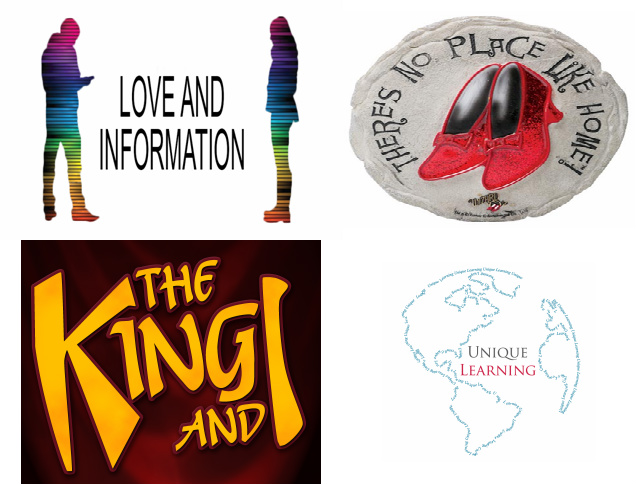
On Monday, the 22nd of December 2014, 33 of our students will be performing in a play called Love and Information by Caryl Churchill.

One of the many points made by this exhilarating theatrical kaleidoscope is that we live in a world where information bombardment is in danger of leading to atrophy of memory, erosion of privacy and decay of feeling.

[box type=”shadow” align=”alignleft” ]Love and Information
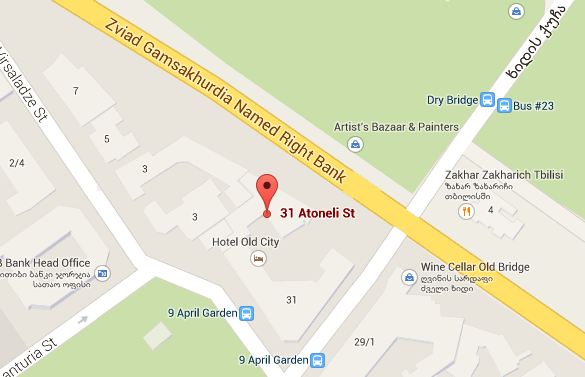
Place: Atoneli Theatre
Address: Tbilisi, Atoneli, 31
When: 22nd December 2014
Time: 20:00 (8pm)[/box]


On Wednesday, the 24th of December 2014, 19 of our students will be performing the much beloved classic The Wizard of Oz by  L. Frank Baum.

Dorothy Gale is swept away to a magical land in a tornado and embarks on a quest to see the Wizard who can help her return home.

[box type=”shadow” align=”alignleft” ]The Wizard of Oz
Place: Atoneli Theatre
Address: Tbilisi, Atoneli, 31
When: 24th December 2014
Time: 20:00 (8pm)[/box]


On Friday, the 26th of December 2014, 29 of our students will be performng in the Rodgers and Hammerstein tale The King and I.

Based on the 1944 novel Anna and the King of Siam, and the plot relates the experiences of Anna, a British schoolteacher hired as part of the King’s drive to modernize his country. The relationship between the King and Anna is marked by conflict through much of the piece, as well as by a love that neither can admit.

[box type=”shadow” align=”alignleft” ]The King and I
Place: Atoneli Theatre
Address: Tbilisi, Atoneli, 31
When: 26th December 2014
Time: 20:00 (8pm)[/box]


theatre map


New Year Webquest

This New Year webquest by Gabrielle Jones includes activities designed to inform students about the history of New Year celebrations and the traditions which are practised today in a variety of cultures.

teacher-webquest


Note: The teacher’s notes for this webquest can be found at the bottom of the page by clicking the button marked “Teacher’s Notes”. We have also included a link to a student-facing page which does not have any links to the answers. You’ll find it by clicking the button marked “Student’s Page” at the bottom of this page. We suggest that you send students the link to the student page to prevent them from finding the answers too easily!


Warmer

New Year is an exciting time and many cultures celebrate it in a special way. This may include special foods and drinks, parties, religious festivals and other traditions. Answer these questions in pairs or small groups:

  1. How is New Year celebrated in your country?
  2. Do you know of any similarities or differences in New Year celebrations in other countries?
  3. How do you and your family celebrate New Year?


Activity 1: The history of New Year celebrations

Visit http://www.history.com/topics/new-years and read the sections titled ‘Early New Year’s Celebrations’ and ‘January 1 becomes New Year’s day’. Look for the answers to these questions:

  1. When were the earliest New Year celebrations and where did they take place?
  2. What name was given to the religious festivity, and where did the name come from?
  3. How long did the original celebration last?
  4. When people began to develop their own calendars, to what events did they tie the beginning of a new year?
  5. What event marked the beginning of the New Year in Egypt?
  6. When was the city of Rome established?
  7. Who included the first two months of the year to the calendar, and what were the names of the first two months?
  8. Who introduced January 1 as the start of the New Year?
  9. What changes did Christian leaders make in the middle ages?
  10. When was January 1 reintroduced as the beginning of the calendar year?

When you’ve finished, discuss what you found out with your partner.

Discussion:

Discuss one other significant festival in your country – do you know how long it has been celebrated, and why it became important?

Activity 2: New Year’s Traditions

Now go to http://www.history.com/topics/new-years and read the final section of the page titled ‘New Year’s Traditions’. Answer the following questions and then compare your answers with your partner.

  1. What do Spanish people eat 12 of at midnight on New Year’s Eve and what do they symbolize?
  2. Which countries eat legumes and what do they represent?
  3. What do pigs represent in some cultures and where is pork eaten?
  4. Which countries eat ring-shaped cakes and why?
  5. What is hidden inside the rice pudding eaten in Sweden and Norway at New Year? What will happen to the person who finds it?
  6. Which people first made New Year’s resolutions?
  7. What did they promise to do?
  8. What’s the most famous symbol of the beginning of the New Year in America?
  9. How long has the event taken place?
  10. What alternative objects are dropped in other American cities?


Activity 3: New Year celebrations around the world

New Year is celebrated on different dates in different places, and often involves very different traditions. In this activity you and a partner will find out all about two countries and their New Year celebrations.

Student 1 – Scottish New Year

Before you look at the weblink, decide whether the following statements are true or false:

  1. ‘Hogmanay’ means the first day of the year.
  2. Scottish people used to celebrate Hogmanay more than Christmas.
  3. Strangers are not allowed inside people’s houses during Hogmanay.
  4. It is considered very unlucky to enter a household without any gifts.
  5. A lump of coal is a traditional gift.

Now visit http://www.scotland.org/features/hogmanay-top-facts/ to check your answers.


Student 2 – Jewish New Year

Before you look at the weblink, decide whether the following statements are true or false:

  1. Jewish New Year is a celebration of the creation of the world.
  2. The celebration lasts a whole week.
  3. Jews believe that God will decide what the next year will be like for someone.
  4. A special song called the ‘Shofar’ is sung in the synagogue.
  5. A round loaf is eaten to symbolize the circle of life.

Now visit http://www.bbc.co.uk/schools/religion/judaism/rosh_hashanah.shtml to check your answers.

Compare your answers with your partner. Then together, copy the table below and fill it in using the information on the websites:


Scottish New Year

Jewish New Year

Name of celebration
Customs
Food eaten

Activity 4: Quiz: International New Year’s Eve customs

Use the following website to access this quiz based on New Year’s Eve customs around the world. In pairs, discuss each question and decide which option you think is correct. When you have finished, you can check your answers on the screen.

http://www.topics-mag.com/internatl/holidays/new-year/quiz/new-years.htm

Post-quiz discussion:

How many of the customs are also practised in your own country?

Activity 5: Round-up task

Imagine that you have friends from another country coming to celebrate New Year with you and your family. In pairs, plan the evening, considering the following points:

  • What kind of food are you going to serve?
  • Which local traditions are you going to show them?
  • Will you visit any special people or places?
  • What are you going to do at midnight?
  • Will you make any resolutions?

When you have finished, compare the plans you have made with another pair.

Optional activity

Make your own list of New Year’s resolutions. Compare your list to your classmates to see if any are similar.


We wish you a happy New Year!

[button color=”red” size=”small” link=”http://www.onestopenglish.com/webquest-new-year-teachers-notes/553260.article” target=”blank” ]Teacher’s Notes[/button]    [button color=”green” size=”small” link=”http://www.onestopenglish.com/webquest-new-year-student-page/553450.article” target=”blank” ]Student’s Page[/button]

[button color=”blue” size=”small” link=”http://www.onestopenglish.com/teenagers/topic-based-materials/webquests/webquest-new-year/553259.article” target=”blank” ]Source[/button]

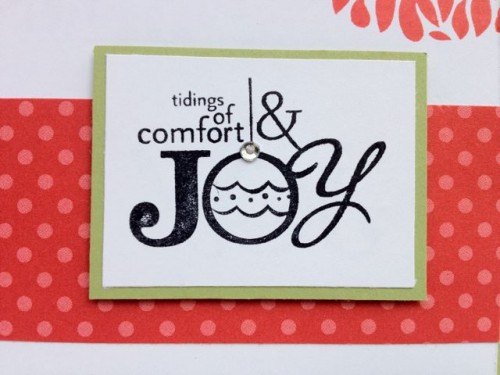
Interesting Words And Expressions – Tidings

tidings

What does tidings mean?

It is an old-fashioned word that simply means news and information. Bidding someone “good tidings” wishes them good, positive news and thoughts. It’s the same if you have “bad tidings,” you bring bad, negative news or thoughts with you. This term is a little unusual since it’s almost always in the plural form; you would never say, “I bring you a good tiding“!

How do you pronounce it?

/ˈtʌɪdɪŋz/

or

[tahy-dingz]

Where does it come from?

In 1069, the Old English pronounced it as tīdung, which is related to the Middle Low German word of tīdinge information. In Old Norse it is tidhendi events.

How do you use it?

The new broadcast brought better tidings about the outlook for public jobs.

I bring you good tidings this Christmas holiday.

On this day…

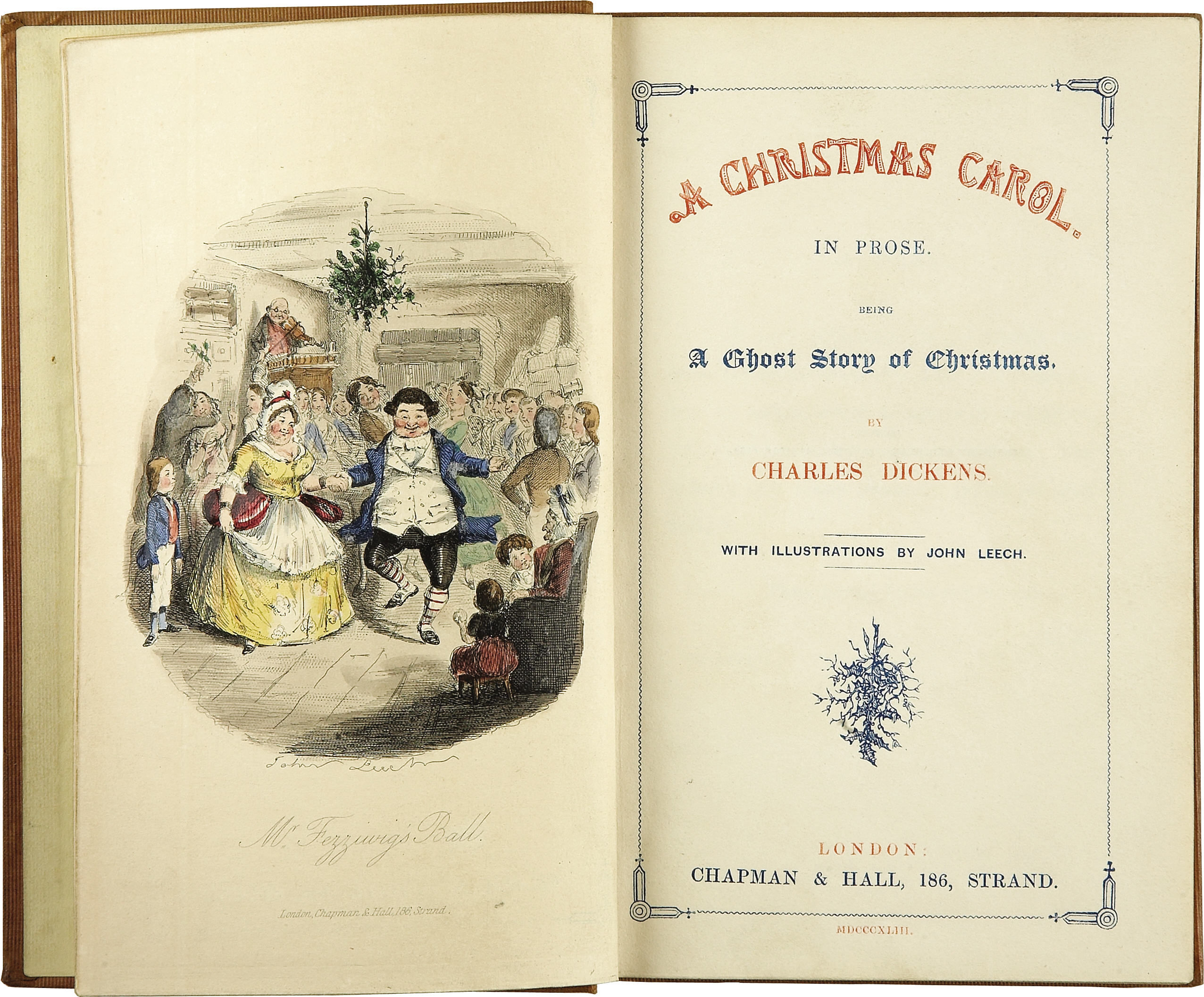
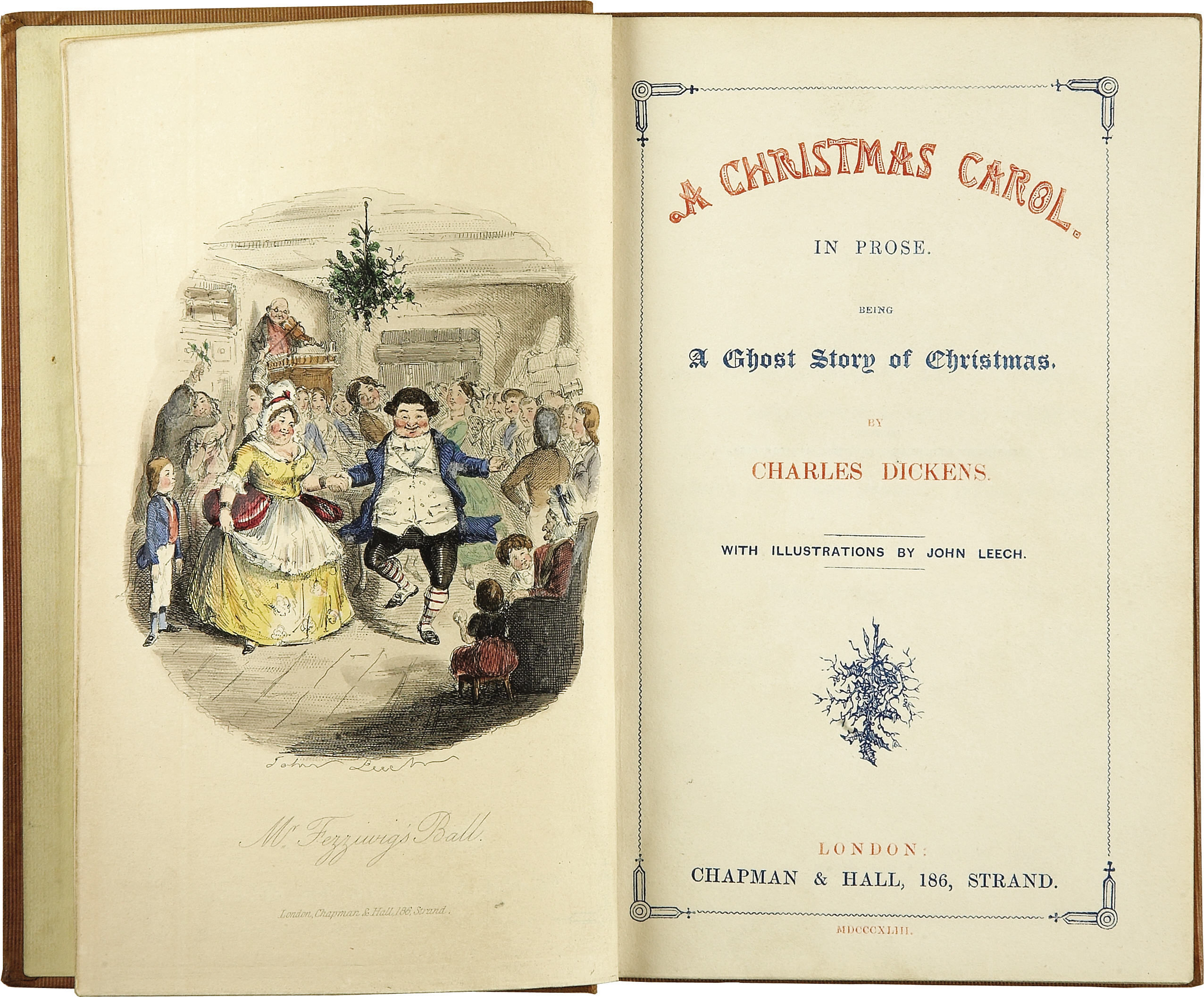
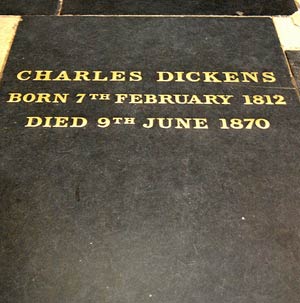
On this day in 1843, Charles Dickens’ classic story A Christmas Carol is published.

Dickens was born in 1812 and attended school in Portsmouth. His father, a clerk in the navy pay office, was thrown into debtors’ prison in 1824, and 12-year-old Charles was sent to work in a factory. The miserable treatment of children and the institution of the debtors’ jail became topics of several of Dickens’ novels.

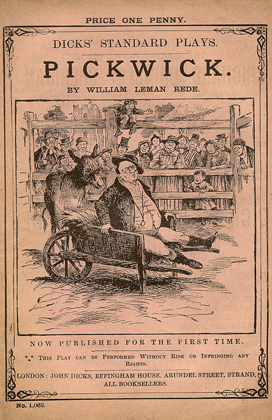
In his late teens, Dickens became a reporter and started publishing humorous short stories when he was 21. In 1836, a collection of his stories, Sketches by Boz, later known as The Posthumous Papers of the Pickwick Club, was published. The same year, he married Catherine Hogarth, with whom he would have nine children. The short sketches in his collection were originally commissioned as captions for humorous drawings by caricature artist Robert Seymour, but Dickens’ whimsical stories about the kindly Samuel Pickwick and his fellow club members soon became popular in their own right. Only 400 copies were printed of the first installment, but by the 15th episode 40,000 copies were printed. When the stories were published in book form in 1837, Dickens quickly became the most popular author of the day.

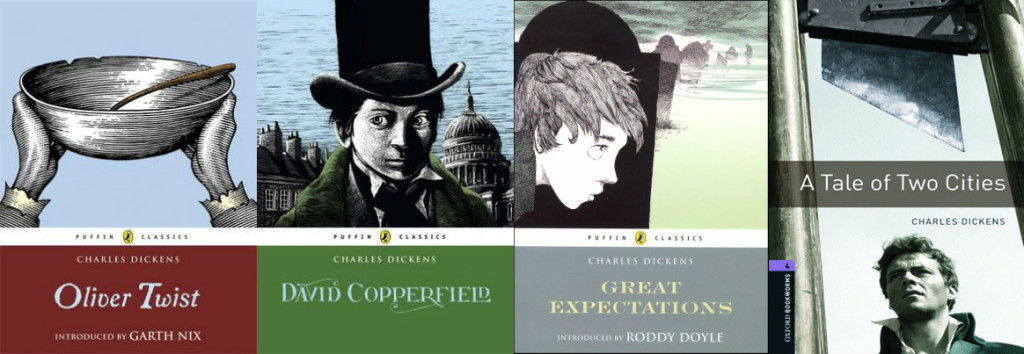
The success of the Pickwick Papers was soon reproduced with Oliver Twist (1838) and Nicholas Nickleby (1839). In 1841, Dickens published two more novels, then spent five months in the United States, where he was welcomed as a literary hero. Dickens never lost momentum as a writer, churning out major novels every year or two, often in serial form. Among his most important works are David Copperfield (1850), Great Expectations (1861), and A Tale of Two Cities (1859).

dickens books

Beginning in 1850, he published his own weekly circular of fiction, poetry, and essays called Household Words. In 1858, Dickens separated from his wife and began a long affair with a young actress. He gave frequent readings, which became immensely popular. He died in 1870 at the age of 58, with his last novel, The Mystery of Edwin Drood, still unfinished.

The Perfect Classroom Gift: A Gift of Words

giftofwords

“A Gift of Words” is a very simple lesson.

Tell your class:

“Okay, class, here’s what I want you to bring to class with you on the last day of school before winter break. I want you to find a poem, a saying, a paragraph you like — something that speaks to you because of its message, its beauty, its format. I want you to copy it onto a piece of paper, put it into a box, wrap it, and bring it to class. Be sure to include, before you wrap it, the name of the author and your name as the giver.”

When the day comes, students will place their packages on the teacher’s desk. They should vary from huge to tiny, from carefully wrapped to hurriedly tossed together. And yes, there will be those who forget, who scribbled “Just do it” on a piece of notebook paper, folded it like a paper football, and added it to the pile. You should provide a few extras, just in case.

How to start:

“Whose birthday is closest to Christmas? Okay, you’re first. Pick any present you want.”

Suspense:

What would she/he get? You won’t be disappointed. The contents will vary — favorites from “Where the Sidewalk Ends” by Shel Silverstein to Bible verses, song lyrics, and short sayings like “Just do it.” The experiment will be a success. Everyone in the class will have a gift and you will have the greatest gift of all-happiness.

Interesting Words And Expressions – Eclectic

Eclectic art

What does eclectic mean?

It is an adjective and a noun and is deriving ideas, style, or taste from a broad and diverse range of sources.

How do you pronounce it?

ɪˈklɛktɪk/

or

[ih-klek-tik]

Eclectic fashion

Where does it come from?

The term comes from the Greek ἐκλεκτικός (eklektikos), literally “choosing the best”, and that from ἐκλεκτός (eklektos), “picked out, select”. Well known eclectics in Greek philosophy were the Stoics Panaetius and Posidonius, and the New Academics Carneades and Philo of Larissa. Among the Romans, Cicero was thoroughly eclectic, as he united the Peripatetic, Stoic, and New Academic doctrines. Other eclectics included Varro and Seneca.

How do you use it?

I want to go to a university that offers an eclectic mix of classes.

I like her eclectic taste in clothes. She’s a mix of hip-hop, bohemian and hipster.