Tag Archives: English Book in Georgia

Using Ball Games to Teach English

Ball games are a great way of practicing all kinds of language with young learners, particularly kids who struggle with more traditional classroom activities. Because they have so many possible uses, ball games are particularly good for revising a load of old language before moving onto presenting the new language point of the day.

Throwing or bouncing balls to drill language

playing-ball-line-drawing-mdThe simplest use of a ball is for students to throw and catch it while drilling something like months of the year or pairs of infinitive and irregular past forms of verbs. This can be done with all three of the ways mentioned in the introduction above – one student on their own, two or more students cooperating, or a more competitive version with more challenging throws or things said to catch the other people out. You could also have one or two people throwing and catching while everyone else chants, perhaps as teams. Other sequences which students can drill include Days of the week, Numbers, Times and Dates, Adjectives and adverbs, I me my mine, you you your yours, etc.

Going beyond drilling with throwing and bouncing balls

Another obvious activity that could be considered one step above drilling is brainstorming as a ball goes back and forth, e.g. “banana”, “apple”, “grape” etc if the topic is fruit. The same thing can be done for grammar by brainstorming things like past participles (“been”, “seen”, “watched” etc) and uncountable nouns. You can also do the same thing for pronunciation, brainstorming words with “iz” ending (“passes”, “churches” etc), words with long vowel sounds (“arch” etc), single syllable words (“fan”, “bar” etc), words stressed on the first syllable (“power”, “waterfall”, etc), and so on.

Target practice games for practicing English

Target practice in the classroom can be played with students aiming balls at the places that the teacher or a student says or writes up on the whiteboard. If you don’t have enough balls for one per student or don’t want lots of things flying around the classroom at the same time, students can use paper (screwed up into balls or made into paper aeroplanes) or one person from each team can throw, with their teammates helping them work out where to do so. To add extra language, you can let students try again if they can describe where their ball actually ended up (“It’s in front of the box” “That’s right. Try to throw it behind the box again then.”). You can also play the opposite game of one person throwing and the other students competing to be first to correctly shout out where the ball has ended up.
ycoagaacE

Ball actions

As well as listening for where the ball has gone, students can listen for what someone is doing with the ball, e.g. “You are bouncing it on the door” and “You are kicking it”. Students can also race to do the action that is shouted out or written up (“Balance the ball on your shoulder”, “Hold the ball between your knees”, etc), challenge each other to do tricky things (“Can you head it four times?” etc), or think of and do actions that no one else has (“We are holding it with our little fingers”). One person or group can also do a whole sequence of actions that the other people must try to remember, as practice of Past Simple and/ or sequencing language (“after that” etc).

TEFL dodge ball

This is kind of the opposite of the throw and catch games at the start of this article. People try to avoid the thrown ball, and if it hits them they have to answer the question, come up with the next word, guess the next missing letter, etc. If they are wrong, they lose a point or are out of the game. If they are right, they can throw the ball next, perhaps also setting the next challenge. If you and the students can stand the chaos, this works best with everyone running around freely, rather than gathered at opposite walls as in the normal rules of dodge ball.

Article written by Alex Case for UsingEnglish.com
Read more
Theme of the Week: Charles Dickens

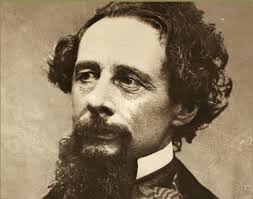
The theme of this week is going to be Charles Dickens, famous English writer, author of short stories, plays, novellas, novels, fiction and non-fiction. During his lifetime Dickens became known the world over for his remarkable characters, his mastery of prose in the telling of their lives, and his depictions of the social classes, morals and values of his times. Some considered him the spokesman for the poor, for he definitely brought much awareness to their plight, the downtrodden and the have-nots.

We will be posting about his books and interesting facts about his life during the week, meanwhile, here is the Oscar winner cartoon of 1971 based on the story by Charles Dickens – “A Christmas Carol”.


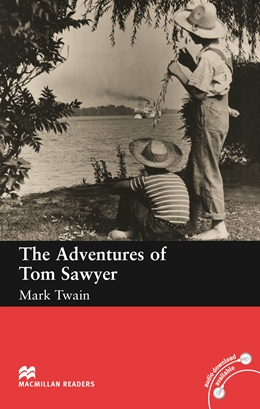
Book of the Week: The Adventures of Tom Sawyer by Mark Twain

tom

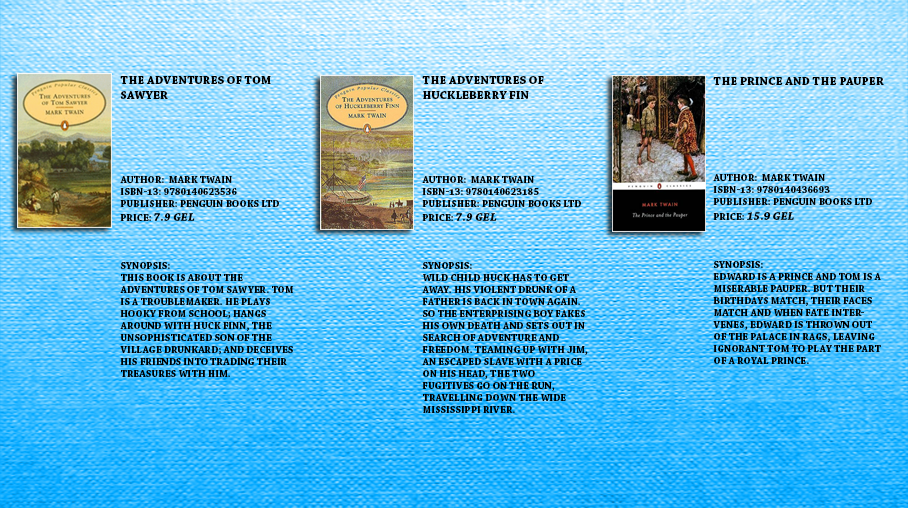
The Adventures of Tom Sawyer by Mark Twain is an 1876 novel about a young boy growing up along the Mississippi River. The story is set in the fictional town of St. Petersburg, inspired by Hannibal, Missouri, where Twain lived. Tom is a troublemaker. He plays hooky from school; hangs around with Huck Finn, the unsophisticated son of the village drunkard; and deceives his friends into trading their treasures with him.

From the famous episodes of the whitewashed fence and the ordeal in the cave to the trial of Injun Joe, The Adventures of Tom Sawyer is redolent of life in the Mississippi River towns in which Twain spent his own youth. A somber undercurrent flows through the high humor and unabashed nostalgia of the novel, however, for beneath the innocence of childhood lie the inequities of adult realitybase emotions and superstitions, murder and revenge, starvation and slavery.

[button color=”blue” size=”small” link=”http://englishbookgeorgia.com/catalogue/shop/macmillan/adventures-of-tom-sawyer/” target=”blank” ]Buy the Book[/button]

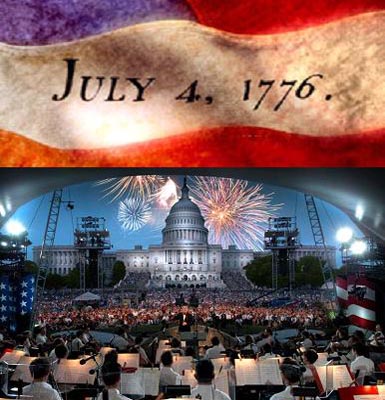
Facts about US Independence Day

4th of July is the day when Americans celebrate their country’s independence.

independence-day-usa-for-kids-2

Here are some fun and interesting facts about this date:

  • The Declaration of Independence began as a letter to King George to explain why the Continental Congress voted to declare independence from Great Britain
  • 56 people signed the Declaration of Independence. Thomas Jefferson wrote the majority of it
  • The Declaration of Independence has five parts. They are: the Preamble, the Statement of Human Rights, Charges Against Human Rights, Charges Against the King and Parliament, and the Statement of Separation and Signatures
  • The Declaration of Independence was started on July 2, 1776 and the Continental Congress approved the final wording on July 4. The American colonies were declared free and independent states
  • July 4 was officially declared a holiday in 1870, nearly one hundred years after the Declaration of Independence was written
  • Both Thomas Jefferson and John Adams, two of its founders of the Declaration of Independence died on July 4, 1826
  • July 4 marks a day of liberation in both the Philippines and Rwanda. In the Southeast Asian nation, July 4, known as “Republic Day,” marks the date when the United States officially recognized the Philippines as an independent state in 1946

Happy Independence Day to everyone who celebrate it today!

National Tom Sawyer Days – 3-5 July, 2014

22759805_BG1The celebrations of National Tom Sawyer Days have started on July 3rd and will last until July 5th in Hannibal, Missouri. National Tom Sawyer Days has had a long and proud history of honoring Hannibal’s most beloved son.

Events inspired by Mark Twain’s works are some delightful highlights of this entertaining festival. From the National Fence Painting Contest to a Frog Jumping Contest to Live Entertainment at Tanyard Gardens, National Tom Sawyer Days is for the young and the young at heart. Visitors from all over the world come to experience the history of Hannibal, through the eyes of Mark Twain.

Here are some interesting facts about Mark Twain:

  • His real name was Samuel Clemens
  • Mark Twain was a pen name he picked up while writing for the Virginia City newspaper, which he first wrote under in 1863
  • He also wrote under Thomas Jefferson Snodgrass, W. Epaminondas Adrastus Blab, Sergeant Fathom, and Rambler during his career
  • Before 13, he nearly drowned 9 documented times

“Twenty years from now, you will be more disappointed by the things that you didn’t do than by the ones you did do. So throw off the bowlines. Sail away from the safe harbor. Catch the trade winds in your sails. Explore. Dream. Discover.”

TwainLarge

English Language Teachers 3 Day Summer Conference – 2014

English Language Teachers Conference
25-28 June, Georgia

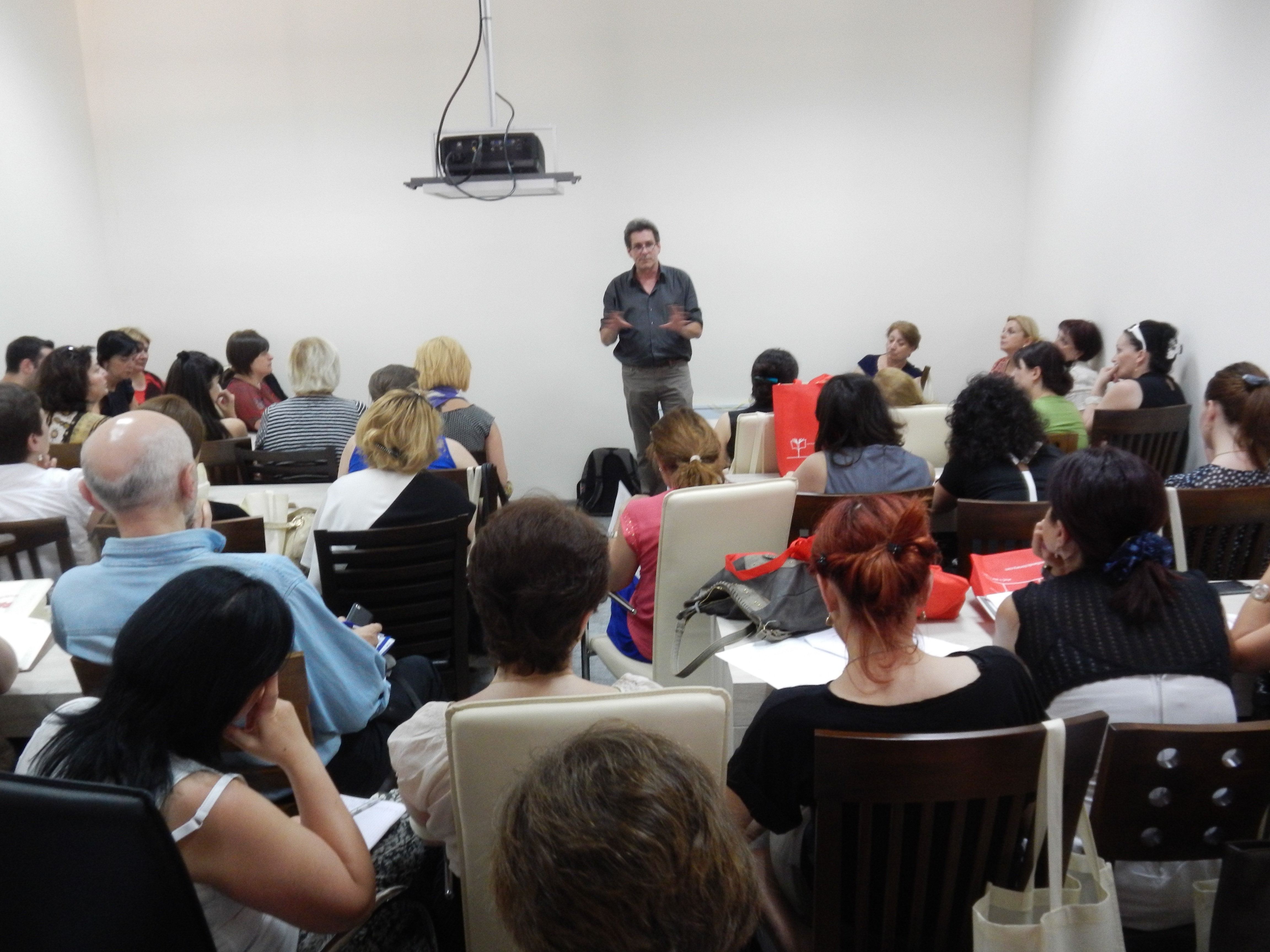
Last week, over 1000 Georgian English language teachers have gathered on a conference held in four cities (Batumi, Kutais, Telavi and Tbilisi) to discuss different topics and share English language teaching practices.DSCN3422

The conference was organized by The English Book in Georgia with the great support of Macmillan. We were honored to have Jim Scrivener (a freelance writer, consultant, teacher, trainer and conference speaker), Maura O’Brien (teacher trainer), Philip Kerr (lecturer, teacher trainer and materials writer), Teresa Doğuelli (teacher trainer) and Nick Goode (Regional Manager, Central Europe for Macmillan Education) as the guest-speakers of the conference.

“It is my honor to attend this conference. We learned about many new methods and activities, very helpful to reach our goals, the goals of National Curriculum. We will bring these methods to our students and will involve them in the activities. This all will help the students learn to speak English more freely”, says one of the participants Ms.MakaBerishvili, Rustavi PS N14.

NatiaJokhEnglish Book in Georgia is amazed by the motivation, interest, commitment and dedication the participants have showed during those four days. The representative of the Ministry of Education and Science of Georgia, Ms. Natia Jokhadze has also mentioned this during her speech, saying that the number of attendants in Tbilisi was significantly bigger than any other similar events organized before. She thanked the participants, in the name of Ministry of Education and Science of Georgia, for their commitment and dedication.

The participants were engaged and actively involved in the discussions. As one of the teachers, Ms. Ana Panchulidze, IB Mtiebi, mentioned, “what we can learn from this conference, is the new approach to teaching processes and this is why, it is essential that this kind of events are organized often. On this conference we have the chance to meet world’s leading experts in the field”

??????????

The conference consisted of two parts – each speaker lead one plenary session and there were several workshops offered, running simultaneously in two sessions for smaller groups. This way each participant had a chance to attend two different workshops of their choice. The workshops covered different interesting topics, such as Classroom Management, Vocabulary Practices, Emotional Intelligence, Teamwork as well as Student Engagement.

“As a company, MacMillan Education what we try and do is to focus on the learners and focus on the teachers. And one way of increasing thelevel of English in any given situation, whether it is a particular classroom or if you think about a country like Georgia, isthat to educate the teachers as much as possible. Because by educating teachers it means that they can spread the techniques through to their students and therefore, students can have a better understanding of English and increase their level of English. And conferences like this are a great way to gather as many teachers together at one place as possible and that has many different benefits.”, says Nick Goode, Regional Manager (Central Europe for Macmillan Education). 

DSCN3608

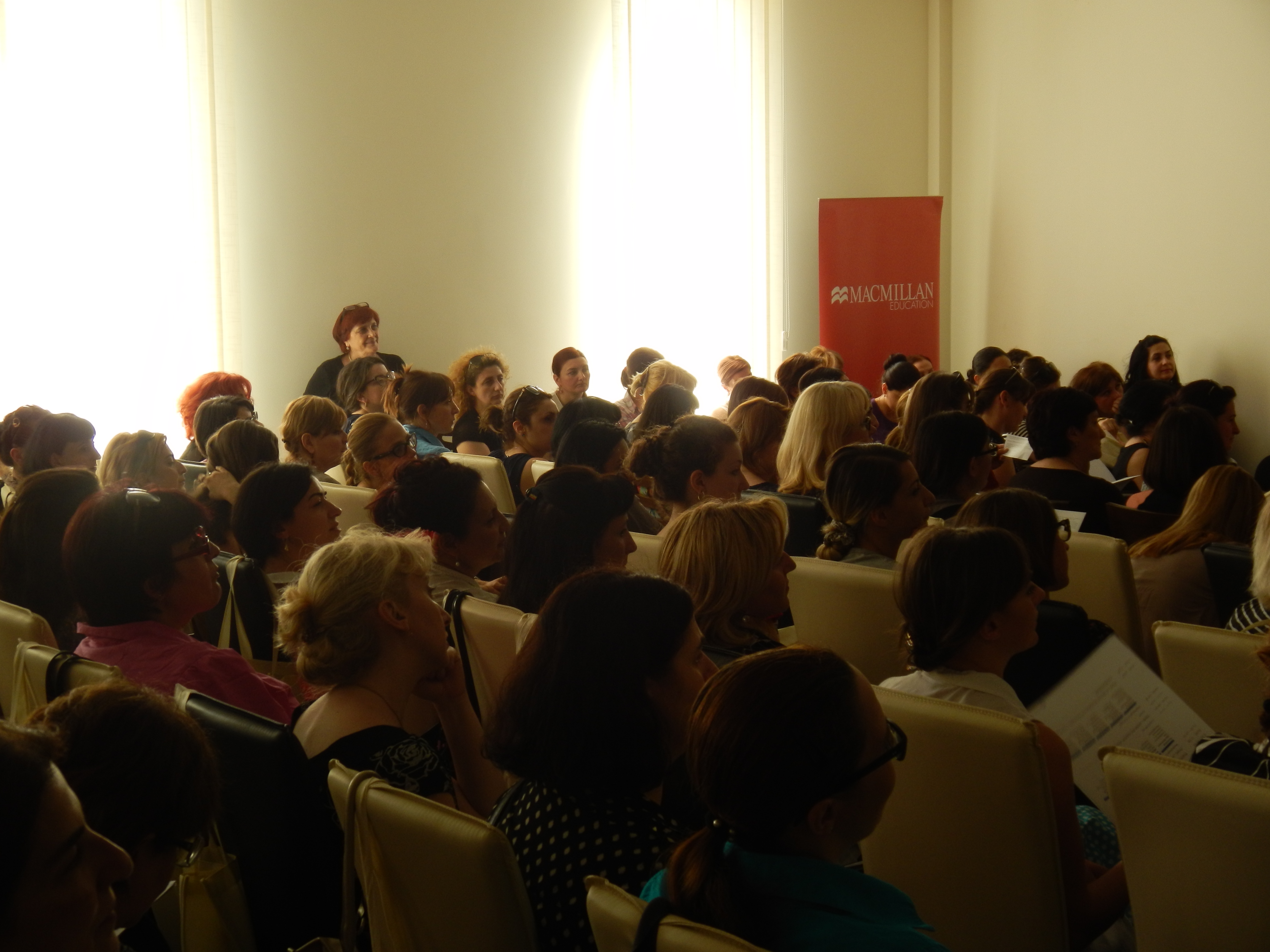
This was one of the biggest English Language Teachers Conferences organized in Georgia having over 1, 000 participants, both public and partner private school teachers.

1The conference in Tbilisi took place in the new office of English Book in Georgia. Right now, the room used for the conference is empty and ready for other interesting events. Our new office andour staff members are all set and ready for newchallenges, new events and new ways to stand by the teachers and overall, stand by the Education System in Georgia. We can only show our admiration to the teachers and again thank them for their interest, motivation and dedication and look forward to future opportunities of cooperation!

bolos

Which Book Would You Like to Read?

White-Book-Cover

[button color=”green” size=”small” link=”http://englishbookgeorgia.com/catalogue/shop/macmillan/adventures-of-tom-sawyer/” target=”blank” ]Buy Tom Sawyer[/button]                 [button color=”blue” size=”small” link=”http://englishbookgeorgia.com/catalogue/shop/macmillan/the-adventures-of-huckleberry-finn/” target=”blank” ]Buy Huckleberry Finn[/button]         [button color=”gray” size=”small” link=”http://englishbookgeorgia.com/catalogue/shop/classics/the-prince-and-the-pauper/” target=”blank” ]Buy The Prince and the Pauper[/button]

3 Communication Fundamentals You Should Know

If you want to be effective at interpersonal communication in areas like managing conflict, negotiating, managing performance and coaching, here are three fundamentals – a theory and a two related skills – you really ought to know and be good at. The theory is attribution theory. And the skills are active listening and delivering feedback.

pmo-fact-find

The Theory

The theory is called attribution theory. It is about how we explain why other people do what they do. According to the theory, there either are external causes – e.g. the dog ate the homework – or internal causes, something about the individual or the group to which the individual belongs – e.g. he doesn’t get his work done because he’s lazy.

The truth is we often don’t know why someone does something. You should be aware of this theory because the best way to blow up a negotiation or a coaching session or almost any interaction with someone is to impute a negative motivation to something that person has done. Being wrong about it only makes the situation worse.

The Skills

Now that you know what attribution theory is, you know exactly what not to do when delivering feedback or when you are engaged in active listening: do not make attributions. Do not tell someone what he or she is thinking, feeling, or intending. Instead, pay attention to what the individual is saying and doing.

Feedback
The purpose of feedback is to give the feedback recipient information about his or her behavior that he or she can use to decide whether to continue that behavior or to change it in some way. When delivering feedback, instead of beginning with the impact of someone’s behavior and assuming the individual knows exactly what you’re talking about, begin by describing what that person did using specific behavioral language and then identify the impact of the behavior.

The point about language is important because the same behavior can impact different people in different ways. For example, behavior that some would call aggressive might look confident or arrogant to other people. That’s why it’s important to be specific about what the individual is doing. Please note that the words aggressive, confident and arrogant do not describe specific behavior. They describe someone’s interpretation of someone else’s behavior. They are attributions.

Active Listening
Most people think of active listening as going “uh huh” every now and then and paraphrasing. These are techniques intended to encourage the other person and to let them know you’re listening. The techniques work best if they support the actual goal of active listening, which is listening to understand.

Here’s how to become an active listener: Do not assume that your interpretations are their intentions. Do not use attributions. Paraphrase when the other person says something that appears important and then, if it seems appropriate, add on a response or a clarifying question. For example, “As I understand it now, your perspective on this topic is… Mine is different. I view the situation this way…” That gives the other person the opportunity to clarify your understanding of their position and to hear your view.
As with feedback, active listening is useful in most interactions with other people whether those interactions are personal or business related. And both skills are essential for things like negotiating, managing conflict, coaching and managing performance. They are not the only skills you’ll need, but without them, you will be much less effective. That’s why they are among the fundamentals of interpersonal communication.

Source: CEO.COM

Classroom Resources: Fun Practice for Comparative Adjectives

The topic of comparatives like “bigger”, “further” and “more fun” is covered in the majority of lower level textbooks. However, as it is one of the grammar topics that students have most difficulty converting from textbook knowledge into fluent and accurate speech, more controlled spoken practice is always welcome – and by simply introducing connected adverbs like “far…” and “a bit…” it can also be useful in higher level classes.

Describing with comparatives guessing games
One of the simplest games for this grammar point is for one person to describe an object using comparatives until someone guesses what it is, e.g. “It is the biggest thing here, but it is shorter than a giraffe. It isn’t as heavy as a whale” for “elephant”. Wrong guesses should be replied to with another clue comparing the real object with that wrong guess, e.g. “No, this thing isn’t a snake. It isn’t as scary as a snake.”
The objects described can be ones in the room, on a worksheet or on the board – or students can think of their own ideas. Instead of shouting out the name of the thing to guess, students could slap the relevant flashcard, run and touch the relevant classroom object, etc.

Guess the comparison
This game is in New English File 1 photocopiable materials. A student reads out a comparison with the adjective missing and the other students must try to guess the missing bit, e.g. “more informal” from “(Mobile phone) texts are usually __________ than emails”. You could allow one point for other adjectives that are true, but to win or get the maximum number of points students must guess exactly the adjective that is in the original sentence. As with this example, this game can be used as a way of showing the differences between easily confused words. It can also be used to present cultural differences. After the examples on the worksheets, students can make their own gapped sentences to test other groups.

Guess the comparison hint by hint
This is a slight variation on the game above. Students give more and more example sentences with the same missing comparative until someone who is listening works out what the missing word is. Each hint should be linked to the last one. For example, they could start with “The projector is probably the most lalala thing in this room”, then “A car is even more hmmmhmmmm than the projector” etc until their partner guesses that the missing words are “expensive”. The game then continues with different adjectives.

Perfect picture dictation
A Picture Dictation is a task in which one student describes something that the other student can’t see (e.g. something on their worksheet) for the person listening to draw. In one variation, the person speaking is allowed to see what the other student is drawing or has drawn and to tell them what changes are needed with language like “The nose should be longer” and “The glasses should be more rounded”.

Warmer/ cooler numbers
Students are asked to guess a number, e.g. the population of a country or the height of something in the classroom, and are given hints like “No, it’s much shorter” and “Nearly, but it’s a little heavier” until they get exactly the right number. As the comparatives are in the hints rather than the guesses, students should then ask similar questions (from their own knowledge, their research or a worksheet) to test each other in the same way.

Comparative forms race
The teacher or a student shouts out one adjective and students race to shout out the correct comparative form, getting one point for a correct answer but minus five for a wrong guess. This works best with regular comparative adjectives they haven’t seen the comparative forms of before, plus maybe a few ones that don’t match the most common rules such as “more fun”. You could also let them use their dictionaries (racing to be first to find the correct answer) if none of them are confident enough to use their own knowledge or guess.

More activities can be found here

Theme of the Week: The Adventures of Tom Sawyer

Good Morning!!!

As you can remember, we dedicated last week to George Orwell. And now it’s time to announce the theme of this week. Here’s the hint:

“TOM!”
No answer.
“TOM!”
No answer.
“What’s gone with that boy, I wonder? You TOM!”
No answer.

AprilFool_TomSawyerYes, many of you most probably can recall these words. It’s the book that was and continues to be a part of the childhood of many people around the world – The Adventures of Tom Sawyer by Mark Twain.

The reason we decided to dedicate this week to this wonderful book was the yearly celebrations to be held in USA on July 4th – National Tom Sawyer Days. National Tom Sawyer Days is a yearly event on 4 July, organized in Hannibal, Missouri in the United States – the hometown of Mark Twain.

Stay with us for other interesting content, connected to Tom Sawyer and Mark Twain. We wish you a wonderful and adventurous week!

Your EBG Team