Tag Archives: School

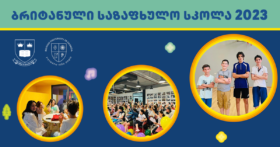
ბრიტანული საზაფხულო სკოლა 2023

The King’s and Queen’s club- ი British University in Georgia- ს მხარდაჭერით აცახდებს მიღებას 2023 წლის ბრიტანულ საზაფხულო სკოლაში.

რატომ საზაფხულო სკოლა?

წელს ჩვენი საზაფხულო სკოლა ორიენტირებულია გლობალური უნარ-ჩვევების განვითარებაზე.


ორი კვირის განმავლობაში ჩვენი უცხოელი და ქართველი მასწავლებლები
იზრუნებენ მოსწავლეების პროფესიულ და პიროვნულ ზრდაზე. დაეხმარებიან მათ შემოქმედებითი და ანალიტიკური უნარების აღმოჩენაში. მონაწილეები ჩართულები იქნებიან როგორც შემეცნებით და ინტელექტუალურ თამაშებში, ასევე, სპორტულ და მუსიკალურ აქტივობაში.


რადგან სკოლის ბოლო რამდენიმე წელი ყველაზე მნიშვნელოვანი პერიოდია
მოსწავლეებისთვის უნივერისტეტისთვის მოსამზადებლად ასევე, სამომავლო
კარიერული გეგმებისთვის, წელს ჩვენი საზაფხულო სკოლის პროგრამა მთლიანად მორგებულია იმ მოსწავლეებზე, რომლებიც ჯერ კიდევ გადაწყვეტილების მიღების პროცესში არიან.


თუ გსურთ მიიღოთ დაუვიწყარი გამოცდილება- გაატაროთ ზაფხული ყველაზე პროდუქტიულად, საინტერესო, შემოქმედებით და შემეცნებით გარემოში, გაერთოთ და შეიძინოთ ახალი მეგობრები, ეს თქვენი შანსია.

რას ვისწავლი საზაფხულო სკოლაში ?

საზაფხულო სკოლაში სწავლა მიმდინარეობს ინგლისურ ენაზე. სასწავლო პროგრამა და აქტივობა ორ ნაწილად იყოფა, Young learners and middle school და High School.

Young learners and middle school (4-8კლასი)

  • Team Building;
  • Literature;
  • Science & S.T.E.M;
  • Sherlock Holms Mystery day;
  • Quidditch;
  • Social Media & Bulling;
  • Art & Culture;
  • Earth Day – World Health;
  • Presentation- work on final project;
  • Final presentation and award ceremony;

High School (9-12 კლასი)

  • Team building;
  • Leadership, Power, Persuasion, Marketing Principles;
  • Democracy and Politics, Financial Analysis;
  • Critical Thinking, Communication, project build up;
  • Critical Thinking, Communication, Employability;
  • Leadership activity, Film- Making, Web development;
  • Marketing Campaign, Film- Making, Web development;
  • Human psychology, Film- making, web- development;
  • Sum up, Project Work;
  • Presentation, Award Ceremony;

შაბათ-კვირას მოსაწავლეებს შესაძლებლობა აქვთ გაწევრიანდნენ მათთვის სასურველ კლუბში:

  • ფეხბურთის კლუბი;
  • კალათბურთი კლუბი;
  • მუსიკის კლუბი;
  • ხელოვნების კლუბი;

როდის ?

საზაფხულო სკოლაში მიღება ორ ნაკადად მიმდინარეობს 3-14 ივლისი, 17-28 ივლისი; მოსწავლეებს შესაძლებლობა აქვთ, აირჩიონ მათთვის სასურველი პერიოდი, რომელშიც ყოველდღიური სასწავლო პროცესი მიმდინარეობს 10:00-დან 17:00 საათამდე.


ლექციებს, გაკვეთილებსა და სემინარებს გაუძღვებიან ბრიტანელი/ამერიკელი
მასწავლებლები და British University in Georgia-ს ლექტორები.

რა არის სწავლის საფასური ?

სწავლის სტანდარტული საფასური 1700 ლარია. წიგნის კლუბის მოსწავლეებისთვის ფასი შეადგენს 1100 ლარს. ფასი მოიცავს სასწავლო მასალას, შაბათ- კვირის აქტივობას,
სწავლებას, ბრენდირებულ სასაჩუქრე ნაკრებს, ერთჯერად კვებას, British University in Georgia-ს სერტიფიკატს და Macmillan Education -ის სერტიფიკატს.

სად ?

საზაფხულო სკოლა გაიმართება თბილისში, British University in Georgia-ს კამპუსზე.
მის: დიდი დიღომი, ვეფხისტყაოსნის N92.

ადგილები შეზღუდულია. იმისთვის, რომ მოხვდე საზაფხულო სკოლაში იჩქარე და დარეგისტრირდი.

საზაფხულო სკოლაში მოსახვედრათ აუცილებელია გაიაროთ რეგისტრაცია ბმულზე და დეტალურად შეავსოთ ყველა საჭირო ინფორმაცია.
დამატებითი კითხვების შემთხვევში გთხოვთ დაუკავშირდით წიგნის კლუბის
ადმინისტრაციას:

დავით წერეთელი 558143414

თაკო აბულაშვილი 577 21 31 19

მარიამ კილასონია 568 41 81 01

რუსუდან ლაშქარაშვილი 577216267

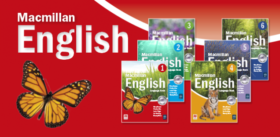
Macmillan English

Six-level course combining L1 and L2 language learning methodology

Macmillan English is a 6-level primary course that nurtures non-native learners’ speaking and writing fluency, bringing them on par with native speakers of English in the same age range.

Using participation-based learning such as shared listening and reading exercises, Macmillan English encourages children to work together, which helps build their confidence. Traditional EFL methods are reinforced with phonics and sentence-building activities, giving children who are adapting to English as a second language the tools they need to start mastering it.

Key features

  • A range of course components, including Language, Practice and Fluency books helps children learn and practise new language in a variety of contexts.
  • The course is perfect for schools working towards the Cambridge International Programme, and is mapped to the Cambridge English Curriculum.
  • A range of games and class activities encourage participation and reinforce lesson work, with assets like posters and flashcards making learning more visual and memorable.
  • The Digital Student’s Book can replace all printed student components, allowing for more interactive, mobile learning.
  • The Teacher’s Presentation Kit includes digital editions of all coursebooks, as well as interactive audio activities and a Test Resource Pack for fast preparation.

Digital Student’s Book

The Macmillan English Digital Student’s Book provides students with a print-free option of accessing the Student’s Book content and includes all of the interactive activities that the Macmillan English Presentation Kit offers.

Language Book

The Macmillan English Language Book gives pupils the opportunity to work through basic skills such as reading, comprehension, sentence and language building, grammar, listening, phonics, spelling and class writing. Revision pages reinforce material already learnt.

Fluency Book

The Macmillan English Fluency Book helps children to develop natural intonation in speaking English through an exciting adventure story at lower levels, and at higher levels through a radio programme with accompanying writing tasks. A full colour book complete with engaging illustrations and stickers.

Practice Book Pack

The Macmillan English Practice Book contains practice exercises accompanying the Language Book. Activities include grammar exercises, writing tasks and grammar check-up pages to support and reinforce the material being learnt. Packaged with the Practice Book is the Working with Words CD-ROM.

Teacher’s Guide

The Macmillan English Teacher’s Guide contains two pages of notes for each lesson to assist the teacher, supporting the classroom use of the Language Book, Practice Book and Fluency Book. Key aims and targets are clearly identified for each lesson.

New Digital School From Youtube

This September, as millions of young people head back to the classroom, we’re opening our digital doors to a brand new type of school–and you’re all invited.

https://www.youtube.com/watch?v=JNeeXPddBmA

The School of YouTube will see many of your favorite YouTube stars learn or teach something new. From figure-skating to salsa dancing, baking a cake to landing a plane, you’ll be able to watch a whole range of weird and wonderful lessons during the week of September 8 to 12.

We all know that YouTube is already like a huge virtual school–a place where people come to learn, to teach, to hang out and make friends–so it makes perfect sense to celebrate this for one week. And the best thing about this school is that you’ll be able to make a real difference to young people who desperately need your help.

The stars of the School of YouTube will be asking for donations to help some of the millions of people around the world who don’t have the opportunity to go to school or get an education. These kids may be struggling to survive on city streets, in slums or in refugee camps. Or they may be in a situation like 10-year-old Daniel from Ghana, who has very little time to get an education because he has to work long shifts in a dangerous gold mine so that his family can afford to eat.

Getting an education is by far the most powerful route out of poverty for these children and that’s where the School of YouTube comes in.

Money raised from donations will go to the U.K. charity Comic Relief, to help give kids an education across some of the world’s poorest countries. And even just £10 or $17 can pay for a Zambian orphan to go to school for two months where they also get a healthy meal–often the only one they’ll eat all day.

So hands up, who’s ready for a lesson at the School of YouTube? If you laugh a little or learn a little, please give a little.

Using Ball Games to Teach English

Ball games are a great way of practicing all kinds of language with young learners, particularly kids who struggle with more traditional classroom activities. Because they have so many possible uses, ball games are particularly good for revising a load of old language before moving onto presenting the new language point of the day.

Throwing or bouncing balls to drill language

playing-ball-line-drawing-mdThe simplest use of a ball is for students to throw and catch it while drilling something like months of the year or pairs of infinitive and irregular past forms of verbs. This can be done with all three of the ways mentioned in the introduction above – one student on their own, two or more students cooperating, or a more competitive version with more challenging throws or things said to catch the other people out. You could also have one or two people throwing and catching while everyone else chants, perhaps as teams. Other sequences which students can drill include Days of the week, Numbers, Times and Dates, Adjectives and adverbs, I me my mine, you you your yours, etc.

Going beyond drilling with throwing and bouncing balls

Another obvious activity that could be considered one step above drilling is brainstorming as a ball goes back and forth, e.g. “banana”, “apple”, “grape” etc if the topic is fruit. The same thing can be done for grammar by brainstorming things like past participles (“been”, “seen”, “watched” etc) and uncountable nouns. You can also do the same thing for pronunciation, brainstorming words with “iz” ending (“passes”, “churches” etc), words with long vowel sounds (“arch” etc), single syllable words (“fan”, “bar” etc), words stressed on the first syllable (“power”, “waterfall”, etc), and so on.

Target practice games for practicing English

Target practice in the classroom can be played with students aiming balls at the places that the teacher or a student says or writes up on the whiteboard. If you don’t have enough balls for one per student or don’t want lots of things flying around the classroom at the same time, students can use paper (screwed up into balls or made into paper aeroplanes) or one person from each team can throw, with their teammates helping them work out where to do so. To add extra language, you can let students try again if they can describe where their ball actually ended up (“It’s in front of the box” “That’s right. Try to throw it behind the box again then.”). You can also play the opposite game of one person throwing and the other students competing to be first to correctly shout out where the ball has ended up.

ycoagaacE

Ball actions

As well as listening for where the ball has gone, students can listen for what someone is doing with the ball, e.g. “You are bouncing it on the door” and “You are kicking it”. Students can also race to do the action that is shouted out or written up (“Balance the ball on your shoulder”, “Hold the ball between your knees”, etc), challenge each other to do tricky things (“Can you head it four times?” etc), or think of and do actions that no one else has (“We are holding it with our little fingers”). One person or group can also do a whole sequence of actions that the other people must try to remember, as practice of Past Simple and/ or sequencing language (“after that” etc).

TEFL dodge ball

This is kind of the opposite of the throw and catch games at the start of this article. People try to avoid the thrown ball, and if it hits them they have to answer the question, come up with the next word, guess the next missing letter, etc. If they are wrong, they lose a point or are out of the game. If they are right, they can throw the ball next, perhaps also setting the next challenge. If you and the students can stand the chaos, this works best with everyone running around freely, rather than gathered at opposite walls as in the normal rules of dodge ball.

Article written by Alex Case for UsingEnglish.com
Read more