Tag Archives: For Teachers

საინტერესო სიტყვები და გამონათქვამები – You can’t always get what you want

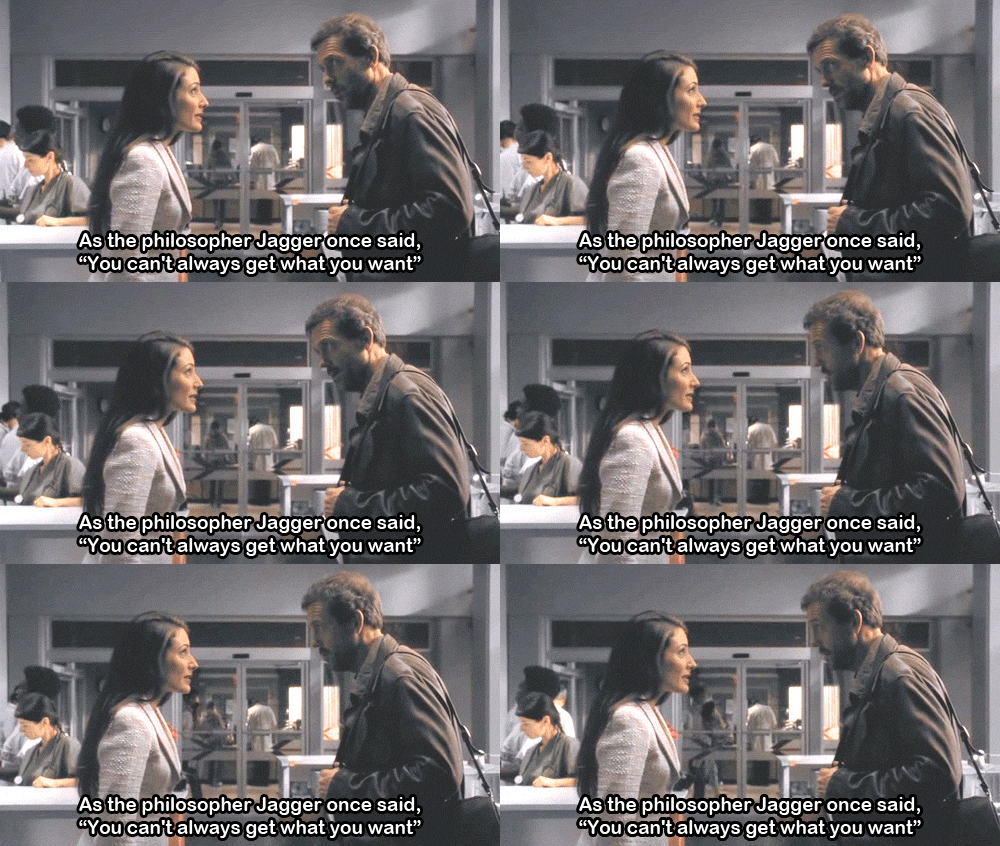
“You can’t always get what you want.”

What does it mean?

Don’t whine and complain if you don’t get what you wanted.

Where does it come from?

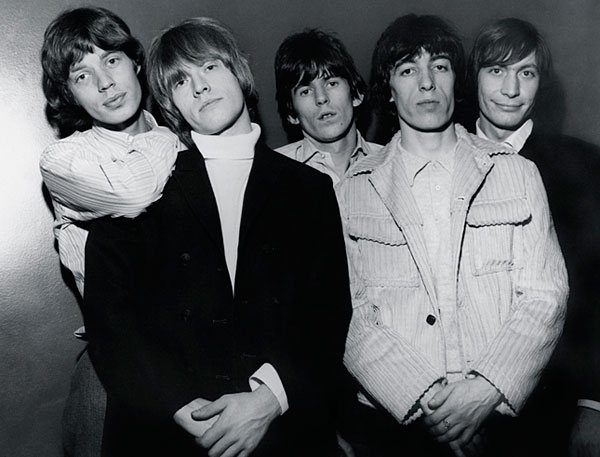
It’s actually a song written in 1968 by Mick Jagger and Keith Richards of the Rolling Stones.

Of the song, Jagger said: “‘You Can’t Always Get What You Want’ was something I just played on the acoustic guitar—one of those bedroom songs. It proved to be quite difficult to record because Charlie (the band’s drummer) couldn’t play the groove and so Jimmy Miller (the band’s producer) had to play the drums. I’d also had this idea of having a choir, probably a gospel choir, on the track, but there wasn’t one around at that point. Jack Nitzsche, or somebody, said that we could get the London Bach Choir and we said, ‘That will be a laugh.'”

https://www.youtube.com/watch?v=EM_p1Az05Jo

Which Book Would You Read?

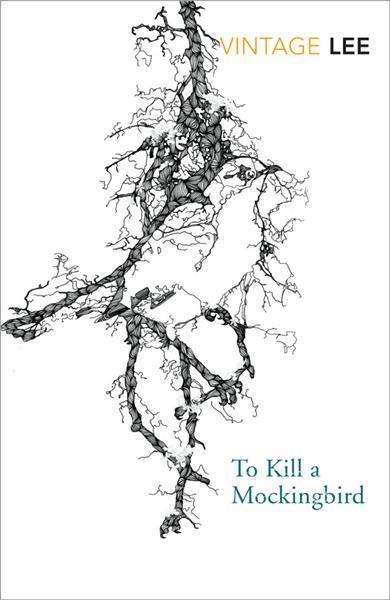
To Kill a MockingbirdTo Kill a Mockingbird

Author: Harper Lee

ISBN: 9780099466734

Lawyer Atticus Finch defends the real mockingbird of Harper Lee’s classic, Puliter Prize-winning novel—a black man charged with the rape of a white woman. Through the eyes of Atticus’s children, Scout and Jem Finch, Harper Lee explores with rich humor and unanswering honesty the irrationality of adult attitudes toward race and class in the Deep South of the 1930’s.

[button color=”blue” size=”small” link=”http://onlinebookshop.ge/product/to-kill-a-mockingbird/” target=”blank” ]Buy the Book[/button]


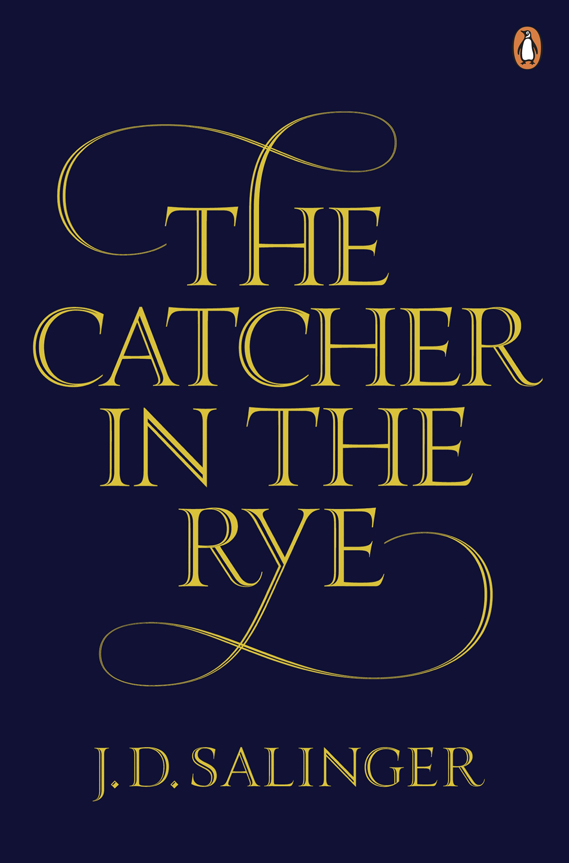
The Catcher in the RyeThe Catcher in the Rye

Author: J.D. Salinger

ISBN: 9780241950432

The Catcher in Rye is the ultimate novel for disaffected youth, but it’s relevant to all ages. The story is told by Holden Caulfield, a seventeen- year-old dropout who has just been kicked out of his fourth school. Throughout, Holden dissects the ‘phony’ aspects of society, and the ‘phonies’ themselves: the headmaster whose affability depends on the wealth of the parents, his roommate who scores with girls using sickly-sweet affection. Lazy in style, full of slang and swear words, it’s a novel whose interest and appeal comes from its observations rather than its plot intrigues (in conventional terms, there is hardly any plot at all). Salinger’s style creates an effect of conversation, it is as though Holden is speaking to you personally, as though you too have seen through the pretences of the American Dream and are growing up unable to see the point of living in, or contributing to, the society around you. Written with the clarity of a boy leaving childhood, it deals with society, love, loss, and expectations without ever falling into the clutch of a cliché.

[button color=”blue” size=”small” link=”http://onlinebookshop.ge/product/the-catcher-in-the-rye/” target=”blank” ]Buy the Book[/button]

9 Humor Strategies to Use in the Classroom

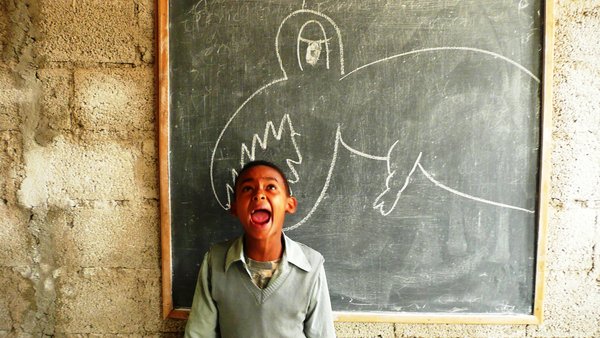
Image Source: www.travelblog.org, Classroom fun, Addis Ababa, Ethiopia

Even if you are “humor challenged,” there are things you can do to lighten the load and dissipate the clouds in your classroom. Just remember, above all, that sarcasm has no place in the school. Only “no hurt” humor is acceptable.

  1. Laugh at yourself — when you do something silly or wrong, mention it and laugh at it
  2. Add humorous items to tests, homework or class assignments — even at the University, one of my favorite options when I give multiple choice exams requiring students to identify pairs of psychologists is Calamari and Endive. It always gets smiles, and helps to break exam tension
  3. Keep a quotable quotes bulletin board or corner in your room — look for humor quotes and post them and encourage your students to do the same
  4. Keep a cartoon file, and have an area where you can display one or two a day on a rotating basis, with students making the choice
  5. Have Joke Friday — ask students to bring in jokes to share, either to start the day on Friday, to make a transition between lunch and the following class, or at the end of the day (be sure to screen the jokes in advance, of course)
  6. Ask students to try to build humor into occasional writing assignments — that will start a conversation about what it funny, how they know something is funny, why different people find some things funny but some things are funny to almost everyone
  7. Have a funny hat day, or mismatched socks day, or some other funny dress-up time
  8. Build creative and humorous thinking by showing cartoons and picture without captions and asking students to create them — individually, in pair-shares, or small groups
  9. Ask students to bring in books they think are funny. Ask them to talk about why, and to use examples from the book.

Let’s add some more enjoyment to school. We don’t need guffaws — a smile and a little levity can go a long way. It’s time for us educators to take humor more seriously.

საინტერესო სიტყვები და გამონათქვამები – Felicity

What does Felicity mean?

It is a noun and it’s the state of being happy.

How do you pronounce it?

/fɪˈlɪsɪti/

OR

fe·lic·i·ty

Where does it come from?

From the 14th century: in Latin felicitat.

How do you use it?

The newlywed couple was in pure felicity on their honeymoon.

საინტერესო სიტყვები და გამონათქვამები – There’s no such thing as a free lunch

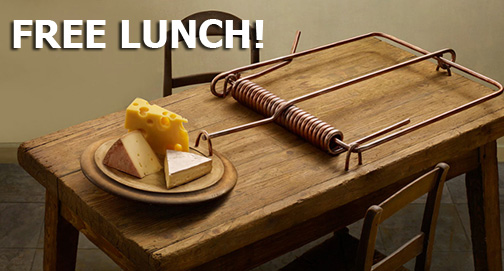
“There’s no such thing as a free lunch.”

What does it mean?

Things that are offered for free always have a hidden cost.

Where does it come from?

Free lunch was a commonplace term in the USA from the mid 19th century onward. It wasn’t used to describe handouts of food to the poor and hungry though, it denoted the free food that American saloon keepers used to attract drinkers; for example, this advertisement for a Milwaukee saloon, in The Commercial Advertiser, June 1850:

At The Crescent…
Can be found the choicest of Segars, Wines and Liquors…
N. B. – A free lunch every day at 11 o’clock will be served up.

Free lunches, often cold food but sometimes quite elaborate affairs, were provided for anyone who bought drink. This inducement wasn’t popular with the temperance lobby and so the economy and thinking changed to where saloon customers always ended up paying for the food in the price of the drinks they were obliged to consume. Indeed, some saloon keepers were prosecuted for false advertising of free lunch as customers couldn’t partake of it without first paying money to the saloon.

It was into this context that the economic theorists enter the fray and ‘there’s no such thing as a free lunch‘ is coined. It isn’t known who coined the phrase.

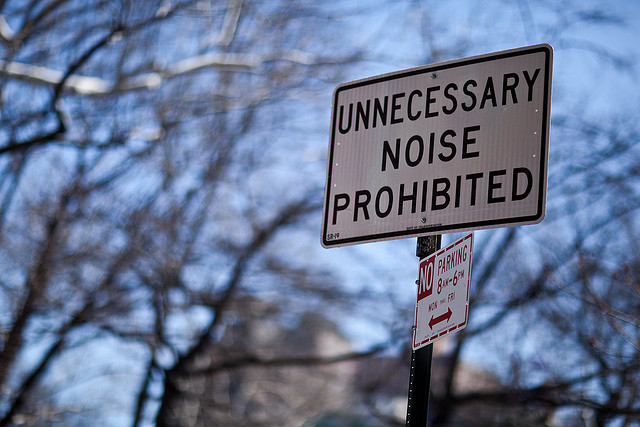
15 Techniques to Quiet a Noisy Class

Have you fallen into the trap of saying “No talking!” or “I need quiet!” all day long? It’s exhausting to keep repeating your requests for silence, and after the hundredth time, kids just tune you out, anyway. There have been some great discussions about how to get students to quiet down and we want to share what’s worked for teachers in their classroom. Teachers’ names are written in parentheses where applicable.

1. Sing a song.

For the youngest students, use finger plays like the Itsy Bitsy Spider and Open, Shut Them. Students of any age will respond to simple tunes and call-backs, such as “Dadadadadada…Da da!” and “Bum, bada bum bum…Bum, bum!”  Since Scott R. loves sports, he starts singing the ESPN tune and has the kids finish it. Bianca G.  sings the Wada Wada Bing Bang song with her class, and says, “If they are singing they can’t be talking. The goal is not to sing it more than once.”

2. Play a song.

If you’re not comfortable singing with your class, try playing music on your computer or CD player. You can use kids’ songs, popular music, classical or jazz songs you want to expose the kids to, songs related to your unit of study, etc. I like to use clips of shorter songs–just thirty to sixty seconds. Use the same song daily for several weeks, and teach kids that when the music stops, instruction begins.

3. Use a special sound.

Bethany M. uses a zen chime with a long sustain. She told her students to listen quietly to the chime and raise their hands when it stopped ringing. It became like a game: “The students would strain to hear it–no one wanted to be the first to raise their hand. Within two seconds, it was so silent you could have heard a pin drop.”

Here are some other ideas for sound signals:

a)      bells

b)      wind chimes

c)       buddha bowls

d)      tingshas

e)      triangles

f)       rattles

g)      rainsticks

h)      harmonicas

i)        train whistles
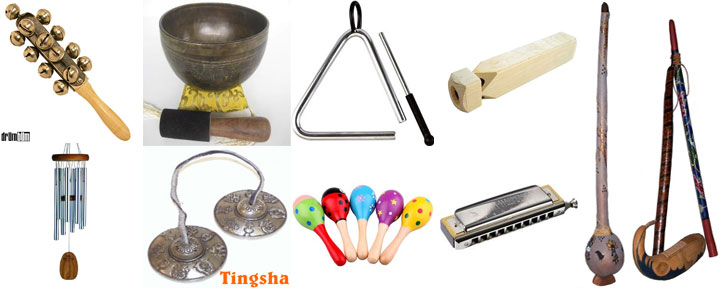
instruments

4. Clap out a rhythm.

Leigh E. says, “I will walk over near a few students and in a calm, normal-volume voice say, ‘Clap twice if you can hear me.’ The few students will clap. Then, I repeat it again. Now, more students are quiet and listening. I will calmly repeat (changing the number of claps) until I have the attention of the entire room. Typically, this will quiet a classroom within 20 seconds, and an auditorium or cafeteria of hundreds of students in less than a minute. I have been using this for years, and it still works!”

5. Get kids moving.

Call-and-responses that include some kind of physical movement are especially effective. Marina T. uses this one: “Drop it [they have to actually drop what’s in their hands], Zip it [mouths are closed], Lock it [all eyes are locked on the teacher.] Then we all clap once together.” Stephanie W. uses this: “Take a seat, take a seat…Take a load off your feet, whoop whoop [raise arms on the whoop whoop].” Another idea is to play a Simon Says-like game: “If you can hear me, put your hands on your head” and so on with different directions to get kids moving.

6. Do a countdown.

For example, you could say, “When I get to zero, I need you the room to be completely quiet. 10, 9, 8…” When time is up, move on to the next activity just like you said you’d do, and let stragglers catch up without acknowledging them except to help as needed. If you’re consistent with this, students will learn you mean what you say and they have to keep pace! Diana S. trained her third graders in what she calls the Five Finger Technique: “Any time I held my hand in the air, any child who saw it started counting to 5, and by the time we got there everyone should have stopped, faced me, closed their mouths and opened their ears.” Since she taught on a reservation, sometimes she did the countdown in her students’ native language, as well.

7. Try a hand signal.

Jenni S. shares this tip she uses with her eighth grade class: “I say, ‘Teaching in 5, teaching in 4, teaching in 3,’ all the way down to 1. We rehearse this in the beginning of the year. I hold up my hand and use my fingers as I talk. By the middle of the year, I don’t even say it anymore, I just put my hand up and the kids quiet down by 1.”

8. Use sign language.

I like to teach students the signs for quiet, stand up, sit down, line up, and other basic directions. It’s much gentler (and less exhausting) to show a sign all day long than to keep repeating yourself! When you want quiet, simply show the sign for quiet and have students mimic it back. Here’s an article on various sign language signs for the classroom and how to use them.

9. Fill the room with quiet sprinkles.

This is a great one for the PreK-2 set, especially if you have a dramatic flair. Decorate a small container with glitter and sparkles and label it “Quiet Sprinkles.” Tell the class, “When I sprinkle these imaginary sprinkles on your head, you will become quiet and freeze, just like magic! Watch how it works!” and pretend to sprinkle some on a child’s head. Make a big show of gliding around the room and sweeping the sprinkles over your students. If you use this technique more than once or twice a month, it will lose its effectiveness, but it’s a lot of fun!

10. Try marshmallows and bubbles.

Beth O. tells her students to “pop a marshmallow in.” Right after she says the words, she puffs up her cheeks and taps them, and the kids do the same with their own cheeks (which stops them from talking.) She then makes eye contact with individual children as needed and taps one her puffed cheeks as a reminder. Elizabeth D. calls does something similar, but calls it “putting bubbles in your mouth” and says, “Remind students to have bubbles before you leave class and whenever needed! Works amazingly, and they are so cute when they do it!”

11. Get playful. 

There’s not much time in the average classroom for play, so attention-getters can be a quick and easy way to incorporate some FUN in your classroom!  Elissa S. says, “Sometimes I have a code word. At the moment it’s BANANA BREAD and when students hear it, they grab their ears with the opposite hand crossed in front of them.” Christopher O. uses a microphone and walks around like a talk show host. Lynda P. says, “Avengers, assemble for further instructions!”  Sharris H., who teaches English in a computer lab, says “Jazz hands!” to get students’ hands off keyboards  so she can have their attention.

12. Get sneaky.

JulieAnn S. says, “Talk softly to one group of students…the rest will want to hear what you are saying.” Lori S. advises, “Speak in an accent they don’t normally hear. They will all look to see who came in the room.” Barry G.  tells his high schoolers, “Please don’t listen to what I’m about to say because I’ll probably be fired if they find out I said it. It gets concert-hall quiet!”

13. Use a concrete reminder.

Tracy C. uses a visual. She tells us, “I have a wand and attached a big check mark at the top (printed from the computer). I trimmed the check mark in red sparkly garland. I teach the kids on the first day of school when I hold the sign up that they are to ‘check in’. Whenever someone is chatty or not paying attention, I hold the sign in the air. The good listeners will inform the student who is breaking the rule by pointing to the sign. I never have to say a thing. The ‘check in” sign has been one of my classroom management tools for years.” Toni L. uses a wind up music box: “I wind it on Monday. Every time the class is noisy, I open it. If there is still music left on Friday, the class earns a treat.” If you don’t like to give tangible rewards to students, make the reward a class dance-off: play a favorite song for 2 or 3 minutes on Friday afternoon right before dismissal and let the kids have some fun!

14. Make it educational.

Robert B. teaches math, and tells his students, “Give me a factor of ___” and the kids hold up the correct number of fingers (i.e. “Give me a factor of 36″ and the kids hold up 6 fingers.)

15. Change techniques once a month or quarter to keep things fresh.

Anne P. advises, “Practice one attention grabber for two weeks, and praise, praise, praise when students respond as requested. Introduce another grabber once they have mastered the last, making it a treat to learn something new.”

Remember there is no “magic bullet” that will get all students’ attention all of the time. Don’t get frustrated! Constantly having to refocus your class is a normal part of teaching. Take a deep breath, smile, and keep encouraging your students. You can do this!
Ten Amazing Literary Facts You Should Know

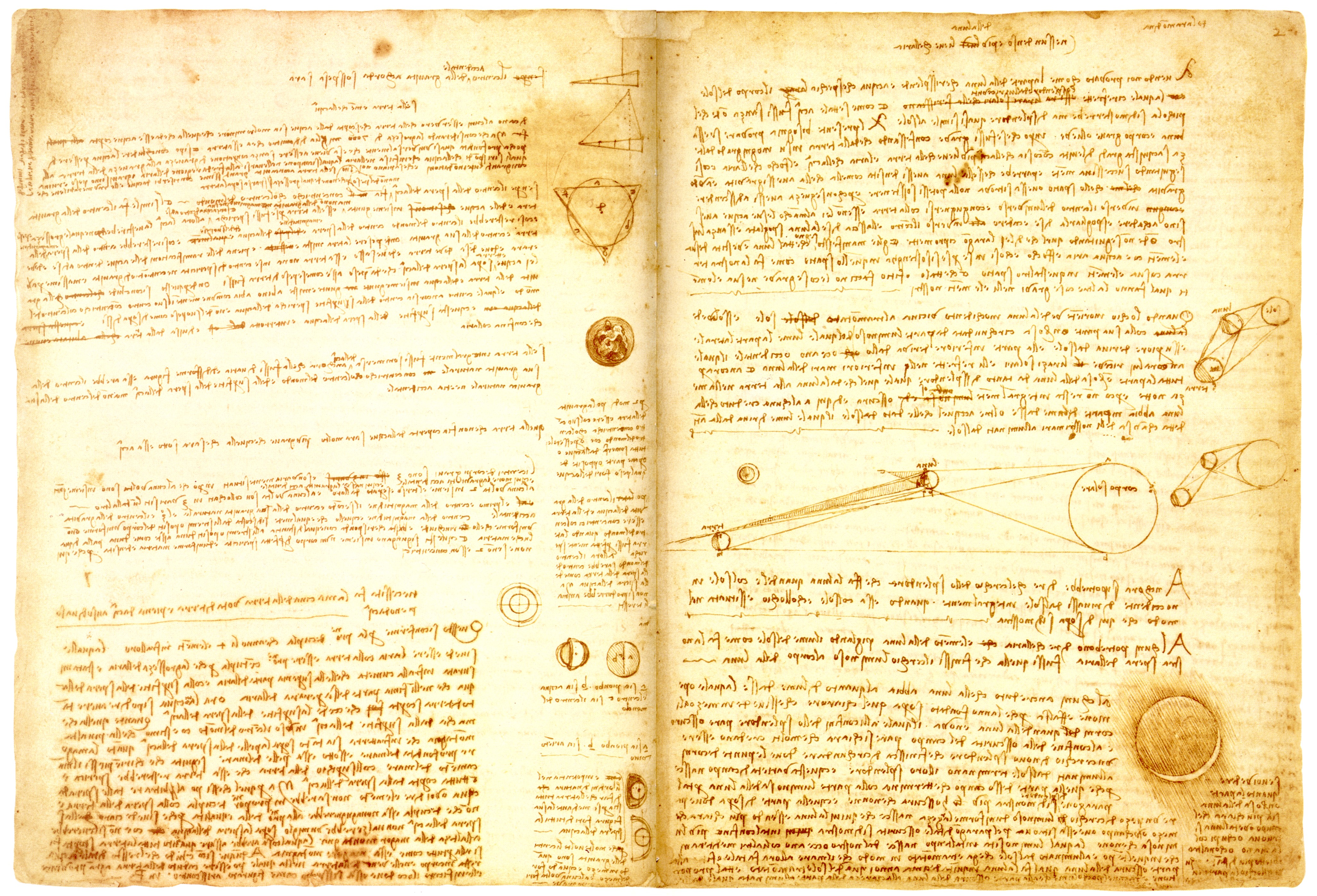
1. Most expensive book ever purchased:

Everyone’s favorite billionaire Bill Gates bought ‘Codex Leicester’, one of Leonardo Di Vinci’s scientific journals for $30.8 million.

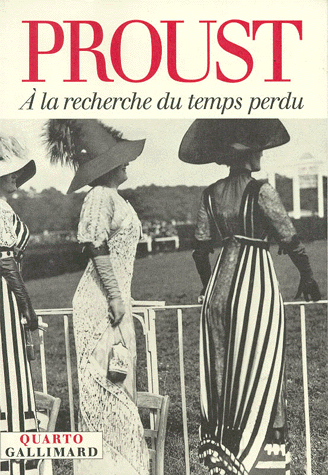
2. Longest book in the world:

‘A la recherche du temps perdu’ by Marcel Proust is the longest book in the world at 9,609,000 characters. Translated into Remembers of Things Past, the book tells the story of the narrator’s experiences growing up.

Via tumblr

3. Roald Dahl’s interesting life experiences:

Dahl served in the Royal Air Force during World War II and also tested chocolates for Cadbury’s while he was at school. (I guess we know where his inspiration for Charlie and the Chocolate Factory came from).

Via Telegraph

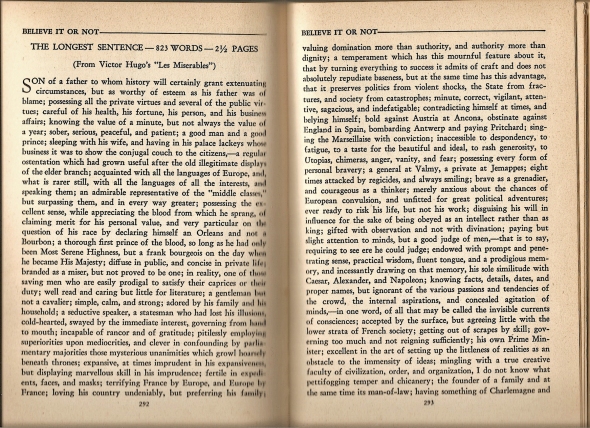
5. Victor Hugo’s 823 word long sentence:

In Victor Hugo’s novel, Les Miserables, you can find a sentence that is 823 words long. However, there may be other sentences that surpasses this length. But this one is worth knowing.

Via yankeeskeptic.com

6. J.K. Rowling is not actually her name:

Our favorite author who goes by initials, actually doesn’t have a middle name. After a suggestion from her publisher, she chose her grandmother’s name, Kathleen.

Via The Times

7. Charles Dickens’ superstitious behaviour:

Dickens believed that sleeping facing North, would improve his writing. He also carried a compass when travelling to make sure he was facing the right direction and he always touched things 3 times for luck.

VIa Telegraph

8. Tolstoy owes War and Peace to his wife’s efforts:

The 1400 page novel was copied around 7 times by Leo Tolstoy’s wife, Sophia, by hand – that’s love.

Via phlmetropolis.com

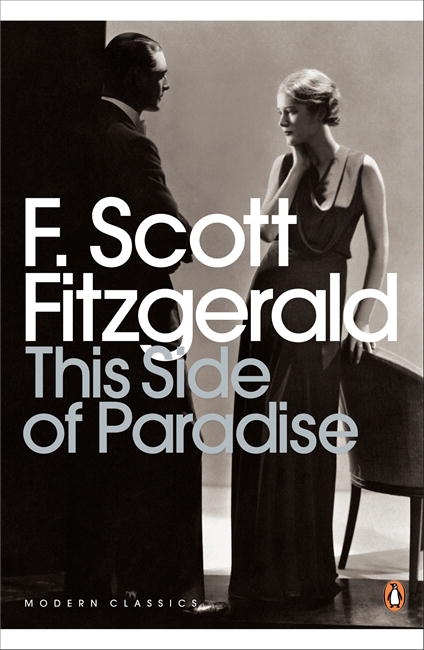
9. The words F. Scott Fitzgerald created that you use everyday:

Oxford English Dictionary notes the earliest use of the word ‘wicked’ to mean good/cool to be from Fitzgerald’s novel ‘This Side of Paradise’. He is also thought to have used the word T-shirt for the first time.

Via Penguin

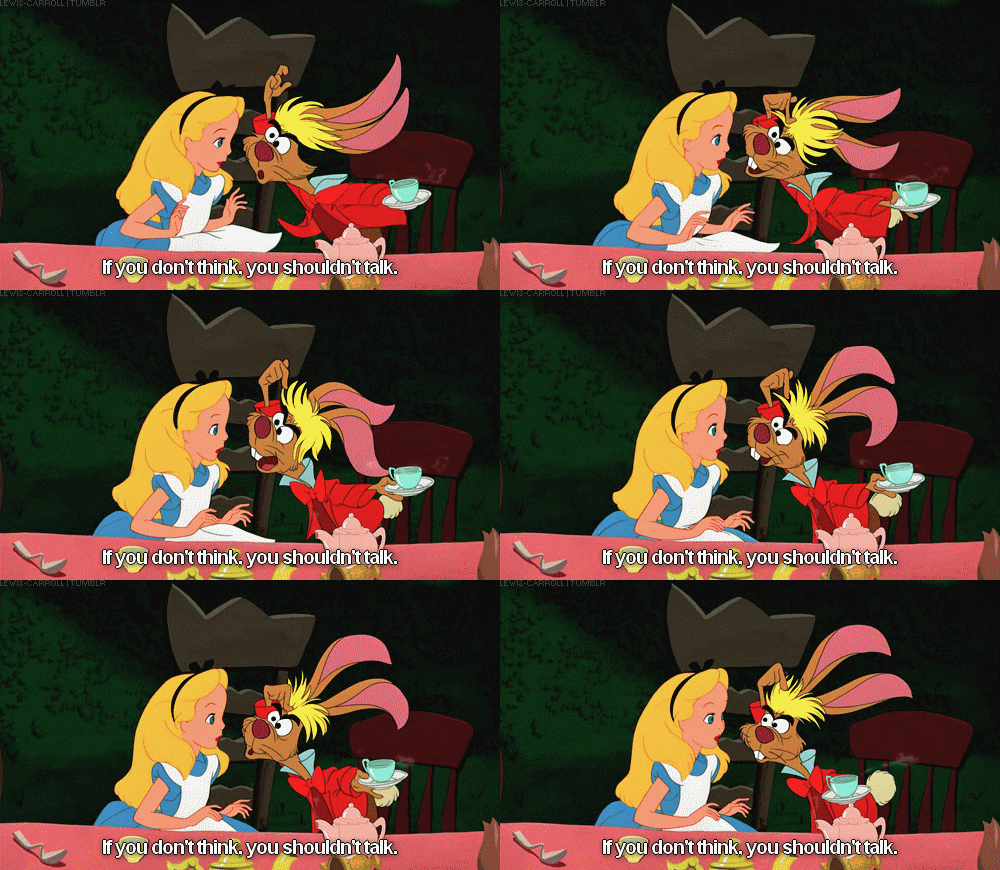
10. The children’s story that China banned:

The Governor of Hunan Province in China banned Lewis Carroll’s Alice in Wonderland because he believed that animals should not be given the power to use the language of humans and to put animals and humans on the same level would be ‘disastrous’.


საინტერესო სიტყვები და გამონათქვამები – Birds of a feather flock together

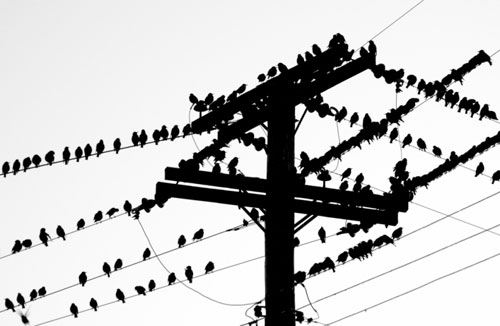
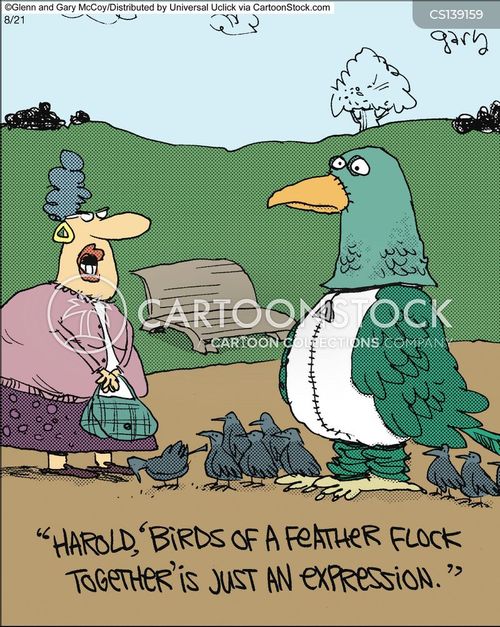
“Birds of a feather flock together.”

What does it mean?

People like to spend time with others who are similar to them.

Where does it come from?

This proverb has been in use since at least the mid 16th century. In 1545, William Turner used a version of it in his papist satire The Rescuing of Romish Fox:

“Byrdes of on kynde and color flok and flye allwayes together.”

Theme of the Week: Celebrating Authors of March

This week we celebrate authors of the past and present who had birthdays in the month of March. Check them out below.

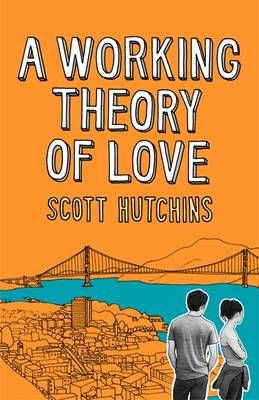
Scott Hutchins                  

(March 4, 1974 – Present)

Hutchins is an American novelist and short-story writer. His work has appeared in The New York Times, San Francisco Magazine and Esquire Magazine. His debut novel A Working Theory of Love has been called both “revelatory and exciting” and “ambitious and accomplished.”

Mar 5 - hutchins


[button color=”blue” size=”small” link=”http://onlinebookshop.ge/product/working-theory-of-love-by-scott-hutchins/” target=”blank” ]Buy the Book[/button]

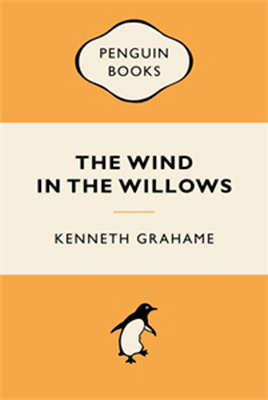
Kenneth Grahame         

(March 8, 1859 – July 6, 1932)

Grahame was a Scottish writer, most famous for The Wind in the Willows (1908), one of the classics of children’s literature. It was later adapted into a Disney film.

windwillows


[button color=”blue” size=”small” link=”http://onlinebookshop.ge/product/wind-in-the-willows/” target=”blank” ]Buy the Book[/button]

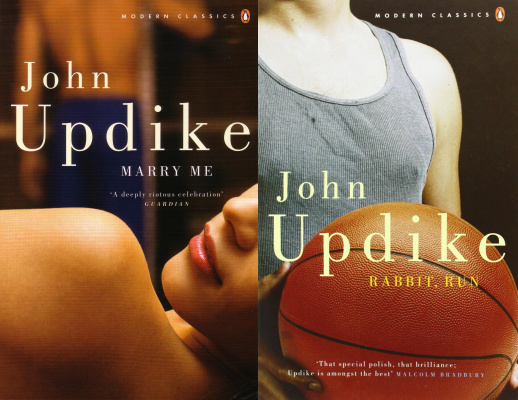
John Updike

(March 18, 1932 – January 27, 2009)

Updike was an American novelist, poet, short story writer, art critic, and literary critic. His most famous work is his “Rabbit” series, which chronicles the life of the middle-class everyman Harry “Rabbit” Angstrom over the course of several decades, from young adulthood to death.

03.03-updike


[button color=”blue” size=”small” link=”http://onlinebookshop.ge/vendor/john-updike/” target=”blank” ]Buy the Book[/button]

Anna Sewell

(March 30, 1820 – April 25, 1878)

Sewell was an English novelist, best known as the author of the classic novel Black Beauty.

black


[button color=”blue” size=”small” link=”http://onlinebookshop.ge/product/black-beauty/” target=”blank” ]Buy the Book[/button]

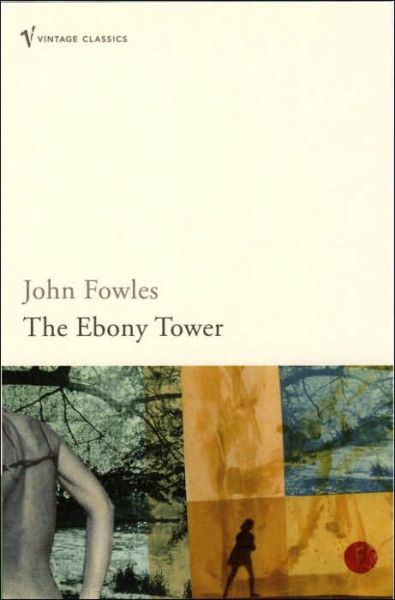
John Fowles

(March 31, 1926 – November 5, 2005)

Fowles was an English novelist of international stature, critically positioned between modernism and postmodernism.

ebony


[button color=”blue” size=”small” link=”http://onlinebookshop.ge/product/the-ebony-tower/” target=”blank” ]Buy the Book[/button]