Notice: Function _load_textdomain_just_in_time was called incorrectly. Translation loading for the content-views-query-and-display-post-page domain was triggered too early. This is usually an indicator for some code in the plugin or theme running too early. Translations should be loaded at the init action or later. Please see Debugging in WordPress for more information. (This message was added in version 6.7.0.) in /home2/englita2/public_html/blogebg/wp-includes/functions.php on line 6170
Notice: Function _load_textdomain_just_in_time was called incorrectly. Translation loading for the js_composer domain was triggered too early. This is usually an indicator for some code in the plugin or theme running too early. Translations should be loaded at the init action or later. Please see Debugging in WordPress for more information. (This message was added in version 6.7.0.) in /home2/englita2/public_html/blogebg/wp-includes/functions.php on line 6170
Notice: Function _load_textdomain_just_in_time was called incorrectly. Translation loading for the gravity-forms-pdf-extended domain was triggered too early. This is usually an indicator for some code in the plugin or theme running too early. Translations should be loaded at the init action or later. Please see Debugging in WordPress for more information. (This message was added in version 6.7.0.) in /home2/englita2/public_html/blogebg/wp-includes/functions.php on line 6170 proverb | Blog EBE
Skip to content
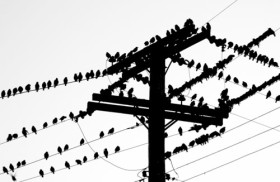
People like to spend time with others who are similar to them.
Where does it come from?
This proverb has been in use since at least the mid 16th century. In 1545, William Turner used a version of it in his papist satire The Rescuing of Romish Fox:
“Byrdes of on kynde and color flok and flye allwayes together.”
When you break it down and put it into context, “the going” means “the situation,” “gets tough” means “becomes difficult,” “the tough” means “people who are strong or enduring,” and “get going” means “become fully engaged.” Taken together, the meaning of the phrase is “When the situation becomes difficult, the strong will work harder to meet the challenge.”
Where does it come from?
The origin of the phrase has been attributed both to Joseph P. Kennedy (1888–1969), father of U.S. President John F. Kennedy (JFK), and sometimes to Norwegian-born American football player and coach Knute Rockne (1888–1931).
Enjoy a very popular American song that uses this proverb below.