
[button color=”blue” size=”small” link=”http://www.lovereading.co.uk/” target=”blank” ]Source[/button]
content-views-query-and-display-post-page domain was triggered too early. This is usually an indicator for some code in the plugin or theme running too early. Translations should be loaded at the init action or later. Please see Debugging in WordPress for more information. (This message was added in version 6.7.0.) in /home2/englita2/public_html/blogebg/wp-includes/functions.php on line 6170js_composer domain was triggered too early. This is usually an indicator for some code in the plugin or theme running too early. Translations should be loaded at the init action or later. Please see Debugging in WordPress for more information. (This message was added in version 6.7.0.) in /home2/englita2/public_html/blogebg/wp-includes/functions.php on line 6170gravity-forms-pdf-extended domain was triggered too early. This is usually an indicator for some code in the plugin or theme running too early. Translations should be loaded at the init action or later. Please see Debugging in WordPress for more information. (This message was added in version 6.7.0.) in /home2/englita2/public_html/blogebg/wp-includes/functions.php on line 6170
[button color=”blue” size=”small” link=”http://www.lovereading.co.uk/” target=”blank” ]Source[/button]
“There’s no time like the present.”
What does it mean?
If you need to do something, don’t wait until later. Do it now.

Where does it come from?
Do or say it now, as in Go ahead and call him-there’s no time like the present. This adage was first recorded in 1562. One compiler of proverbs, John Trusler, amplified it: “No time like the present, a thousand unforeseen circumstances may interrupt you at a future time” ( Proverbs Exemplified, 1790).

By Dr. Allen Mendler: Author, speaker, educator
Even though your toughest students are just kids at the mercy of emotions they don’t understand or can’t control, it can be hard for a teacher to stay calm and not take these ongoing behavioral problems personally. My advice: it’s time to hit the reset button!
Tough kids are usually covering a ton of hurt. They defend against feeling pain by erecting walls of protection through rejection. Efforts to penetrate those walls by caring adults are generally met with stronger resistance expressed through emotional withdrawal and/or offensive language, gestures, and actions. Like a crying baby unable to articulate the source of its discomfort, these kids desperately need patient, determined, and affectionate adults with thick skin who refuse to take offensive behavior personally. Here are some ways to connect or reconnect with students who make themselves hard to like.
1. Express gratitude to your difficult students.
At a seminar that I gave at a school in Houston, one of the teachers talked about the turn-around in a boy from her class the year before who had been driving her crazy. She was determined to “love him even more” as her primary intervention. She initiated an “I need a hug” ritual by telling him that since she had no son at home to hug, she needed a “little boy hug” every day to get her day started in a happy way. She asked him to take the job, and every day, “little boy hugger” performed his function. Although challenges remained, mostly due to this child’s very unpredictable home situation, his classroom behavior showed substantial improvement.
Since hugging isn’t always appropriate, consider this strategy. For two weeks, try expressing something positive every day to each of your difficult students. Hard as it might be, make your first interaction each day something welcoming. For example, when a chronically late and uninterested student arrives, fight the temptation to ignore, tersely request a viable excuse, or hand out a late slip. Instead, make your first comment an expression of appreciation for coming. For example:
Carson, I was hoping you’d show up — and you did. Welcome! By the way, we’re on page 62.
Wait until there is no audience around before you express concern and/or give a consequence for the student’s behavior:
Carson, I am concerned that you continue to fall behind because you’re often missing part or all of class. Here’s your late slip, but much more important to me is knowing how I might help you get here on time. What’s going on?’
2. Use encouraging statements every day.
Words of encouragement get and keep students connected and motivated. Below are a dozen examples. Find an excuse to share at least a few of these every day.
You really hung in there by _______.
That was really cool.
Wow, you pushed yourself today, and it really worked out.
I was so impressed today when you _______.
It was awesome to see you _______.
That took some special effort.
I hope you feel proud about _______, because you should.
Thanks for putting a smile on my face when you _______.
It’s not easy to _______, but you are making it happen.
Your cooperation is really appreciated. Thanks.
That was flat-out good!
Congratulations! (And then be specific about what you are congratulating.)
3. Act toward your worst student the way you act toward your best student.
Who is your best-behaved or most motivated student? When you think about that student, what adjectives come to mind? When you interact, what comments come naturally? When the student makes a mistake, how do you usually react? For one week, try acting toward your worst-behaved or least-motivated student in the same way, and see what happens.
A teacher at an elementary school that I recently visited told me about Ken, a fifth grade student who had developed a bad reputation but was making an effort to turn things around. Transitions were especially difficult. Knowing there was going to be a substitute teacher the next day, Ms. Silver told Ken, “Tomorrow a sub is going to be here. I expect responsible behavior, and there’ll be consequences if I hear otherwise.” The sub reported that Ken was awful. When Ms. Silver returned, she told him that she was stuck between a rock and a hard place because, although she was proud of his overall progress, she was very disappointed with his recent behavior. When she asked him what he thought would be a fair consequence he said, “If I was a good kid in this school, what would you do?” She said that she would probably ask the student to explain what happened, why it happened, and what he thought a good consequence would be. Ken looked her straight in the eye and said, “Well, then that is what you should do to me.”
4. Send the parents a “positive postcard.”
Prepare an email or note home that briefly describes positive behavior or an achievement that you’ve recently observed. Show it to the student before sending it. If you haven’t seen positive behavior that you can genuinely acknowledge, write a positive note or email as if a behavior you are seeking has already happened. Show it to the student. Ask him or her to tell you when it would be a good time to send it.
[button color=”blue” size=”small” link=”http://www.edutopia.org/blog/fresh-starts-hard-to-like-students-allen-mendler” target=”blank” ]Source[/button]

What does Epiphany mean?
It’s a noun that means a moment of sudden revelation. An example of epiphany is when someone has been looking for their lost keys and suddenly has an idea of where they are.
How do you pronounce it?
/ɪˈpɪf(ə)ni,ɛ-/
or
[ih-pif-uh-nee]

How do you use it?
Seeing her father again when she was an adult was an epiphany that changed her whole view of her childhood.

“Easy come, easy go.”
What does it mean?
When you get money quickly, like by winning it, it’s easy to spend it or lose it quickly as well.

Where does it come from?
Originally stated as lightly come, lightly go OR quickly come, quickly go. The adverb easy was substituted in the early 1800s and has been a common expression since.
Which Arthur Conan Doyle Book would you read?
 The Hound of the Baskervilles
Author : Arthur Conan Doyle
ISBN : 9780141199177
‘Mr Holmes, they were the footprints of a gigantic hound!’ The terrible spectacle of the beast, the fog of the moor, the discovery of a body: this classic horror story pits detective against dog, rationalism against the supernatural, good against evil. When Sir Charles Baskerville is found dead on the wild Devon moorland with the footprints of a giant hound nearby, the blame is placed on a family curse. It is left to Sherlock Holmes and Doctor Watson to solve the mystery of the legend of the phantom hound before Sir Charles’ heir comes to an equally gruesome end. The Hound of the Baskervilles gripped readers when it was first serialised and has continued to hold its place in the popular imagination.
Price : 15.90ლ
[button color=”blue” size=”small” link=”http://onlinebookshop.ge/shop/books/the-hound-of-the-baskervilles/” target=”blank” ]იყიდება წიგნი[/button]
 The Five Orange Pips and Other Cases
Author : Arthur Conan Doyle
ISBN : 9780141199719
‘He is the Napoleon of crime, Watson … He sits motionless, like a spider in the centre of its web, but that web has a thousand radiations, and he knows well every quiver of each of them.’ Sherlock Holmes, scourge of criminals everywhere, whether they be lurking in London’s foggy backstreets or plotting behind the walls of an idyllic country mansion, and his faithful colleague Dr Watson, solve these breathtaking and perplexing mysteries. In Arthur Conan Doyle’s The Five Orange Pips and Other Cases we encounter some of his most famous and devilishly difficult problems.
Price : 15.90ლ
[button color=”blue” size=”small” link=”http://onlinebookshop.ge/shop/books/the-five-orange-pips-and-other-cases/” target=”blank” ]იყიდება წიგნი[/button]

by Johanna Rauhala (Peer Coach, Teacher, Writer, Parent)
Ice crystallized on the windshield, then a tire burst on the way to school, making you late. By the time you arrived, the computer (with the video clip and presentation cued up) froze. Minutes later, Jason pulled the fire alarm while you tried to catch up on parent emails. During lunch duty, an honor student was punched in the nose. Your nose is stuffy while you explain to the principal right before an IEP meeting why your plans haven’t been submitted yet. The day trudges along. . . At last, the final bell rings, and in your first quiet moment of the day, thoughts of leaving the teaching profession suddenly seem, well, right.
It’s that moment when you want to say, “I quit!”
We don’t talk about those feelings because we’re supposed to be like those heroic teacher-as-savior figures that permeate popular narratives about our work. And yet. . .
Here’s a secret. Most teachers, at some point, feel like giving up. Most feel the weight of not having done enough, feel the frustrations of negative media attention, and feel challenged by apathetic or disruptive students. Sometimes, the limits and loneliness of the lighthouse keeper are overwhelming. That’s when the enormity of our task feels insurmountable and we despair.
Driving home from such a day, we can be tempted to call in sick and plan for a sub. Sometimes that’s the right call. But there is another opportunity, too. You can take that empathy and understanding normally reserved for students and focus it on yourself. You can consider some strategies for gently accepting your circumstances, reflecting on what is needed, and preparing to return tomorrow. Consider these strategies:
Call a trusted colleague, preferably one who’s been teaching a long time. Vent. Cry. Laugh hysterically and have a glass of beer or wine. Tell them about your struggles and frustrations. All teachers can recount a story of a crazed student or parent. Just ask them. Take this time to break the isolation of our work. No one escapes from teaching — or for that matter, any profession — without wondering if he or she made the right choice. Not even Teachers of the Year. In other words, dear colleague, you are not alone.
This sounds simple, and it is. Sit with the discomfort and notice it. Acknowledge frustrations of the day and then let them go. Listen to your self-talk and try to be kind to yourself. Practice slow breathing. If possible, carry this habit into your workday. It will create space for less reactivity and a more grounded emotional stance.
Consider pausing the scheduled lesson, and instead, take time to engage in team-building activities with your students. An English teacher that I read about, after weeks of essays and test prep, surprised his 12th grade class with a game of kickball out on the blacktop. The sun shone, the kids ran like mad, and everyone came back laughing. It was crazy, unanticipated, and utterly glorious.
Do stacks of papers line your desk? Are parents waiting for your email? Are there field trip permission slips to process? Is the lab set up for tomorrow? Here’s what to do when the onslaught of tasks overwhelms you — write a list of everything that needs to get done in the next two days. (Yes. Write it down. The physical act of writing provides a sense of control.) Look at this list and choose the top three tasks. These three are the must-dos, urgent actions that will help you survive until the next day. After completing the must-dos, cross them off your list and go to sleep early.
Teaching need not consume you. Devoting all of our waking hours to teaching primes us for burnout. And burnout is real. It happens when the demands and expectations of our work drown out our joy. Your other roles are important, too: friend, spouse, sibling, hiker, reader, dancer, joke-teller, or baker — a million other energizing possibilities. These other facets to your personality might need attention. So forget work over the weekend. Go to the forest or to a ball game. Get a massage. Try not to let happiness slip away. We can be good, caring, rigorous teachers, but sacrificing our personal lives is a costly and unsustainable price.
“There are stirrings of life in discontent,” wrote E.M. Forster, meaning that even in frustration and despair, a small flame wants to warm us. Life — ours and those of our students — nudges us. It is not wild or stormy, and chances are that it’s barely a flicker. And on the worst school day, it may not be felt at all. But trust that life is there. And when you open your classroom door tomorrow morning, you will find it.
[button color=”blue” size=”small” link=”http://www.edutopia.org/blog/strategies-recovering-worst-day-teaching-johanna-rauhala” target=”blank” ]Source[/button]

Download Sales Conference Brochures below :
(Right click and Save As to save to your computer )

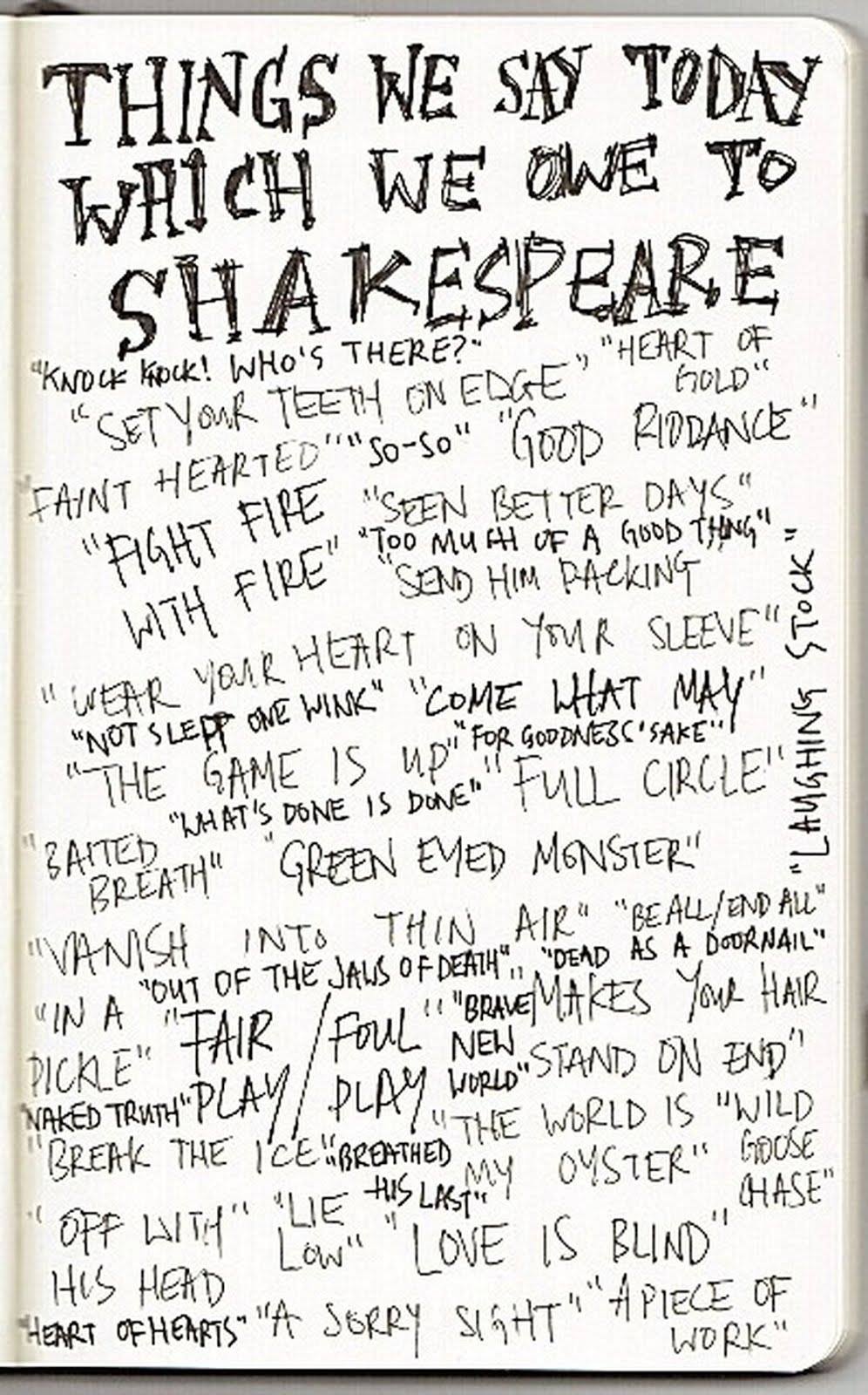
1. According to the Oxford Dictionary of Quotations, Shakespeare wrote close to a 1/10 of the most quoted lines ever written or spoken in English.What’s more, according to the Literary Encyclopaedia, Shakespeare is the second most quoted English writer after the writers of the Bible.
2. Shakespeare has been credited by the Oxford English Dictionary with introducing almost 3,000 words to the English language. Estimations of his vocabulary range from 17,000 to 29,000 words – at least double the number of words used by the average conversationalist.
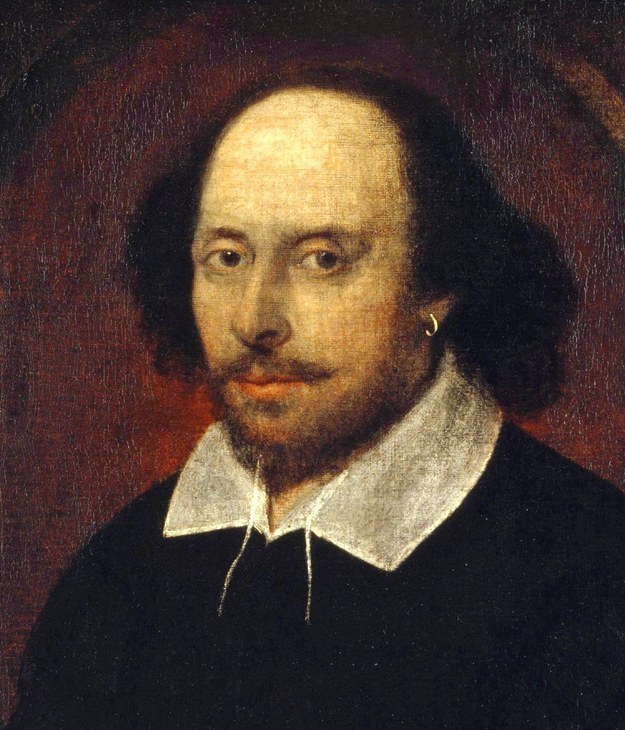
3. Shakespeare never published his plays. They are known today only because two of his fellow actors – John Hemminges and Henry Condell – recorded and published 36 of them posthumously under the name The First Folio, which is the source of all Shakespeare books published.

4. Copyright didn’t exist in Shakespeare’s time, so there was a thriving trade in copied plays. To help counter this, actors got their lines only once the play was in progress, often in the form of cue acting where someone backstage whispered them to the person shortly before he was supposed to deliver them.
5. Aside from writing 38 plays and composing 154 sonnets, Shakespeare was also an established actor. He performed in many of his own plays as well as those of his contemporaries, such as Ben Jonson.
6. “William Shakespeare” is an anagram of “I am a weakish speller”, “I’ll make a wise phrase”, “Lame Swahili speaker” and “Hear me as I will speak”.
7. The moons of Uranus are named after Shakespearean characters. The moons were originally named in 1852 after magical spirits from English literature. The International Astronomy Union subsequently developed the convention to name all further moons of Uranus (of which there are 27) after characters in Shakespeare’s plays or Alexander Pope’s The Rape of the Lock.

8. Shakespeare had close connections with King James I. The King made the actors of Shakespeare’s company ‘Grooms of Chamber’, in response Shakespeare changed the company’s name from the ‘Lord Chamberlain’s Men’ to the ‘King’s Men’. The new title made Shakespeare a favourite with the King and in much demand for Court performances.
9. Unlike most artists of his time, Shakespeare died a very wealthy man with a large property portfolio. He was a brilliant businessman – forming a joint-stock company with his actors meaning he took a share in the company’s profits, as well as earning a fee for each play he wrote.
10. There are more than 80 variations recorded for the spelling of Shakespeare’s name. In the few original signatures that have survived, Shakespeare spelt his name “Willm Shaksp,” “William Shakespe,” “Wm Shakspe,” “William Shakspere,” ”Willm Shakspere,” and “William Shakspeare”. There are no records of him ever having spelt it “William Shakespeare”, as we know him today.

11. The original Globe Theatre came to a premature end in 1613 during a performance of Henry VIII, when a cannon set light to the thatched roof. Within two hours the theatre was burnt to the ground. It was rebuilt in 1614.
12. The Royal Shakespeare Company sells more than half a million tickets a year for Shakespeare productions at their theatres in Stratford-on-Avon, London and Newcastle.
13. Nobody knows Shakespeare’s true birthday. It’s celebrated on April 23 – three days before his baptism, which was recorded on April 26, 1564. However, as Shakespeare was born under the old Julian calendar, what was April 23 during Shakespeare’s life would actually be May 3 according to today’s Gregorian calendar.