Tag Archives: ELT

საინტერესო სიტყვები და გამონათქვამები – Epiphany

What does Epiphany mean?

It’s a noun that means a moment of sudden revelation. An example of epiphany is when someone has been looking for their lost keys and suddenly has an idea of where they are.

How do you pronounce it?

/ɪˈpɪf(ə)ni,ɛ-/

or

[ih-pif-uh-nee]

How do you use it?

Seeing her father again when she was an adult was an epiphany that changed her whole view of her childhood.

საინტერესო სიტყვები და გამონათქვამები – Easy come, easy go

Image source: thedandyayds.blogspot.com

“Easy come, easy go.”

What does it mean?

When you get money quickly, like by winning it, it’s easy to spend it or lose it quickly as well.

Image source: dreamstime.com

Where does it come from?

Originally stated as lightly come, lightly go OR quickly come, quickly go. The adverb easy was substituted in the early 1800s and has been a common expression since.

5 Strategies for Recovering After Your Worst Day Teaching

shutterstock.com
Image source: shutterstock.com

by Johanna Rauhala (Peer Coach, Teacher, Writer, Parent)

Ice crystallized on the windshield, then a tire burst on the way to school, making you late. By the time you arrived, the computer (with the video clip and presentation cued up) froze. Minutes later, Jason pulled the fire alarm while you tried to catch up on parent emails. During lunch duty, an honor student was punched in the nose. Your nose is stuffy while you explain to the principal right before an IEP meeting why your plans haven’t been submitted yet. The day trudges along. . . At last, the final bell rings, and in your first quiet moment of the day, thoughts of leaving the teaching profession suddenly seem, well, right.

It’s that moment when you want to say, “I quit!”

We don’t talk about those feelings because we’re supposed to be like those heroic teacher-as-savior figures that permeate popular narratives about our work. And yet. . .

Here’s a secret. Most teachers, at some point, feel like giving up. Most feel the weight of not having done enough, feel the frustrations of negative media attention, and feel challenged by apathetic or disruptive students. Sometimes, the limits and loneliness of the lighthouse keeper are overwhelming. That’s when the enormity of our task feels insurmountable and we despair.

Driving home from such a day, we can be tempted to call in sick and plan for a sub. Sometimes that’s the right call. But there is another opportunity, too. You can take that empathy and understanding normally reserved for students and focus it on yourself. You can consider some strategies for gently accepting your circumstances, reflecting on what is needed, and preparing to return tomorrow. Consider these strategies:

1. Find a Friendly Shoulder

Call a trusted colleague, preferably one who’s been teaching a long time. Vent. Cry. Laugh hysterically and have a glass of beer or wine. Tell them about your struggles and frustrations. All teachers can recount a story of a crazed student or parent. Just ask them. Take this time to break the isolation of our work. No one escapes from teaching — or for that matter, any profession — without wondering if he or she made the right choice. Not even Teachers of the Year. In other words, dear colleague, you are not alone.

2. Breathe

This sounds simple, and it is. Sit with the discomfort and notice it. Acknowledge frustrations of the day and then let them go. Listen to your self-talk and try to be kind to yourself. Practice slow breathing. If possible, carry this habit into your workday. It will create space for less reactivity and a more grounded emotional stance.

3. Plan for Community

Consider pausing the scheduled lesson, and instead, take time to engage in team-building activities with your students. An English teacher that I read about, after weeks of essays and test prep, surprised his 12th grade class with a game of kickball out on the blacktop. The sun shone, the kids ran like mad, and everyone came back laughing. It was crazy, unanticipated, and utterly glorious.

4. Prioritize

Do stacks of papers line your desk? Are parents waiting for your email? Are there field trip permission slips to process? Is the lab set up for tomorrow? Here’s what to do when the onslaught of tasks overwhelms you — write a list of everything that needs to get done in the next two days. (Yes. Write it down. The physical act of writing provides a sense of control.) Look at this list and choose the top three tasks. These three are the must-dos, urgent actions that will help you survive until the next day. After completing the must-dos, cross them off your list and go to sleep early.

5. Get Perspective

Teaching need not consume you. Devoting all of our waking hours to teaching primes us for burnout. And burnout is real. It happens when the demands and expectations of our work drown out our joy. Your other roles are important, too: friend, spouse, sibling, hiker, reader, dancer, joke-teller, or baker — a million other energizing possibilities. These other facets to your personality might need attention. So forget work over the weekend. Go to the forest or to a ball game. Get a massage. Try not to let happiness slip away. We can be good, caring, rigorous teachers, but sacrificing our personal lives is a costly and unsustainable price.

“There are stirrings of life in discontent,” wrote E.M. Forster, meaning that even in frustration and despair, a small flame wants to warm us. Life — ours and those of our students — nudges us. It is not wild or stormy, and chances are that it’s barely a flicker. And on the worst school day, it may not be felt at all. But trust that life is there. And when you open your classroom door tomorrow morning, you will find it.

[button color=”blue” size=”small” link=”http://www.edutopia.org/blog/strategies-recovering-worst-day-teaching-johanna-rauhala” target=”blank” ]Source[/button]


Things You Didn’t Know About William Shakespeare

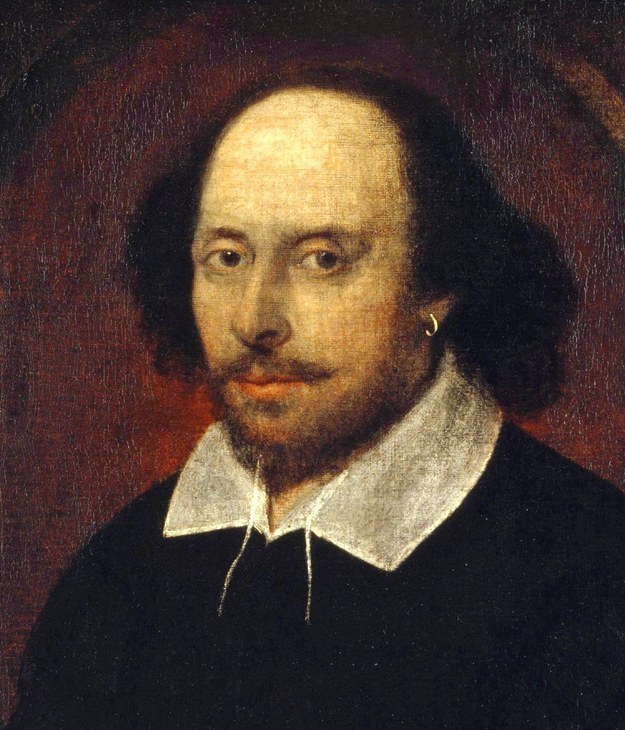
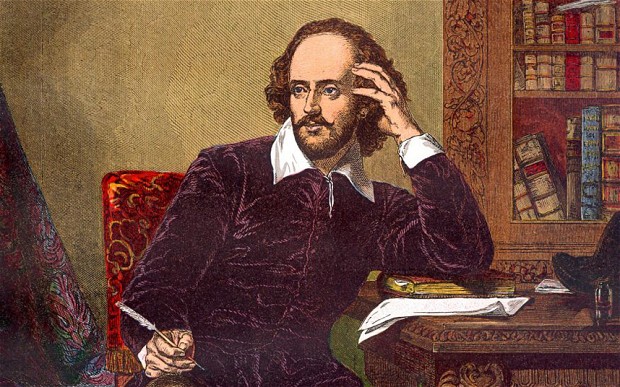
The UK National Portrait Gallery’s inaugural portrait was of William Shakespeare.
Image source: npg.org.uk

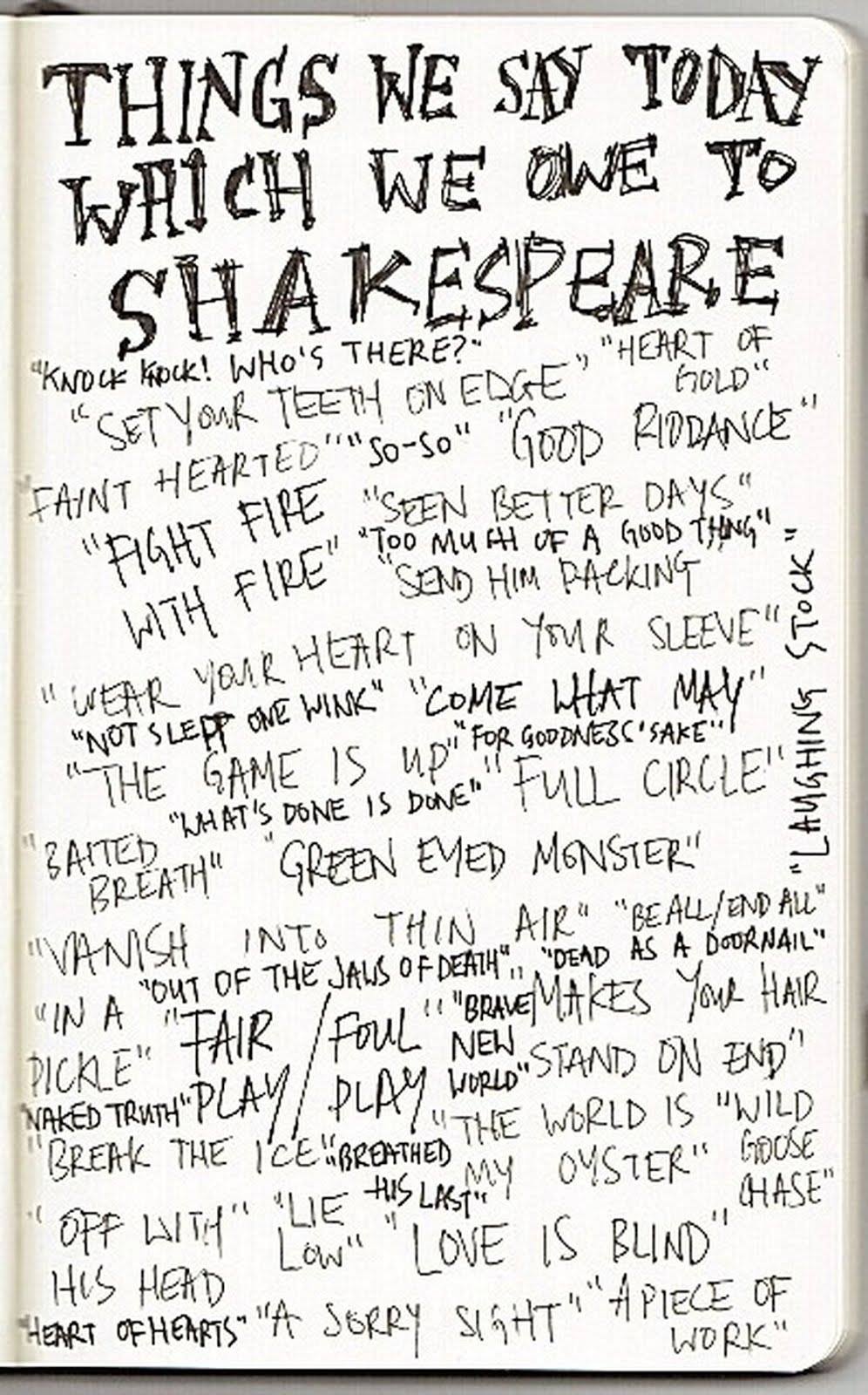
1. According to the Oxford Dictionary of Quotations, Shakespeare wrote close to a 1/10 of the most quoted lines ever written or spoken in English.What’s more, according to the Literary Encyclopaedia, Shakespeare is the second most quoted English writer after the writers of the Bible.

2. Shakespeare has been credited by the Oxford English Dictionary with introducing almost 3,000 words to the English language. Estimations of his vocabulary range from 17,000 to 29,000 words – at least double the number of words used by the average conversationalist.

3. Shakespeare never published his plays. They are known today only because two of his fellow actors – John Hemminges and Henry Condell – recorded and published 36 of them posthumously under the name The First Folio, which is the source of all Shakespeare books published.

Shakespeare never published his plays.
Image source: wikipedia.org

4. Copyright didn’t exist in Shakespeare’s time, so there was a thriving trade in copied plays. To help counter this, actors got their lines only once the play was in progress, often in the form of cue acting where someone backstage whispered them to the person shortly before he was supposed to deliver them.

5. Aside from writing 38 plays and composing 154 sonnets, Shakespeare was also an established actor. He performed in many of his own plays as well as those of his contemporaries, such as Ben Jonson.

6. “William Shakespeare” is an anagram of “I am a weakish speller”, “I’ll make a wise phrase”, “Lame Swahili speaker” and “Hear me as I will speak”.

7. The moons of Uranus are named after Shakespearean characters. The moons were originally named in 1852 after magical spirits from English literature. The International Astronomy Union subsequently developed the convention to name all further moons of Uranus (of which there are 27) after characters in Shakespeare’s plays or Alexander Pope’s The Rape of the Lock.

The moons of Uranus are named after Shakespearean characters.
Image source: daviddarling.info

8. Shakespeare had close connections with King James I. The King made the actors of Shakespeare’s company ‘Grooms of Chamber’, in response Shakespeare changed the company’s name from the ‘Lord Chamberlain’s Men’ to the ‘King’s Men’. The new title made Shakespeare a favourite with the King and in much demand for Court performances.

9. Unlike most artists of his time, Shakespeare died a very wealthy man with a large property portfolio. He was a brilliant businessman – forming a joint-stock company with his actors meaning he took a share in the company’s profits, as well as earning a fee for each play he wrote.

10. There are more than 80 variations recorded for the spelling of Shakespeare’s name. In the few original signatures that have survived, Shakespeare spelt his name “Willm Shaksp,” “William Shakespe,” “Wm Shakspe,” “William Shakspere,” ”Willm Shakspere,” and “William Shakspeare”. There are no records of him ever having spelt it “William Shakespeare”, as we know him today.

There are more than 80 variations recorded for the spelling of Shakespeare’s name.
Image source: public.wsu.edu

11. The original Globe Theatre came to a premature end in 1613 during a performance of Henry VIII, when a cannon set light to the thatched roof. Within two hours the theatre was burnt to the ground. It was rebuilt in 1614.

12. The Royal Shakespeare Company sells more than half a million tickets a year for Shakespeare productions at their theatres in Stratford-on-Avon, London and Newcastle.

13. Nobody knows Shakespeare’s true birthday. It’s celebrated on April 23 – three days before his baptism, which was recorded on April 26, 1564. However, as Shakespeare was born under the old Julian calendar, what was April 23 during Shakespeare’s life would actually be May 3 according to today’s Gregorian calendar.

Celebrating Authors of April

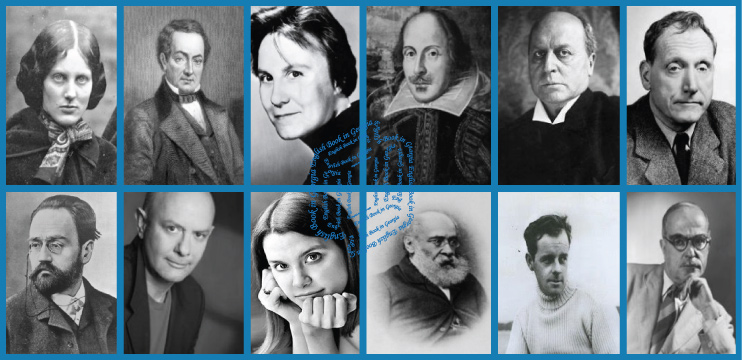
This week we celebrate authors of the past and present who had birthdays in the month of April. Check them out below.

aprilauthors
Top Row (L-R): Charlotte Brontë, Washington Irving, Harper Lee, William Shakespeare, Henry James, Robert Penn Warren Bottom Row (L-R): Émile Zola, Nick Hornby, Nell Freudenberger, Anthony Trollope, Alistair MacLean, Thornton Wilder

Émile Zola  

(April 2, 1840 – September 29, 1902)

Zola was a French writer, the most well-known practitioner of the literary school of naturalism and an important contributor to the development of theatrical naturalism. Zola was nominated for the first and second Nobel Prize in Literature in 1901 and 1902.

[button color=”blue” size=”small” link=”http://onlinebookshop.ge/?product=macmillan-readers-therese-raquin-without-cd” target=”blank” ]Buy the Book[/button]

Washington Irving         

(April 3, 1783 – November 28, 1859)

Irving was an American author, essayist, biographer, historian, and diplomat of the early 19th century. He is best known for his short stories Rip Van Winkle (1819) and The Legend of Sleepy Hollow (1820).

[button color=”blue” size=”small” link=”http://onlinebookshop.ge/?product=macmillan-readers-the-legends-of-sleepy-hollow-and-rip-van-winkle-without-cd” target=”blank” ]Buy the Book[/button]

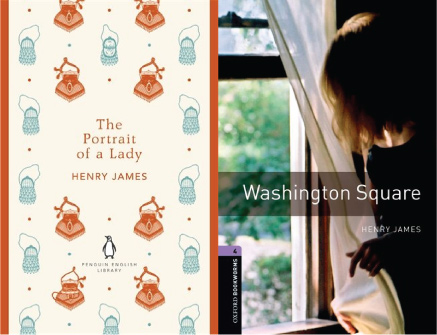
Henry James       

(April 15, 1843 – February 28, 1916)

James was an American-British writer who spent most of his writing career in Britain. He is regarded as one of the key figures of 19th-century literary realism.

jamesbooks

[button color=”blue” size=”small” link=”http://onlinebookshop.ge/?s=henry+james&post_type=product” target=”blank” ]Select your Book[/button]

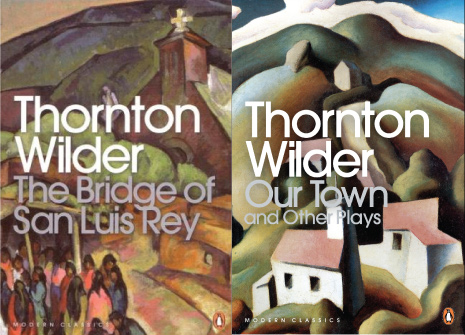
Thornton Wilder    

(April 17, 1897 – December 7, 1975)

Wilder was an American playwright and novelist. He won three Pulitzer Prizes—for the novel The Bridge of San Luis Rey and for the two plays Our Town and The Skin of Our Teeth.

wilderbooks

[button color=”blue” size=”small” link=”http://onlinebookshop.ge/?s=Thornton+Wilder&post_type=product” target=”blank” ]Select your Book[/button]

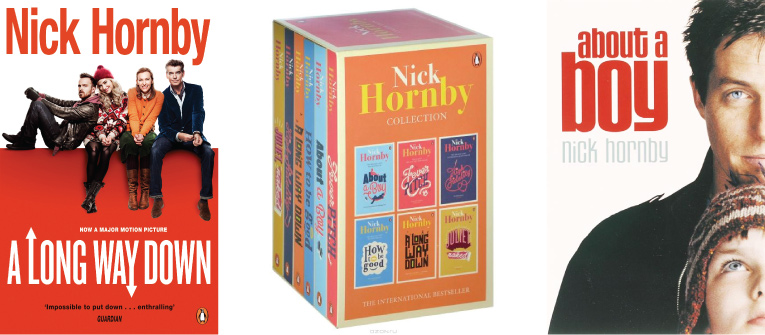
Nick Hornby 

(April 17, 1957 – Present)

Hornby is an English novelist, essayist, lyricist, and screenwriter. He is best known for his novels High Fidelity and About a Boy. Hornby’s work frequently touches upon music, sport, and the aimless and obsessive natures of his protagonists. His books have sold more than 5 million copies worldwide as of 2009

hornbybooks

[button color=”blue” size=”small” link=”http://onlinebookshop.ge/?s=Nick+Hornby&post_type=product” target=”blank” ]Select your Book[/button]

Charlotte Brontë

(April 21, 1816 – March 31, 1855)

Brontë was an English novelist and poet, the eldest of the three Brontë sisters who survived into adulthood and whose novels have become classics of English literature. She first published her works (including her best known novel, Jane Eyre) under the pen name Currer Bell.

[button color=”blue” size=”small” link=”http://onlinebookshop.ge/?product=jane-eyre” target=”blank” ]Buy the Book[/button]

Alistair MacLean  

(April 21, 1922 – February 2, 1987)

MacLean was a Scottish novelist who wrote popular thrillers and adventure stories.

[button color=”blue” size=”small” link=”http://onlinebookshop.ge/?product=night-without-end” target=”blank” ]Buy the Book[/button]

Nell Freudenberger 

(April 21, 1975 – Present)

Freudenberger is an American novelist who has written book reviews for The New York Times, The New Yorker, Vogue and The Nation.

[button color=”blue” size=”small” link=”http://onlinebookshop.ge/?product=newlyweds” target=”blank” ]Buy the Book[/button]

Anthony Trollope    

(April 24, 1815 – December 6, 1882)

Trollope was one of the most successful, prolific and respected English novelists of the Victorian era.

[button color=”blue” size=”small” link=”http://onlinebookshop.ge/?product=barchester-towers” target=”blank” ]Buy the Book[/button]

Robert  Penn Warren    

(April 24, 1905 – September 15, 1989)

Warren was an American poet, novelist, and literary critic and was one of the founders of New Criticism. He received the 1947 Pulitzer Prize for the Novel for his novel All the King’s Men (1946) and the Pulitzer Prize for Poetry in 1958 and 1979.

[button color=”blue” size=”small” link=”http://onlinebookshop.ge/?product=all-the-kings-men” target=”blank” ]Buy the Book[/button]

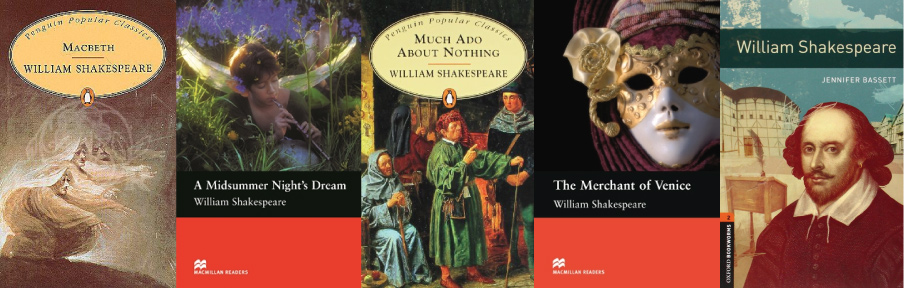
William Shakespeare  

(April 23-26, 1564 – April 23, 1616)

Shakespeare was an English poet, playwright, and actor, widely regarded as the greatest writer in the English language and the world’s pre-eminent dramatist. He is often called England’s national poet and the “Bard of Avon”.

shakespearebooks

[button color=”blue” size=”small” link=”http://onlinebookshop.ge/?s=Shakespeare&post_type=product” target=”blank” ]Select your Book[/button]

Harper Lee 

(April 28, 1926 – Present)

Lee is an American novelist widely known for her 1960 Pulitzer Prize-winning To Kill a Mockingbird which deals with the racism she observed as a child in her hometown of Monroeville, Alabama. Though Lee only published this single book for half a century, she was awarded the Presidential Medal of Freedom for her contribution to literature.

[button color=”blue” size=”small” link=”http://onlinebookshop.ge/?product=to-kill-a-mockingbird” target=”blank” ]Buy the Book[/button]

William Shakespeare Activities

Its William Shakespeare week and we have some Shakespeare activities that you can do with your English class that are fun and educational. Enjoy!


1. Who am I?

Tell your students to imagine that you’re a very famous Briton! Get them to ask you ‘yes/no’ questions until they guess who you are. (You are Shakespeare!)

If you want to, play a few more rounds of the guessing game using other famous Britons, or use it in another class to practice question forms again.

Alternatively, write an anagram of WILLIAM SHAKESPEARE such as MALILIW RAKESHAPEES on the board and have a race to see which student can find the name first.


2. Shakespeare Mind Map

Once you have established that Shakespeare is going to be the topic for the lesson, write the word Shakespeare with a little picture if you are artistic, inside a bubble on the board. Ask students what they know about him or what comes to mind when they think about William Shakespeare. This will help you to know how much or how little your students already know in order to gauge the level of input for the class.


 WILLIAM SHAKESPEARE


3. Shakespeare Quiz

Here is the printout for the Shakespeare Quiz (make sure not to include the answers):

[box type=”shadow” align=”aligncenter” ]How much do you know about William Shakespeare? Try this quiz to find out.

1) When was William Shakespeare born?

a) 1498

b) 1564

c) 1895


2) What period in English history was it when Shakespeare was alive?

a) Elizabethan

b) Georgian

c) Victorian


3) Which of these plays was not written by Shakespeare?

a) Hamlet

b) Romeo and Juliet

c) The Taming of the Rat


4) Where was Shakespeare born?

a) Stratford Upon Avon

b) Cambridge

c) Oxford


5) How many plays did Shakespeare write?

a) 8

b) 38

c) 108


6) Which type of plays did Shakespeare not write?

a) Tragedies

b) Comedies

c) Musicals


7) What’s the name of the ‘Shakespeare theatre’ in London?

a) The World Theatre

b) The Globe Theatre

c) The Old Shakespeare Theatre


8) Who played Romeo in the most recent film version of ‘Romeo and Juliet’?

a) Leonardo Dicaprio

b) Johnny Depp

c) Brad Pitt[/box]


Quiz Answers:

1-b, 2-a, 3-c, 4-a, 5-b, 6-c, 7-b, 8-a


4. Information gap reading.

Put students into pairs to do this activity. It’s very important that your students don’t look at each others’ texts during the task so make this clear when you give the instructions. If this type of task is new to your students, demonstrate it with one of the stronger students before the class begin. Before students begin speaking they need to read the text carefully and prepare the questions that they are going to ask their partner. The first question is given as an example. You may need to help your students write the questions.

Here’s the complete text for you to check the students’ answers.

William Shakespeare was a poet and a playwright, and is widely regarded as the greatest writer in the English language. He was born in Stratford-upon-Avon, in central England, in 1564 and he died in 1616. His surviving work consists of 38 plays, 154 sonnets (a special type of poem with 14 lines), and some other poems. He is best known for his plays which have been translated into every major language and are performed more than those of any other playwright in the world.

When William Shakespeare was 18 years old he married Anne Hathaway, and they had three children. Shakespeare went to London to work as an actor and a writer. In 1599 the Globe Theatre was built in London and it was in this theatre, situated on the banks of the River Thames, that some of Shakespeare’s plays were first performed. In 1613 the theatre was destroyed by a fire. However, a modern reconstruction of the theatre was built near the original site in 1997 so even today you can go to the Globe Theatre to see one of Shakespeare’s plays.

Here are the printouts for Student A and B:

[box type=”shadow” align=”aligncenter” ]Student A

Text adapted from Wikipedia – http://en.wikipedia.org/wiki/William_Shakespeare

William Shakespeare was a poet and a playwright, and is widely regarded as the greatest writer in the English language. He was born in 1) _____________________, in central England, in 1564 and he died in 2)_______. His surviving work consists of 38 plays, 154 sonnets (a special type of poem with 14 lines), and some other poems. He is best known for his 3) ______ which have been translated into every major language and are performed more than those of any other playwright in the world.

When William Shakespeare was 18 years old he married 4) ______________, and they had three children. Shakespeare went to 5) ________ to work as an actor and a writer. In 1599 the Globe Theatre was built in London and it was in this theatre, situated on the banks of the River Thames, that some of Shakespeare’s plays were first performed. In 6) _______the theatre was destroyed by a fire. However, a modern reconstruction of the theatre was built near the original site in 1997 so even today you can go to the Globe Theatre to see one of Shakespeare’s plays.

Prepare your questions here (the first one is done for you):

1) Where was Shakespeare born?

2)

3)

4)

5)

6)[/box]


[box type=”shadow” align=”aligncenter” ]Student B

Text adapted from Wikipedia – http://en.wikipedia.org/wiki/William_Shakespeare

William Shakespeare was a poet and a playwright, and is widely regarded as the greatest writer in the English language. He was born in Stratford-upon-Avon, in central England, in 1) _____ and he died in 1616. His surviving work consists of 2)____ plays, 154 sonnets (a special type of poem with 14 lines), and some other poems. He is best known for his plays which have been translated into every major language and are performed more than those of any other playwright in the world.

When William Shakespeare was 3) ______ years old he married Anne Hathaway, and they had 4)_______ children. Shakespeare went to London to work as an actor and a writer. In 5) ______ the Globe Theatre was built in London and it was in this theatre, situated on the banks of the River Thames, that some of Shakespeare’s plays were first performed. In 1613 the theatre was destroyed by a 6) ______. However, a modern reconstruction of the theatre was built near the original site in 1997 so even today you can go to the Globe Theatre to see one of Shakespeare’s plays.

Prepare your questions here (the first one is done for you):

1) When was Shakespeare born?

2)

3)

4)

5)

6)[/box]

5. Find somebody who…

The aim of this task is to get students talking to each other. Your students may well be familiar with the classic ‘Find Somebody Who..’ task. First get students to complete the last row with something they’d like to find out about their classmates, then remind students how important the extra information column is. Demonstrate a few of the question forms or elicit these from students and if necessary write the questions on the board to support weak students during the task. For example, ‘Can you name three of Shakespeare’s plays?’ and ‘Have you ever seen a film of a Shakespeare play?’ etc. When your students are ready to start, make sure everyone is standing up and has something to lean on and a pen with them, and off they go. As students are speaking to each other and completing the table make sure you monitor carefully so you can offer some constructive feedback at the end.

Here is the printout for your students:

Find someone who                Name                                Extra information           
…can name three of Shakespeare’s plays.
…has seen a film of a Shakespeare play.
… likes going to the theatre.
 … would like to be a writer.
… would like to be an actor / actress.


6. Complete the Shakespeare Quotes

This is a task for higher levels, as it’s quite challenging. Put students into small groups or pairs and give your students time to try and match the quotes. If you like, cut up a set of quote halves so students can move them around on a table to experiment with different combinations. Encourage your students to look for words that normally go together, such as ‘borrow and lend’ or ‘blind and see’. Then check their answers and ask them what they understand by them.

Here is the printout for your students (make sure not to include the answers):

Here are some famous quotes from Shakespeare. Can you match the two halves to make the quote?

 All the world’s a stage  that I shall say good night till it be morrow.
 Love is blind  never did run smooth
 that is the question  Neither a borrower
 and lovers cannot see  Good Night, Good night! Parting is such sweet sorrow,
 what’s done is done  To be, or not to be:
 and all the men and women are merely players  Things without remedy should be without regard;
 wherefore art thou Romeo?  The course of true love
nor a lender be  O Romeo, Romeo!


Answers:

All the world’s a stage and all the men and women are merely players

Love is blind and lovers cannot see

Neither a borrower nor a lender be

Good Night, Good night! Parting is such sweet sorrow, that I shall say good night till it be morrow.”

To be, or not to be: that is the question

Things without remedy should be without regard; what’s done is done

The course of true love never did run smooth

O Romeo, Romeo! wherefore art thou Romeo?


9 Humor Strategies to Use in the Classroom

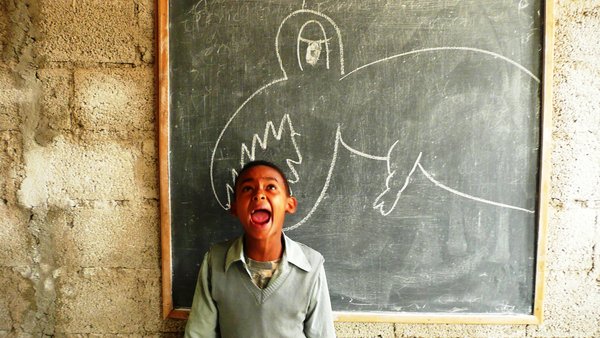
Image Source: www.travelblog.org, Classroom fun, Addis Ababa, Ethiopia

Even if you are “humor challenged,” there are things you can do to lighten the load and dissipate the clouds in your classroom. Just remember, above all, that sarcasm has no place in the school. Only “no hurt” humor is acceptable.

  1. Laugh at yourself — when you do something silly or wrong, mention it and laugh at it
  2. Add humorous items to tests, homework or class assignments — even at the University, one of my favorite options when I give multiple choice exams requiring students to identify pairs of psychologists is Calamari and Endive. It always gets smiles, and helps to break exam tension
  3. Keep a quotable quotes bulletin board or corner in your room — look for humor quotes and post them and encourage your students to do the same
  4. Keep a cartoon file, and have an area where you can display one or two a day on a rotating basis, with students making the choice
  5. Have Joke Friday — ask students to bring in jokes to share, either to start the day on Friday, to make a transition between lunch and the following class, or at the end of the day (be sure to screen the jokes in advance, of course)
  6. Ask students to try to build humor into occasional writing assignments — that will start a conversation about what it funny, how they know something is funny, why different people find some things funny but some things are funny to almost everyone
  7. Have a funny hat day, or mismatched socks day, or some other funny dress-up time
  8. Build creative and humorous thinking by showing cartoons and picture without captions and asking students to create them — individually, in pair-shares, or small groups
  9. Ask students to bring in books they think are funny. Ask them to talk about why, and to use examples from the book.

Let’s add some more enjoyment to school. We don’t need guffaws — a smile and a little levity can go a long way. It’s time for us educators to take humor more seriously.

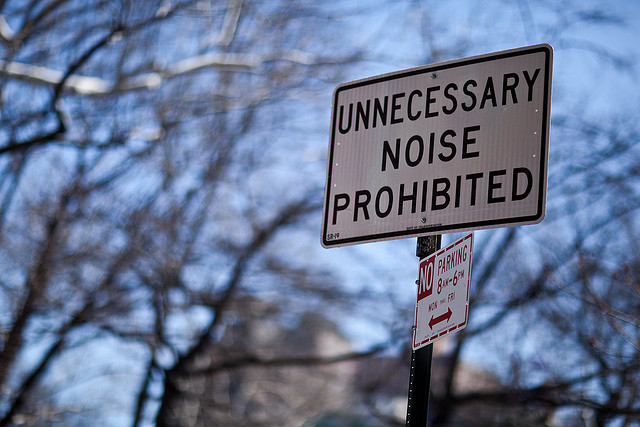
15 Techniques to Quiet a Noisy Class

Have you fallen into the trap of saying “No talking!” or “I need quiet!” all day long? It’s exhausting to keep repeating your requests for silence, and after the hundredth time, kids just tune you out, anyway. There have been some great discussions about how to get students to quiet down and we want to share what’s worked for teachers in their classroom. Teachers’ names are written in parentheses where applicable.

1. Sing a song.

For the youngest students, use finger plays like the Itsy Bitsy Spider and Open, Shut Them. Students of any age will respond to simple tunes and call-backs, such as “Dadadadadada…Da da!” and “Bum, bada bum bum…Bum, bum!”  Since Scott R. loves sports, he starts singing the ESPN tune and has the kids finish it. Bianca G.  sings the Wada Wada Bing Bang song with her class, and says, “If they are singing they can’t be talking. The goal is not to sing it more than once.”

2. Play a song.

If you’re not comfortable singing with your class, try playing music on your computer or CD player. You can use kids’ songs, popular music, classical or jazz songs you want to expose the kids to, songs related to your unit of study, etc. I like to use clips of shorter songs–just thirty to sixty seconds. Use the same song daily for several weeks, and teach kids that when the music stops, instruction begins.

3. Use a special sound.

Bethany M. uses a zen chime with a long sustain. She told her students to listen quietly to the chime and raise their hands when it stopped ringing. It became like a game: “The students would strain to hear it–no one wanted to be the first to raise their hand. Within two seconds, it was so silent you could have heard a pin drop.”

Here are some other ideas for sound signals:

a)      bells

b)      wind chimes

c)       buddha bowls

d)      tingshas

e)      triangles

f)       rattles

g)      rainsticks

h)      harmonicas

i)        train whistles
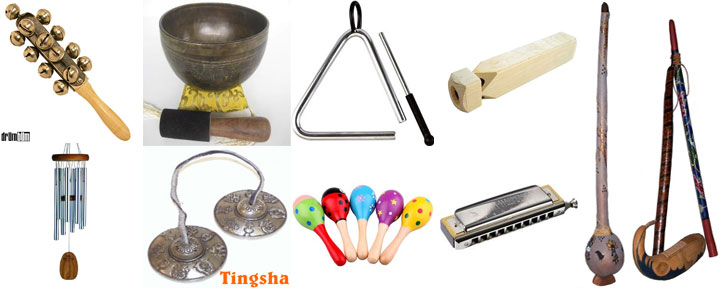
instruments

4. Clap out a rhythm.

Leigh E. says, “I will walk over near a few students and in a calm, normal-volume voice say, ‘Clap twice if you can hear me.’ The few students will clap. Then, I repeat it again. Now, more students are quiet and listening. I will calmly repeat (changing the number of claps) until I have the attention of the entire room. Typically, this will quiet a classroom within 20 seconds, and an auditorium or cafeteria of hundreds of students in less than a minute. I have been using this for years, and it still works!”

5. Get kids moving.

Call-and-responses that include some kind of physical movement are especially effective. Marina T. uses this one: “Drop it [they have to actually drop what’s in their hands], Zip it [mouths are closed], Lock it [all eyes are locked on the teacher.] Then we all clap once together.” Stephanie W. uses this: “Take a seat, take a seat…Take a load off your feet, whoop whoop [raise arms on the whoop whoop].” Another idea is to play a Simon Says-like game: “If you can hear me, put your hands on your head” and so on with different directions to get kids moving.

6. Do a countdown.

For example, you could say, “When I get to zero, I need you the room to be completely quiet. 10, 9, 8…” When time is up, move on to the next activity just like you said you’d do, and let stragglers catch up without acknowledging them except to help as needed. If you’re consistent with this, students will learn you mean what you say and they have to keep pace! Diana S. trained her third graders in what she calls the Five Finger Technique: “Any time I held my hand in the air, any child who saw it started counting to 5, and by the time we got there everyone should have stopped, faced me, closed their mouths and opened their ears.” Since she taught on a reservation, sometimes she did the countdown in her students’ native language, as well.

7. Try a hand signal.

Jenni S. shares this tip she uses with her eighth grade class: “I say, ‘Teaching in 5, teaching in 4, teaching in 3,’ all the way down to 1. We rehearse this in the beginning of the year. I hold up my hand and use my fingers as I talk. By the middle of the year, I don’t even say it anymore, I just put my hand up and the kids quiet down by 1.”

8. Use sign language.

I like to teach students the signs for quiet, stand up, sit down, line up, and other basic directions. It’s much gentler (and less exhausting) to show a sign all day long than to keep repeating yourself! When you want quiet, simply show the sign for quiet and have students mimic it back. Here’s an article on various sign language signs for the classroom and how to use them.

9. Fill the room with quiet sprinkles.

This is a great one for the PreK-2 set, especially if you have a dramatic flair. Decorate a small container with glitter and sparkles and label it “Quiet Sprinkles.” Tell the class, “When I sprinkle these imaginary sprinkles on your head, you will become quiet and freeze, just like magic! Watch how it works!” and pretend to sprinkle some on a child’s head. Make a big show of gliding around the room and sweeping the sprinkles over your students. If you use this technique more than once or twice a month, it will lose its effectiveness, but it’s a lot of fun!

10. Try marshmallows and bubbles.

Beth O. tells her students to “pop a marshmallow in.” Right after she says the words, she puffs up her cheeks and taps them, and the kids do the same with their own cheeks (which stops them from talking.) She then makes eye contact with individual children as needed and taps one her puffed cheeks as a reminder. Elizabeth D. calls does something similar, but calls it “putting bubbles in your mouth” and says, “Remind students to have bubbles before you leave class and whenever needed! Works amazingly, and they are so cute when they do it!”

11. Get playful. 

There’s not much time in the average classroom for play, so attention-getters can be a quick and easy way to incorporate some FUN in your classroom!  Elissa S. says, “Sometimes I have a code word. At the moment it’s BANANA BREAD and when students hear it, they grab their ears with the opposite hand crossed in front of them.” Christopher O. uses a microphone and walks around like a talk show host. Lynda P. says, “Avengers, assemble for further instructions!”  Sharris H., who teaches English in a computer lab, says “Jazz hands!” to get students’ hands off keyboards  so she can have their attention.

12. Get sneaky.

JulieAnn S. says, “Talk softly to one group of students…the rest will want to hear what you are saying.” Lori S. advises, “Speak in an accent they don’t normally hear. They will all look to see who came in the room.” Barry G.  tells his high schoolers, “Please don’t listen to what I’m about to say because I’ll probably be fired if they find out I said it. It gets concert-hall quiet!”

13. Use a concrete reminder.

Tracy C. uses a visual. She tells us, “I have a wand and attached a big check mark at the top (printed from the computer). I trimmed the check mark in red sparkly garland. I teach the kids on the first day of school when I hold the sign up that they are to ‘check in’. Whenever someone is chatty or not paying attention, I hold the sign in the air. The good listeners will inform the student who is breaking the rule by pointing to the sign. I never have to say a thing. The ‘check in” sign has been one of my classroom management tools for years.” Toni L. uses a wind up music box: “I wind it on Monday. Every time the class is noisy, I open it. If there is still music left on Friday, the class earns a treat.” If you don’t like to give tangible rewards to students, make the reward a class dance-off: play a favorite song for 2 or 3 minutes on Friday afternoon right before dismissal and let the kids have some fun!

14. Make it educational.

Robert B. teaches math, and tells his students, “Give me a factor of ___” and the kids hold up the correct number of fingers (i.e. “Give me a factor of 36″ and the kids hold up 6 fingers.)

15. Change techniques once a month or quarter to keep things fresh.

Anne P. advises, “Practice one attention grabber for two weeks, and praise, praise, praise when students respond as requested. Introduce another grabber once they have mastered the last, making it a treat to learn something new.”

Remember there is no “magic bullet” that will get all students’ attention all of the time. Don’t get frustrated! Constantly having to refocus your class is a normal part of teaching. Take a deep breath, smile, and keep encouraging your students. You can do this!