Category Archives: Primary Learners







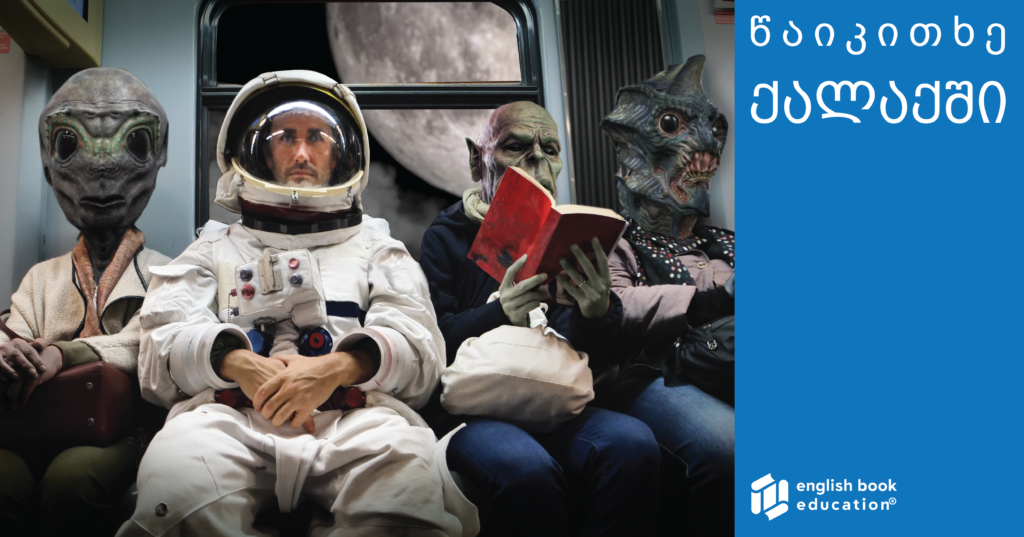
#Minibookfairs Week 3

#minibookfairs
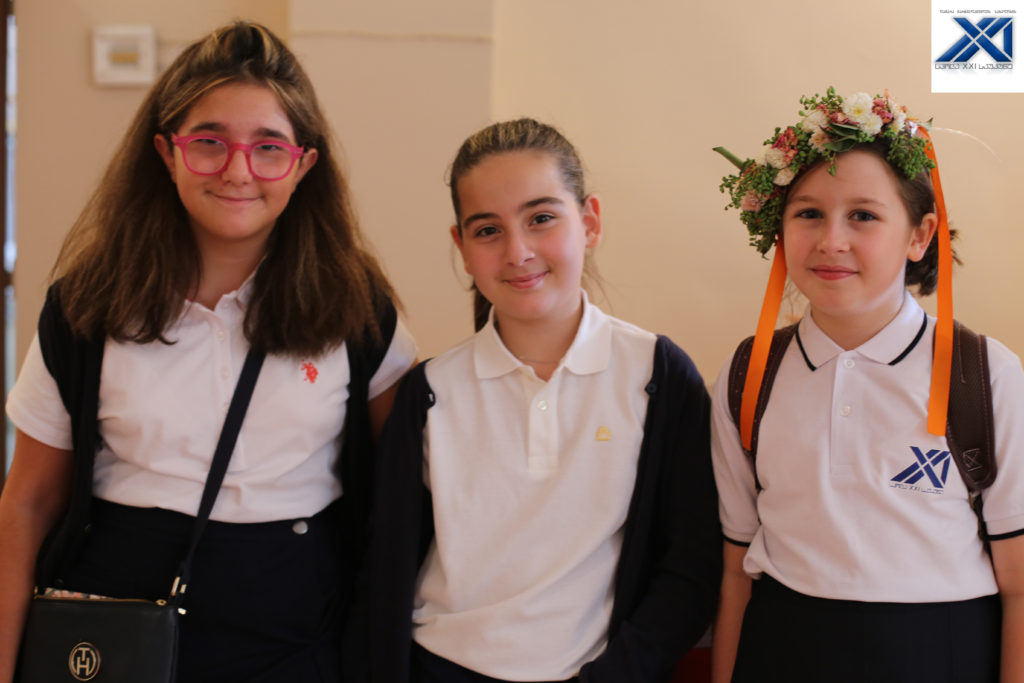
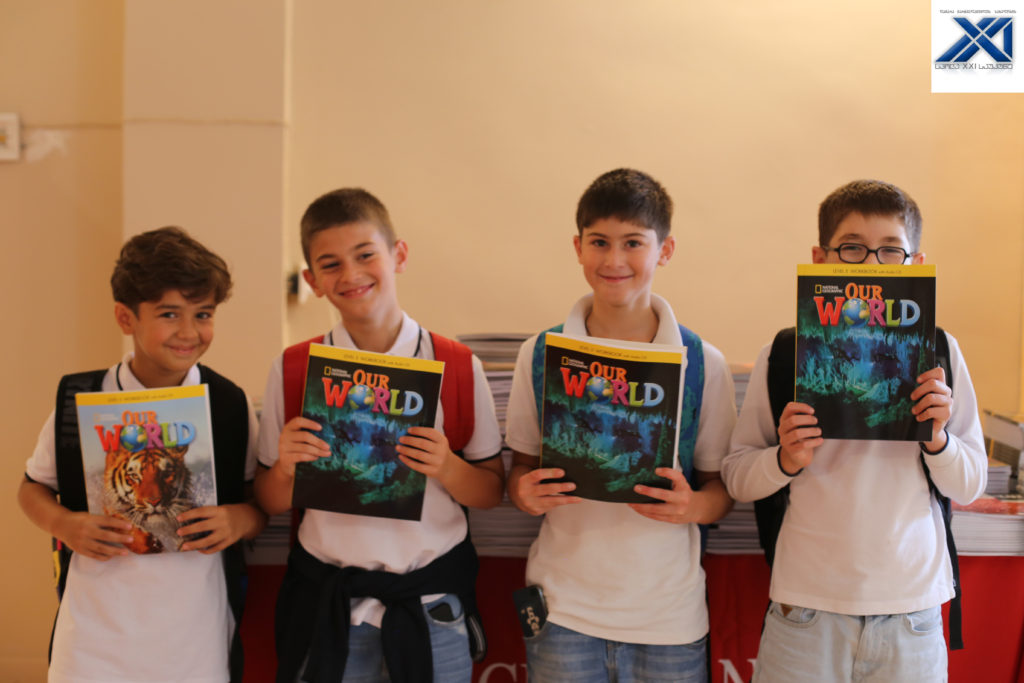
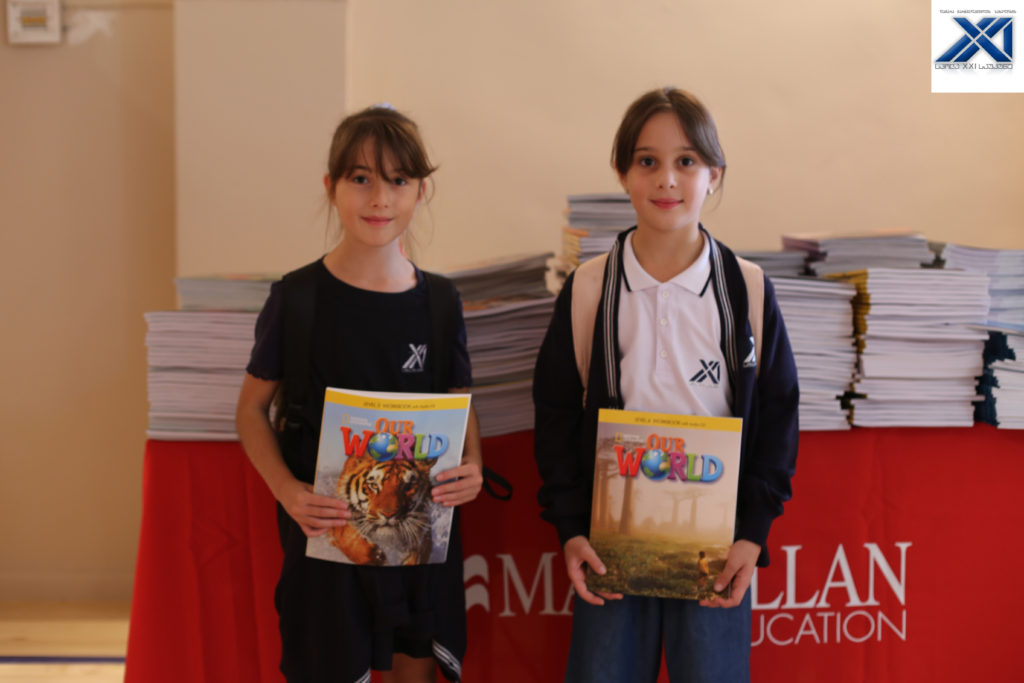
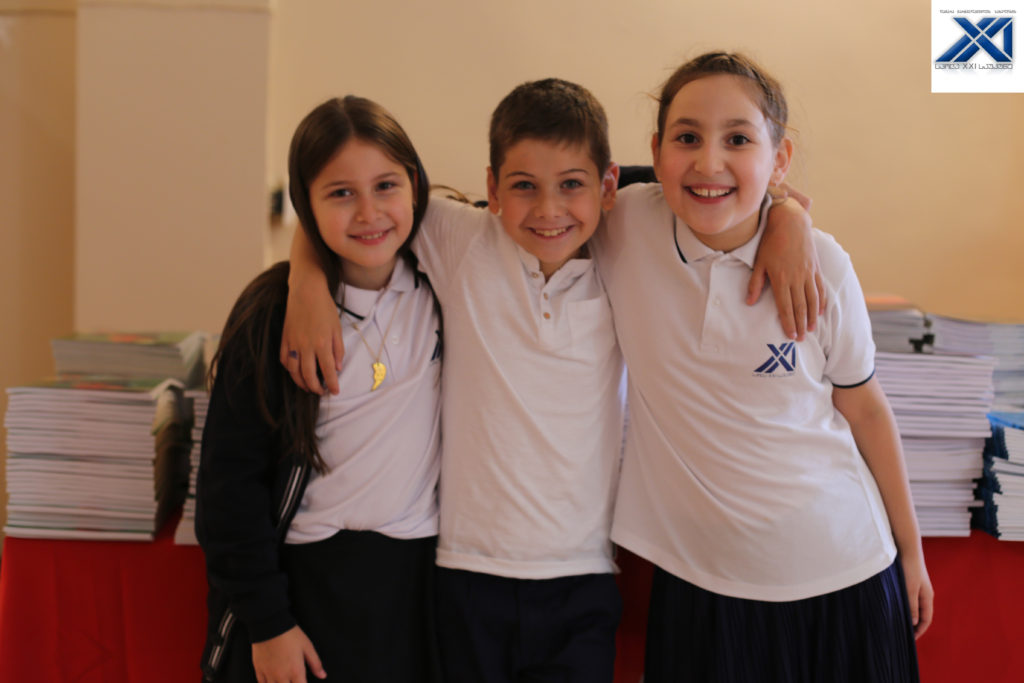
This week we are having #minibookfair at 21st Century. Parents, are you ready for back-to-school? Teachers, would you like to share some great parenting articles with students’ families?
This is what we have prepared for you

Curiosity: The Metaskill to Thrive in the 21st Century
The ability to learn faster than others is a competitive advantage. To thrive in an uncertain and complex world doesn’t depend on the skills your team has, but on those they can acquire. Learning is a force for change. But how can your employees develop a learning mindset?
The answer is both simple and complex — organizations must recover the power of curiosity. Simple because curiosity is something wired into our DNA. Complicated because our learning approach is broken. We keep teaching kids to think like machines. And machines to think like adults.
For years, scientists have been trying to replicate the wrong mind — that of an adult. Teaching machines to defeat a chess master is easy — but machines cannot think like a 4-year-old.
The father of computer science and artificial intelligence was onto something back in the 1950s.
“Instead of trying to produce a program to simulate the adult mind, why not rather try to produce one which simulates the child’s?” — Alan Turing
It took us 60 years to finally bring computer scientists and developmental psychologists together to decipher the formula of curiosity. The secret to learning lies in kindergarten, not in the adult brain.
Develop a Learning Mindset
Unlike adults, kid’s learning process is driven by curiosity. Everything your organization needs to know about learning; you can borrow it from kindergarteners.
1. Play to learn; learn to play
There’s a critical connection between students’ well-being, sense of belonging, and their academic achievement.For young kids, learning is not tied to any reward — like acing a test. Curiosity is a way of life — playing and learning are two sides of the same coin. It’s not a burden imposed by others, but an innate desire.
If you feel good, you learn better. Organizations should emphasize the development of social skills instead of promoting high achievement. Increased self-awareness, creativity, collaboration, and communication are vital to developing a learning mindset.
2. Learning makes time go slower
Time seems to speed up as we grow older. But, it slows down when we face new experiences or visit new places. The more information our minds process, the slower time seems to pass. That’s one of the laws of psychological time, as Bob Clagett describes in his book Making Time. Our perception of time is caused by the relationship between our experience of time and the amount of information our minds take in.
The world is a fascinating place — full of new perceptions, experiences, and thoughts. Children know this. That’s why they are curious. When you are busy exploring the world, time slows down.
3. Learning requires emptying your mind
When I ask an adult in one of my workshops to draw, they get paralyzed. “I don’t know how to draw.” When I ask a child, they immediately start drawing. It’s not that kids know how to draw — they don’t think in right-or-wrong terms. Curiosity keeps our mind thirsty for more experiences. To learn something new requires emptying your mind. What you know is an obstacle for incorporating new ideas.
The mind can’t hold attention for more than 10 minutes — your short-term memory gets filled quickly. Neuroscientists recommend taking regular breaks.
4. Active learning happens in the real world
New situations expand our consciousness — being in an office limits our curiosity.
In the famous Marshmallow Challenge experiment, kindergarteners build taller towers than business school students. The reason: they plan and create at the same time. Adults design first and, only then, start touching the materials.
Psychologists call it active learning — the ability to go out into the world and experiment. Instead of taking data someone else presents, kids learn from direct interaction.
Kids don’t observe the world — they experience it. By experimenting — seeing, touching, playing — they get data to solve their problems.
5. Social learning: the power of collaboration
We learn faster, and better, working with others than on our own.
Kids are social learners — they don’t learn in isolation. They are continually interacting with other children, teachers, and parents.
As Alison Gopnik explains here, children use theory of mind to decide whether and how to learn from others. They try to understand what’s going on in other people’s mind.
Young children observe others’ behavior and try to infer if people are trying to teach them to perform a specific task or not. Machines are not yet there in understanding basic theory of mind, let alone using those inferences.
Curiosity is the most critical metaskill to thrive in a fast-changing world. Your organization success depends on relearning how to learn.
The secret lies in kindergarten. Instead of trying to get children to think like adults, train your team to think more like children.
Source: Author: Gustavo Razzetti, in Print: Stretch for Change: How To Improve Your Change Fitness And Thrive In Life
#minibookfairs week 2
#minibookfairs
This week we are having #minibookfair at European School. It is the time of the year when parents and kids are preparing for the new academic year and we are always there to support them.
Some key points to remember about the ‘back to school’:
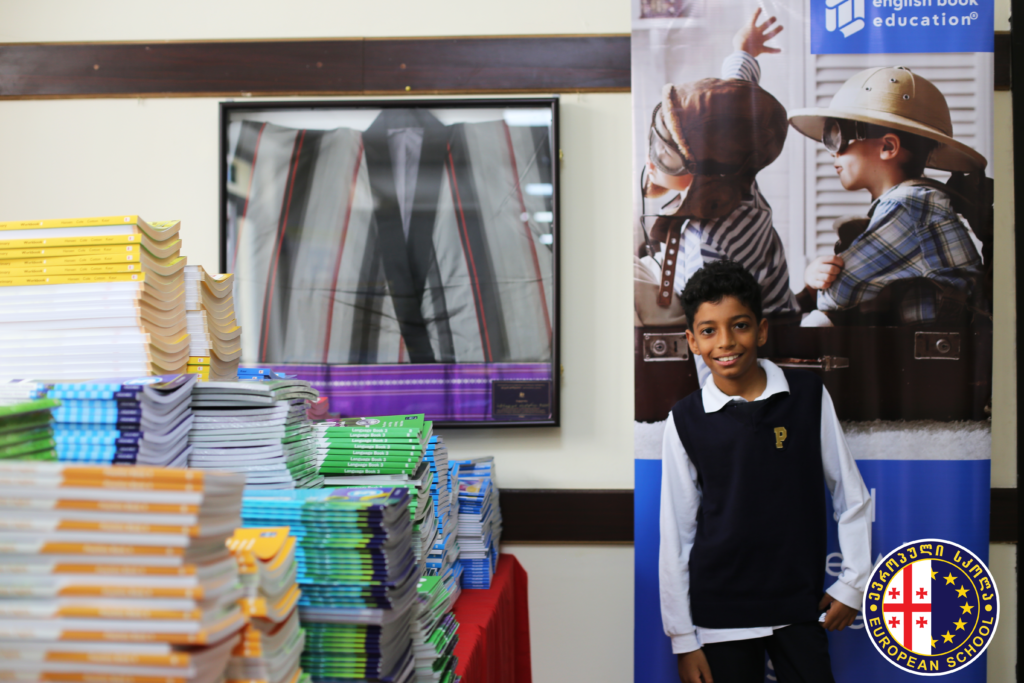
Back to School
Most teachers kick off the school year by introducing themselves and talking about all the stuff you’ll be doing that year. Some teachers give students a chance to tell something about themselves to the rest of the class.
When teachers do the talking on the first day, they often go over classroom rules so you’ll know what’s allowed and what’s not. Pay close attention so you’ll know if you need to raise your hand to ask a question and what the rules are about visiting the restroom.
You might already know a lot of kids in your classes on the first day. But it’s a great day to make a new friend, so try to say hello to kids you know and new ones that you don’t. Make the first move and you’ll be glad you did and so will your new friend!
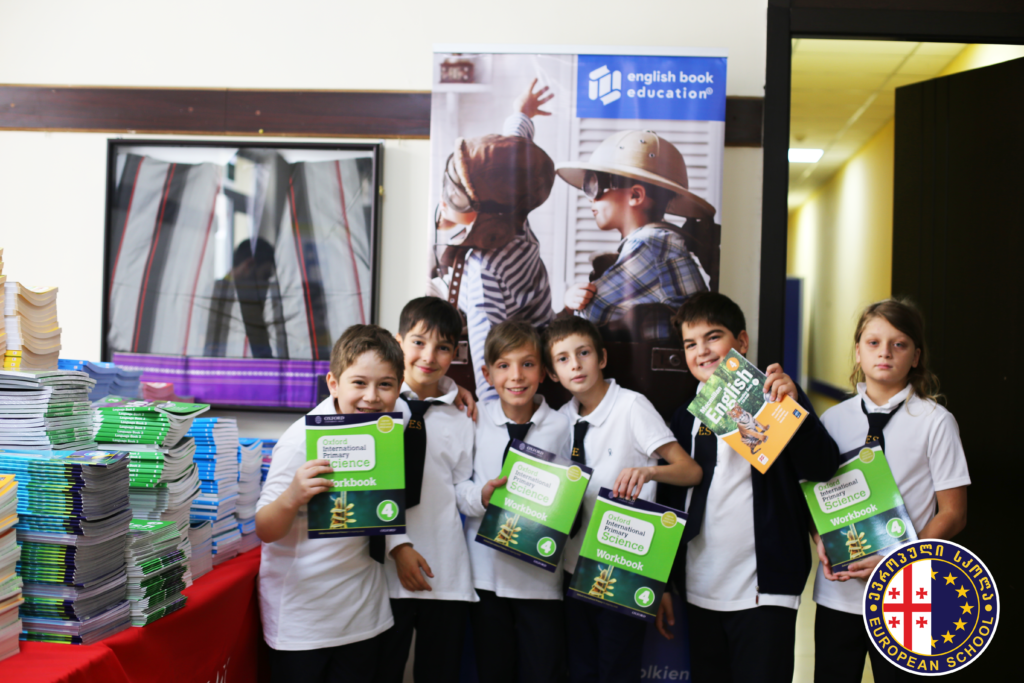
Feeling Good on Day One
Seeing friends, you haven’t seen in a while can make the first day a good one. You also can make the day feel special by wearing an outfit you like. Maybe you got a great T-shirt on vacation, or your new sneakers put a spring in your step. If you wear a uniform, you might wear a favourite watch, a new hair band, or a piece of jewellery to show your personal style.
It can make you feel good to be prepared and have all the supplies you need. Some schools distribute supply lists before the year begins, so you can come stocked up on pencils, folders, and whatever else you’ll be needing.
Whatever you put in your backpack, make sure you pack it the night before. This prevents the morning panic when you can’t find your homework or lunch box. Speaking of lunch, that’s something else that can help you feel good at school — whether it’s the first day or the 100th day. Help your parents pack it the night before if you don’t like what’s on the menu at the cafeteria. Try to include a variety of foods in your packed lunch, especially fruits and vegetables.
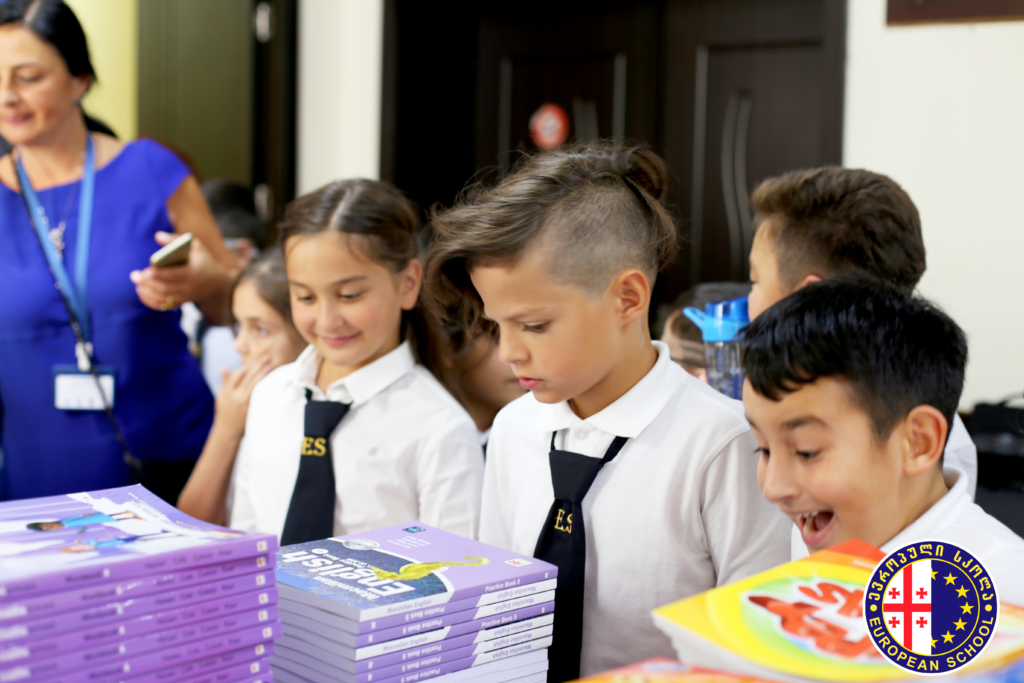
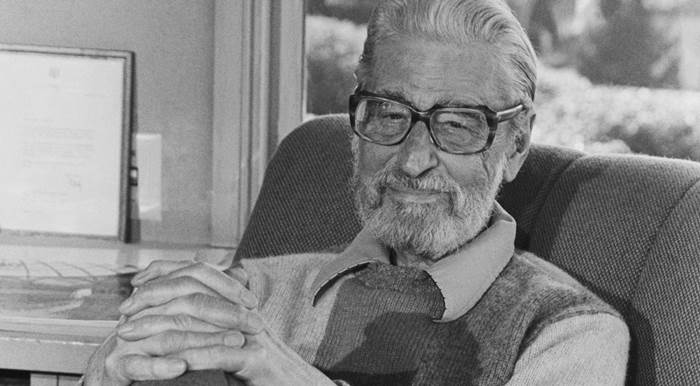
As Dr. Seuss tells us:
“You have brains in your head. You have feet in your shoes. You can steer yourself any directions you choose”
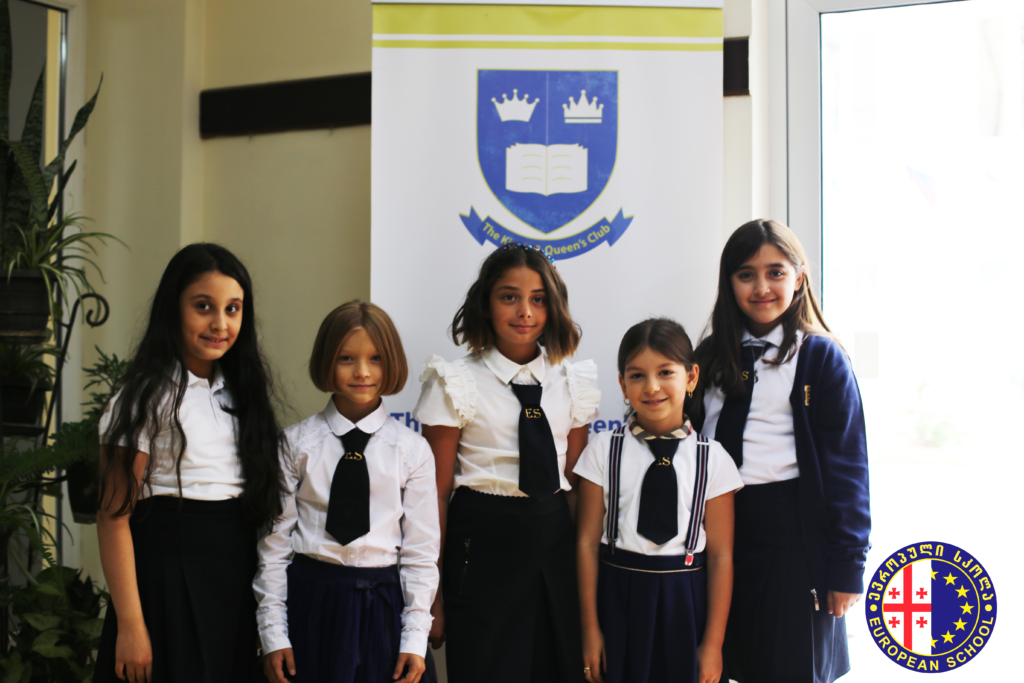
If you would like us to come at your school with #minibookfair send us an email at: englishbookteam@englishbook.ge
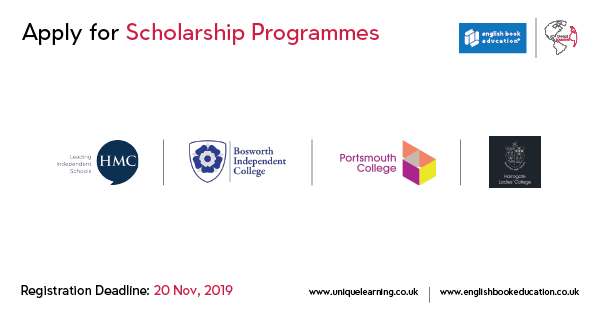
Unique Learning Schoolarships
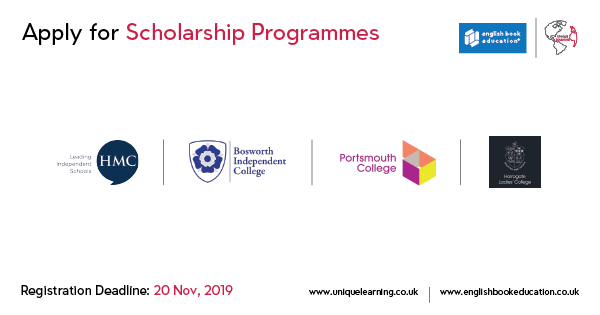
Bosworth Independent College
არის ერთ-ერთი წამყვანი დამოუკიდებელი კოლეჯი გაერთიანებულ სამეფოში, რომელიც გამოირჩევა მაღალი აკადემიური შედეგებით, საუნივერსიტეტო კავშირებით და მზრუნველი გარემოთი. კოლეჯი გამორჩეული რეპუტაციით სარგებლობს მსოფლიოს გარშემო. მეტი
Harrogate Ladies’ College
არის კერძო დამოუკიდებელი სკოლა გოგონებისთვის 11 დან 18 წლამდე, რომელიც 1893 წელს დაარსდა. სკოლა მდებარეობს ნორტ-იორკშირის საგრაფოში. მეტი
HMC (Headmasters’ and Headmistresses’ Conference)
HMC Projects რეგისტრირებულია როგორც საქველმოქმედო ორგანიზაცია და ამავედროს წარმოადგენს შეზღუდული პასუხისმგებლობის მქონე კომპანიას. დაარსებიდან (1992) მისი მთავარი მიზანია, საშუალება მისცეს სტუდენტებს, ცენტრალური და აღმოსავლეთ ევროპიდან, ისწავლონ გაერთიანებულ სამეფოში. მეტი
Portsmouth College
სახელმწიფო კოლეჯი გაერთიანებულ სამეფოში, რომელიც გამოირჩევა მაღალი აკადემიური შედეგებით, საუნივერსიტეტო კავშირებით , მზრუნველი და მაღალტექნოლოგიური გარემოთი. მეტი


Summer Reading

წიგნების შესაძენად ეწვიეთ ჩვენს მაღაზიას, ჭავჭავაძის გამზ. #14
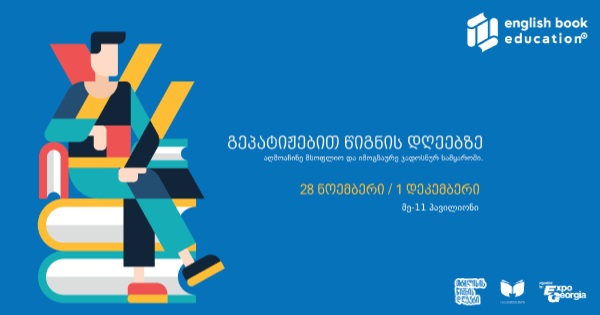
Tbilisi Book Days 2019








Happy Easter everyone!

Happy Easter to you, your family and friends! We hope your holiday is filled with lots of fun and happiness!
The Easter hunt doesn’t have to be just for kids. Join in the Easter holiday fun by treating yourself with a 20% discount on all purchases. This includes all Fiction and Non-Fiction books. Take advantage of this sale now as it’s only available over the Easter holidays.
Visit our bookshop at Chavchavadze Ave. #14 to see all discounted books
Happy Easter everyone!

Toefl Family of Assessments
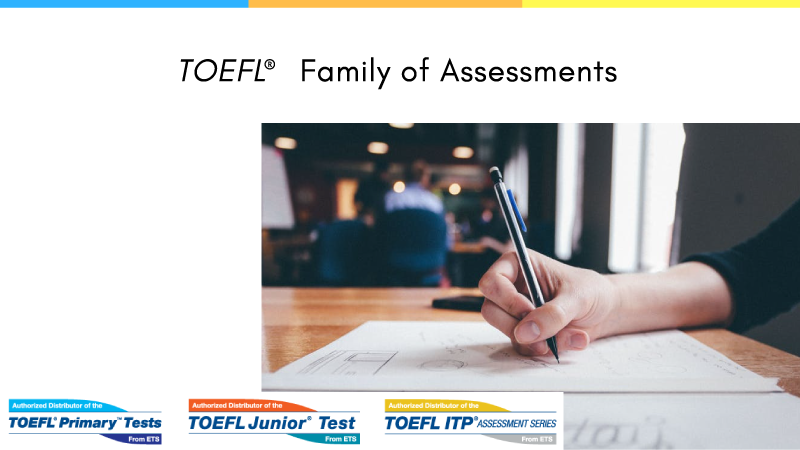
The TOEFL® Primary™ tests are assessments from ETS that help you shape young students’ English-language instruction in a way you never could before. Based on the rich heritage of the TOEFL® test and best practices in English-language testing, the TOEFL Primary tests are designed for students ages 8+ and measure the English communication skills that provide a foundation for students’ future success.
Setting a strong foundation for your students early makes all the difference. Having an accurate understanding of their English-language skills can help you guide them to reach their full potential.
Intended for students ages 11+, the TOEFL Junior® tests are an objective, reliable measure of your students’ English communication skills that can help you pinpoint your students’ strengths and challenges.
Bring the global standard in English-language assessment to your classroom with the TOEFL ITP® Assessment Series. Based on the long-standing heritage and expertise of the TOEFL® test, the TOEFL ITP tests allow you to measure and evaluate your students’ English-language skills with confidence.
Back to school for students

HMC, Bosworth Independent College and Harrogate Ladies College Scholarship schemes from new academic year.
All educational material and resources are selected based on the individual interests and age of students, using modern audio, video, visual, print and electronic resources to meet the modern requirements of education.
The King’s & Queen’s club is a book club with difference. Students will read 7 books per academic year and then discuss these in English with a native speaker once a month for two hours. Nothing of this kind currently exists in Georgia beyond practicing English and developing their language ability, students will be able to develop other critical skills.

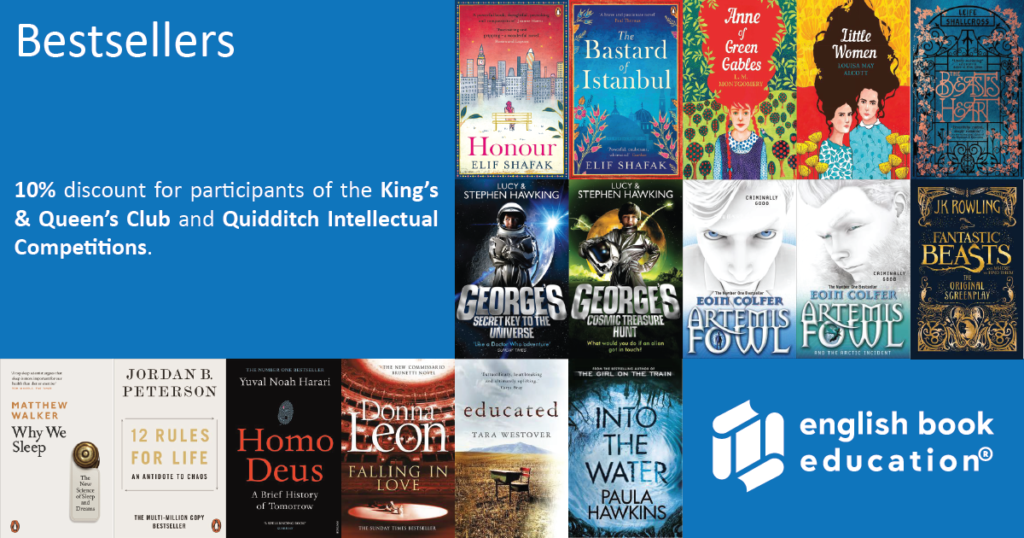
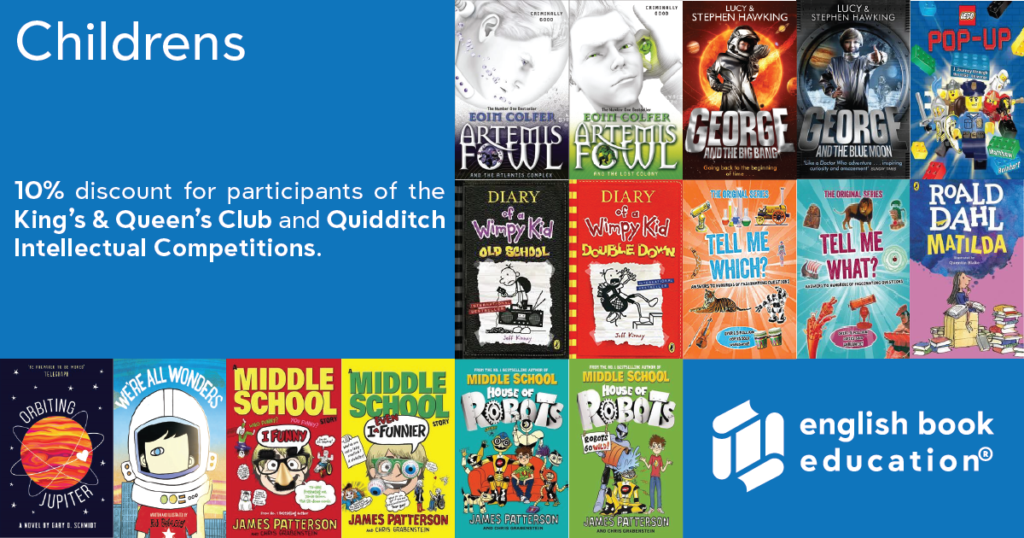
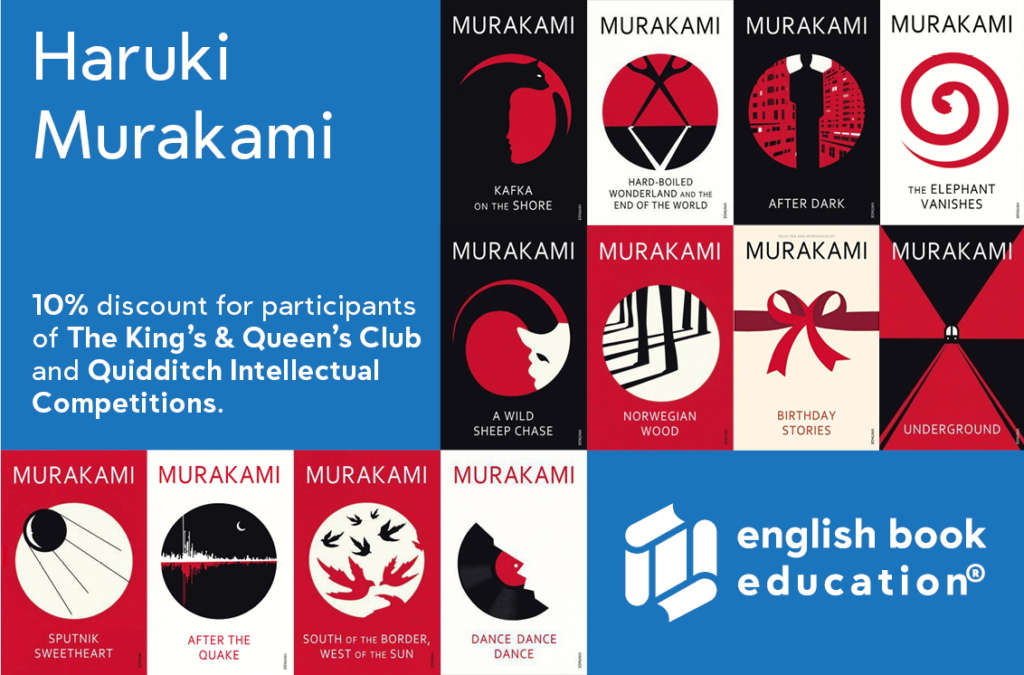
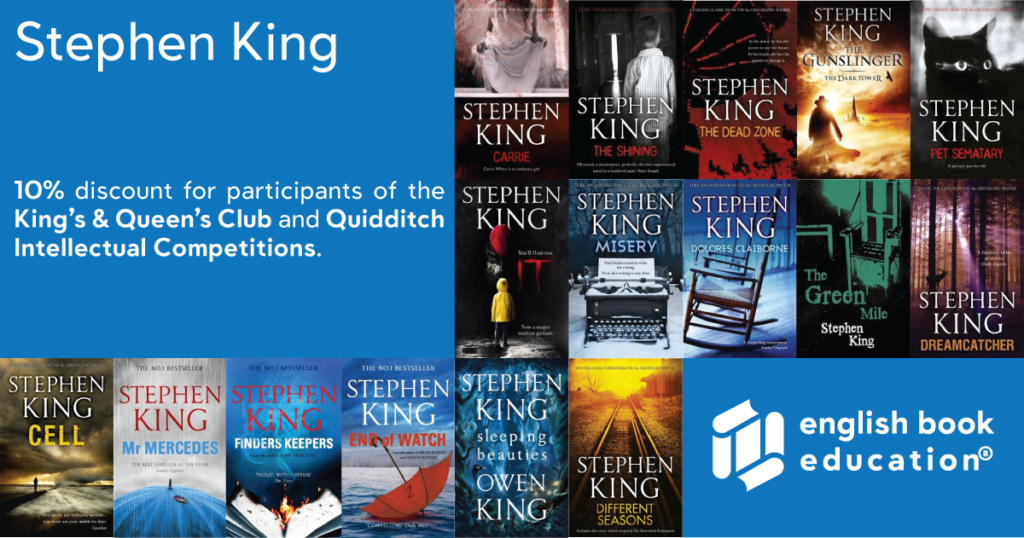
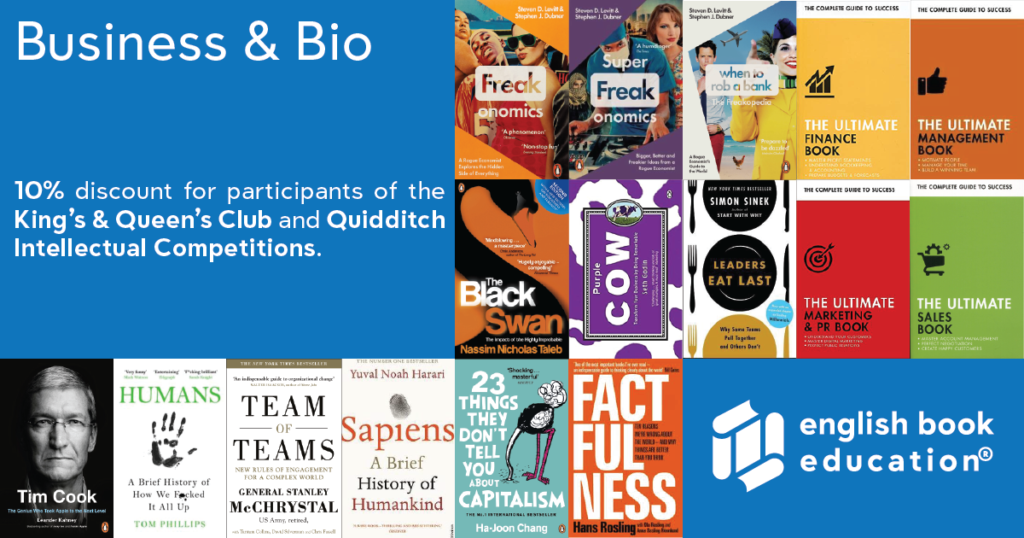
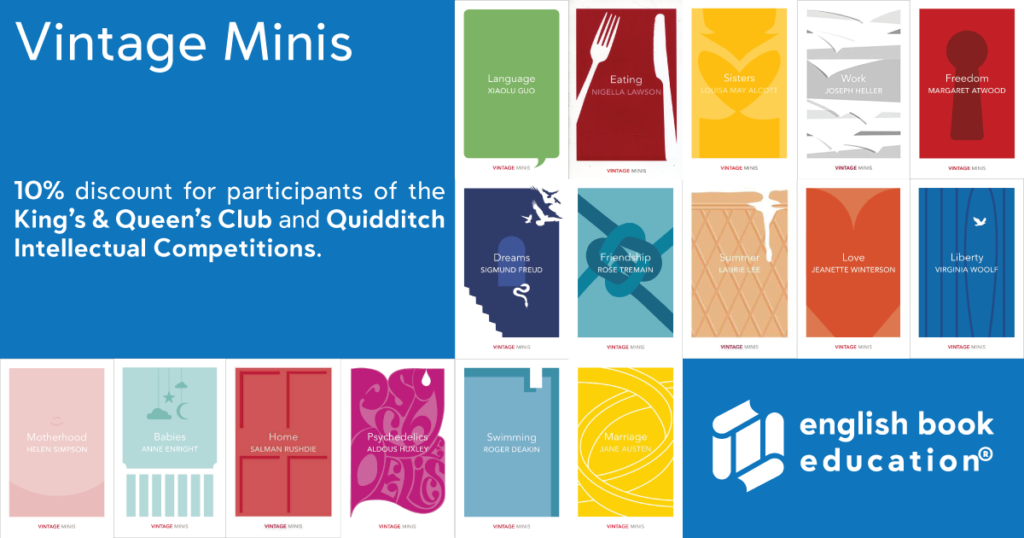
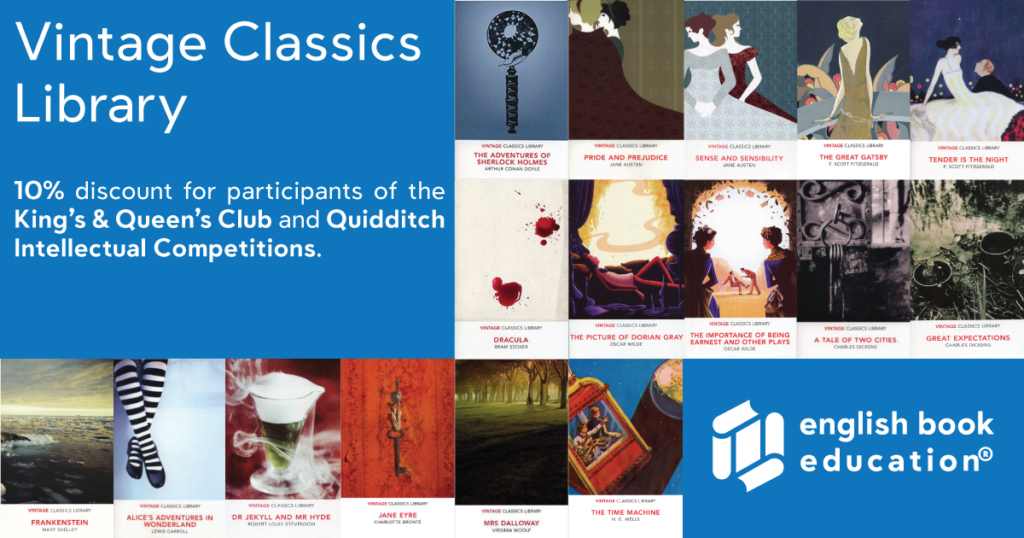
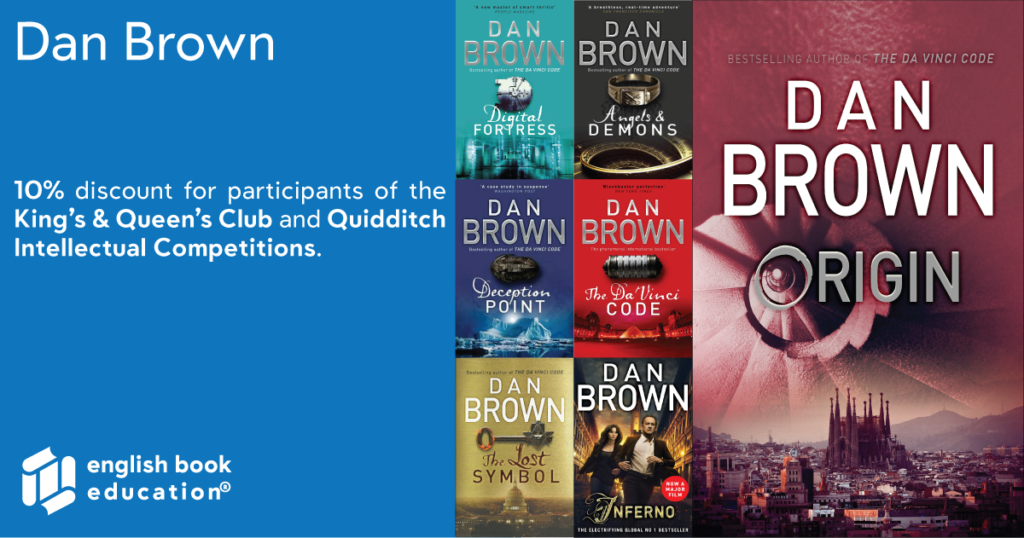
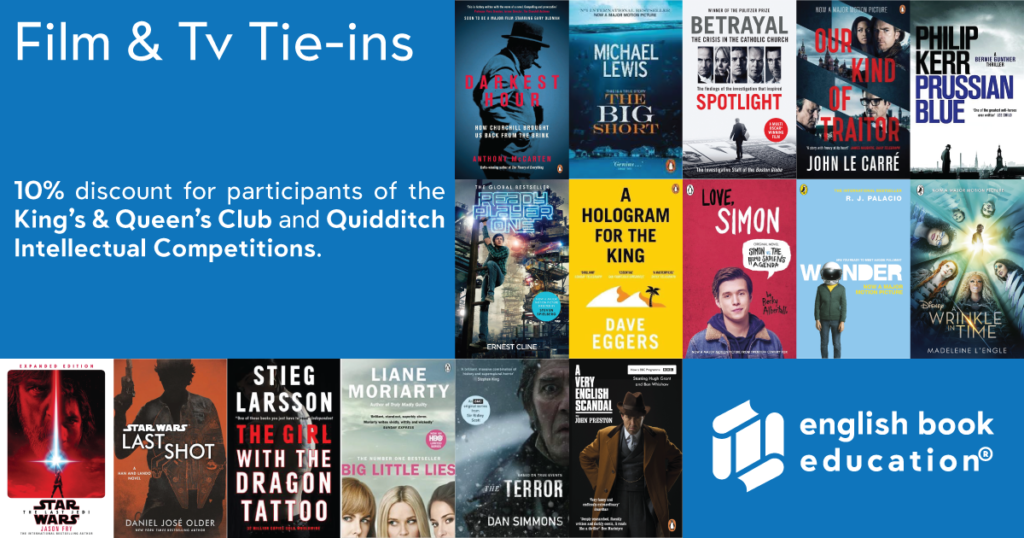
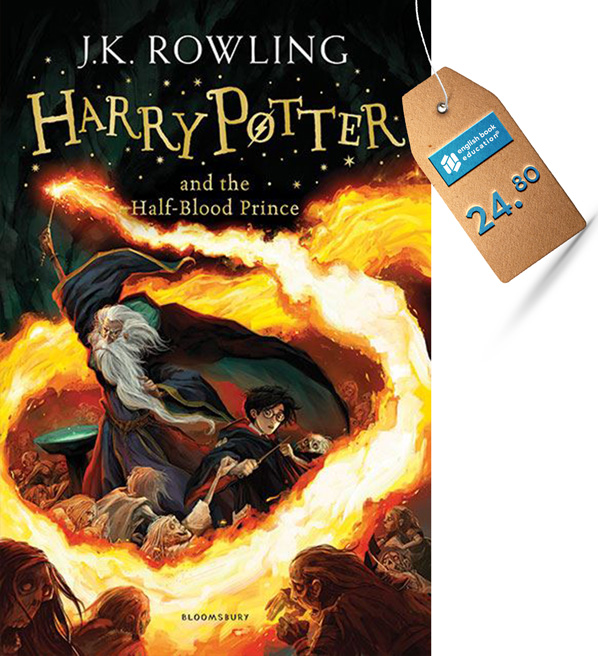
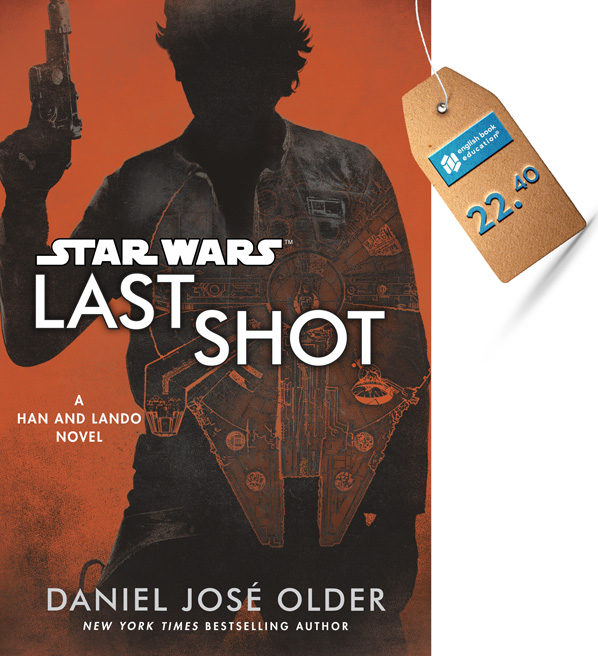
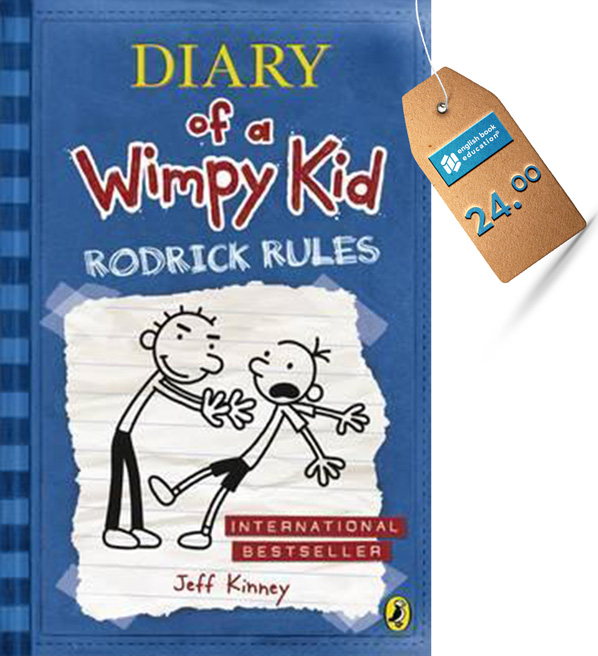
Find the list of discounted titles: Stephen King, Haruki Murakami, Dan Brown, Gabriel Garcia Marquez, Ernest Hemingway, James Patterson, J.K.Rowling, Vintage Minis, Vintage Classics, Penguin Essentials, Penguin Kids, Bestsellers, Film Tie-in
Back to school for teachers

This folder includes the following activities and materials for the primary level:
- Arts and crafts
- Flashcards
- Games
- Topic-based materials
Feel free to download them.
This folder includes the following activities and materials for the primary level:
- Games
- Integrated skills activities
- Posters
- Topic-based materials
- Warmers
Feel free to download them.
This folder includes the following activities and materials for the primary level:
- Intergrated Skills Activity
- Topic-based materials
- Video Lessons
Feel free to download them.
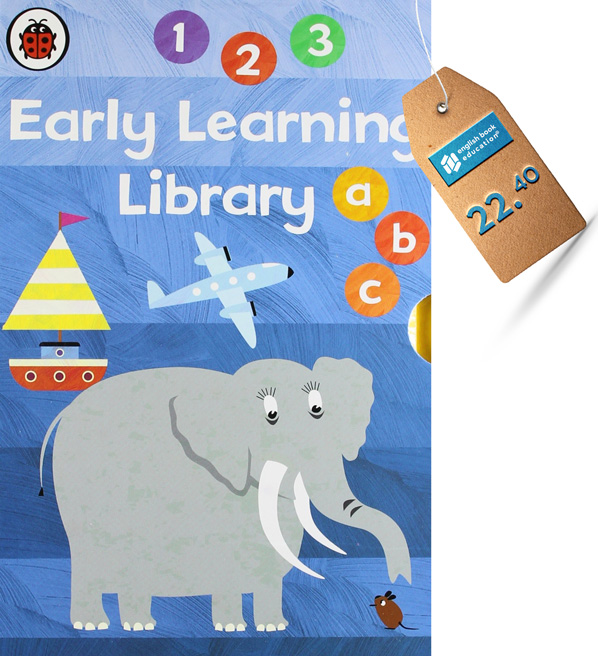
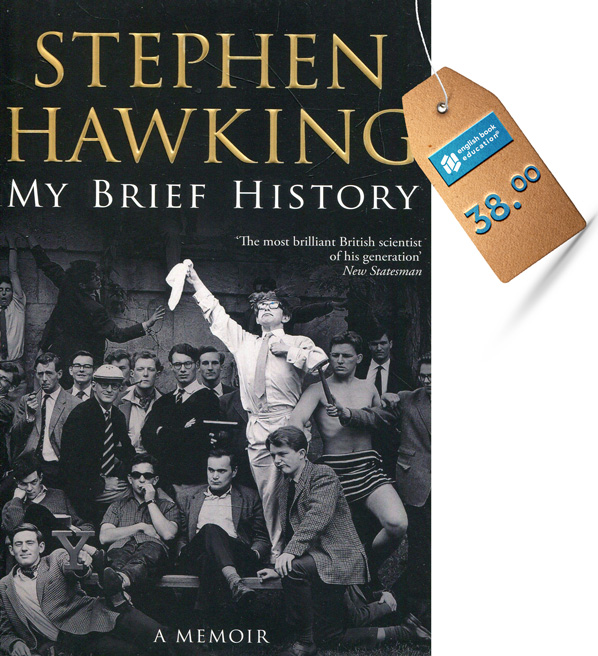
Find the list of discounted methodology titles which will help enriching your teaching life.