Tag Archives: think

The Perfect Classroom Gift: A Gift of Words

giftofwords

“A Gift of Words” is a very simple lesson.

Tell your class:

“Okay, class, here’s what I want you to bring to class with you on the last day of school before winter break. I want you to find a poem, a saying, a paragraph you like — something that speaks to you because of its message, its beauty, its format. I want you to copy it onto a piece of paper, put it into a box, wrap it, and bring it to class. Be sure to include, before you wrap it, the name of the author and your name as the giver.”

When the day comes, students will place their packages on the teacher’s desk. They should vary from huge to tiny, from carefully wrapped to hurriedly tossed together. And yes, there will be those who forget, who scribbled “Just do it” on a piece of notebook paper, folded it like a paper football, and added it to the pile. You should provide a few extras, just in case.

How to start:

“Whose birthday is closest to Christmas? Okay, you’re first. Pick any present you want.”

Suspense:

What would she/he get? You won’t be disappointed. The contents will vary — favorites from “Where the Sidewalk Ends” by Shel Silverstein to Bible verses, song lyrics, and short sayings like “Just do it.” The experiment will be a success. Everyone in the class will have a gift and you will have the greatest gift of all-happiness.

On this day…

Frédéric Passy, Henry Dunant – The first winners of the Nobel Peace Prize in 1901

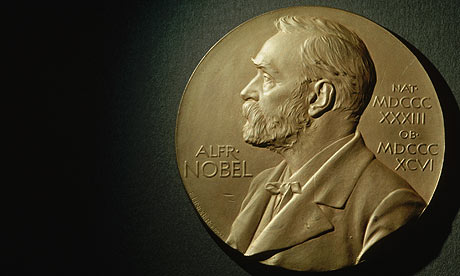
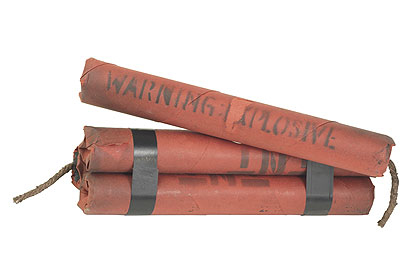
On this day in 1901, the first Nobel Prizes are awarded in Stockholm, Sweden, in the fields of physics, chemistry, medicine, literature, and peace. The ceremony came on the fifth anniversary of the death of Alfred Nobel, the Swedish inventor of dynamite and other high explosives. In his will, Nobel directed that the bulk of his vast fortune be placed in a fund in which the interest would be “annually distributed in the form of prizes to those who, during the preceding year, shall have conferred the greatest benefit on mankind.” Although Nobel offered no public reason for his creation of the prizes, it is widely believed that he did so out of moral regret over the increasingly lethal uses of his inventions in war.

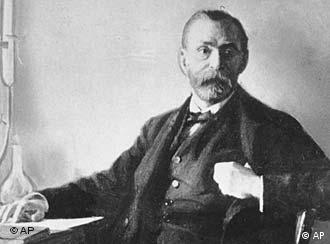
Alfred Bernhard Nobel was born in Stockholm in 1833, and four years later his family moved to Russia. His father ran a successful St. Petersburg factory that built explosive mines and other military equipment. Educated in Russia, Paris, and the United States, Alfred Nobel proved a brilliant chemist. When his father’s business faltered after the end of the Crimean War, Nobel returned to Sweden and set up a laboratory to experiment with explosives.

In 1875, Nobel created a more powerful form of dynamite, blasting gelatin, and in 1887 introduced ballistite, a smokeless nitroglycerin powder. Around that time, one of Nobel’s brothers died in France, and French newspapers printed obituaries in which they mistook him for Alfred. One headline read, “The merchant of death is dead.” Alfred Nobel in fact had pacifist tendencies and in his later years apparently developed strong misgivings about the impact of his inventions on the world. After he died in San Remo, Italy, on December 10, 1896, the majority of his estate went toward the creation of prizes to be given annually in the fields of physics, chemistry, medicine, literature, and peace. The portion of his will establishing the Nobel Peace Prize read, “[one award shall be given] to the person who has done the most or best work for fraternity among nations, for the abolition or reduction of standing armies, and for the holding and promotion of peace congresses.” Exactly five years after his death, the first Nobel awards were presented.

Past Nobel Prize winners

Today, the Nobel Prizes are regarded as the most prestigious awards in the world in their various fields. Notable winners have included Marie Curie, Theodore Roosevelt, Albert Einstein, George Bernard Shaw, Winston Churchill, Ernest Hemingway, Martin Luther King, Jr., the Dalai Lama, Mikhail Gorbachev, and Nelson Mandela.

The Royal Swedish Academy of Sciences

The Royal Swedish Academy of Sciences decides the prizes in physics, chemistry, and economic science; the Swedish Royal Caroline Medico-Surgical Institute determines the physiology or medicine award; the Swedish Academy chooses literature; and a committee elected by the Norwegian parliament awards the peace prize. The Nobel Prizes are still presented annually on December 10, the anniversary of Nobel’s death. In 2006, each Nobel Prize carried a cash prize of nearly $1,400,000 and recipients also received a gold medal, as is the tradition.

How can a scientist get closer to an animal he or she is trying to study? By dressing up like that animal, of course!


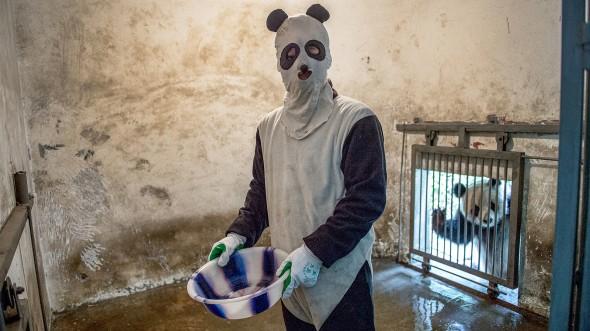
Did you dress up as a giant panda this Halloween? Well, panda keepers in China take it a step further by sprinkling themselves with panda poop and pee!

scientists-costumes-panda

“That’s to mask the human smell,” says Andrea Muller of Pandas International. By wearing panda suits when handling the cubs, caregivers minimize the animals’ stress and human attachment, Muller says.

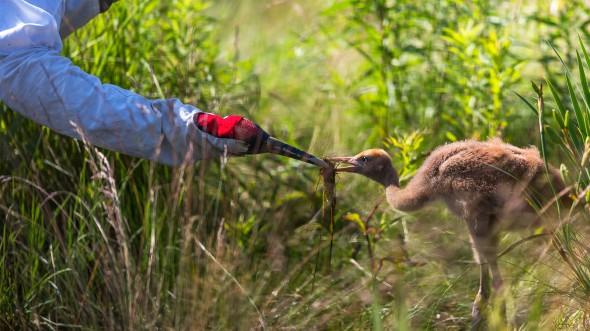
At the International Crane Foundation in Wisconsin, staff dress like ghosts—wearing white to hide their bodies—and use a bird-shaped hand puppet to interact with baby whooping cranes hatched at the foundation.

scientists-costumes-whooping-crane

“We try to replicate what actual parents do,” says Kim Boardman, the assistant curator of birds. “The puppet offers natural food, catches grasshoppers, and teaches chicks to forage.”

Biologist Tom Reimchen and his students at the University of Victoria in British Columbia wanted to see how salmon reacted to spirit bears—black bears with a genetic variation that gives them white fur—compared to more common black bears with black fur. So, Reimchen and his students wore either white or black fabric and waded in a fishing hole.

The salmon were less spooked by students wearing white, suggesting that spirit bears may be more successful at catching fish, possibly because the fish don’t recognize the rare bears as predators.

To see how moose around Yellowstone National Park would react to the smell of wolves that were making a comeback in the area, biologist Joel Berger of the Wildlife Conservation Society and his colleagues wore a moose suit. The suit allowed them to get close and drop wolf poop near the moose.

The scientists discovered that the moose had forgotten to run when they smelled a wolf, but the moose quickly learned to avoid the wolves when they returned to the area!

Sometimes, scientists resort to dressing up their technology rather than themselves.

scientists-costumes-penguin

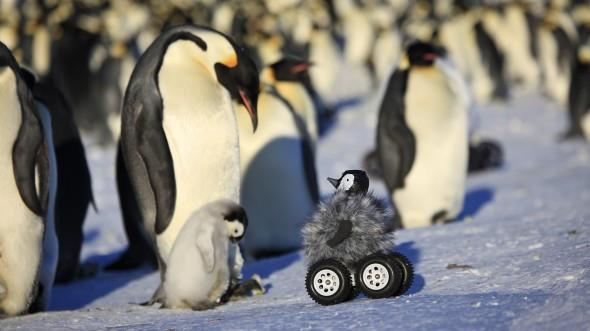
To get close to emperor penguins in Antarctica, scientists camouflaged remote-controlled rovers to look like a penguin adult and chick. Many penguins tried to communicate with them. Studies also showed that the penguins were less stressed out by these robotic penguins than they were by humans.

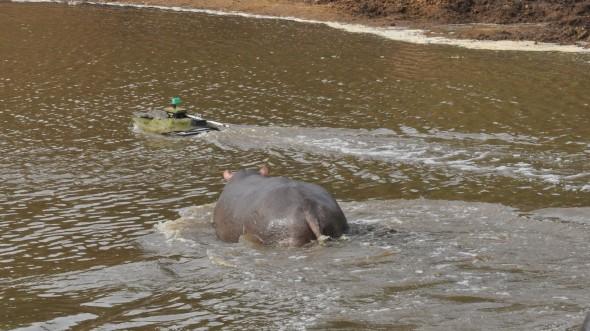
In Kenya, researchers faced danger from hippos while trying to collect river water samples, but they knew that hippos and crocs ignore each other. So Amanda Subalusky, a graduate student at Yale University, and her colleagues decided to construct a remote-controlled boat disguised with a lifelike crocodile head and outfitted it with scientific instruments. The students were able to steer the boat through hippo swimming holes and collect the data they needed.

scientists-costumes-crocodile

[button color=”blue” size=”small” link=”http://news.nationalgeographic.com/news/2014/10/141028-halloween-costumes-science-conservation-nation-animals/” target=”blank” ]Source[/button]


Inspirational Quotes


Deprecated: preg_match_all(): Passing null to parameter #2 ($subject) of type string is deprecated in /home2/englita2/public_html/blogebg/wp-includes/media.php on line 1893

Deprecated: str_contains(): Passing null to parameter #1 ($haystack) of type string is deprecated in /home2/englita2/public_html/blogebg/wp-includes/shortcodes.php on line 150

Deprecated: preg_split(): Passing null to parameter #2 ($subject) of type string is deprecated in /home2/englita2/public_html/blogebg/wp-includes/formatting.php on line 3492

7 Animal Myths and Facts

Students-7animalmyths-giraffe

Animals do some pretty strange things. Giraffes clean their eyes and ears with their tongues. Snakes see through their eyelids. Some snails can hibernate for three years. But other weird animal tales are hogwash. National Geographic Kids finds out how some of these myths started—and why they’re not true.

Myth

Ostriches bury their heads in the sand when they’re scared or threatened.

How It Started

It’s an optical illusion! Ostriches are the largest living birds, but their heads are pretty small. “If you see them picking at the ground from a distance, it may look like their heads are buried in the ground,” says Glinda Cunningham of the American Ostrich Association.

Why It’s Not True

Ostriches don’t bury their heads in the sand—they wouldn’t be able to breathe! But they do dig holes in the dirt to use as nests for their eggs. Several times a day, a bird puts her head in the hole and turns the eggs. So it really does look like the birds are burying their heads in the sand!

Myth

Opossums hang by their tails.

How It Started

Opossums use their tails to grasp branches as they climb trees. So it’s not surprising that people believe they also hang from branches.

Why It’s Not True

A baby opossum can hang from its tail for a few seconds, but an adult is too heavy. Besides, says Paula Arms of the National Opossum Society, that wouldn’t help them survive. “Why would they just hang around? That skill isn’t useful—there’s no point.”

Myth

Touching a frog or toad will give you warts.

How It Started

Many frogs and toads have bumps on their skin that look like warts. Some people think the bumps are contagious.

Why It’s Not True

“Warts are caused by a human virus, not frogs or toads,” says dermatologist Jerry Litt. But the wartlike bumps behind a toad’s ears can be dangerous. These parotoid glands contain a nasty poison that irritates the mouths of some predators and often the skin of humans. So toads may not cause warts, but they can cause other nasties. It’s best not to handle these critters—warts and all!

Myth

Mother birds will reject their babies if they’ve been touched by humans.

How It Started

Well-meaning humans who find a chick on the ground may want to return the baby bird to the nest. But the bird is probably learning to fly and shouldn’t be disturbed. The tale may have been invented to keep people from handling young birds.

Why It’s Not True

“Most birds have a poorly developed sense of smell,” says Michael Mace, bird curator at San Diego Zoo’s Wild Animal Park. “They won’t notice a human scent.” One exception: vultures, who sniff out dead animals for dinner. But you wouldn’t want to mess with a vulture anyway!

Myth

Penguins fall backward when they look up at airplanes.

How It Started

Legend has it that British pilots buzzing around islands off South America saw penguins toppling over like dominoes when the birds looked skyward.

Why It’s Not True

An experiment testing the story found that penguins are perfectly capable of maintaining their footing, even if they’re watching airplanes. “But the reality isn’t funny,” says John Shears, who worked on the survey. “Low-flying aircraft can cause penguins to panic and leave their nests.”

Myth

Bats are blind.

How It Started

Often associated with darkness, witches and black magic, bats have a lot of mythology and are very misunderstood, making them seem like scary creatures of the night. Because of this, people often think bats are blind due to their hunting only at night.

Why It’s Not True

The fact is that all species of bats can see, although their vision is very poor. Instead, they have excellent senses of smell and hearing, and are able to use echo-location and sonar abilities to navigate and hunt at night. Their sonar abilities are so exceptional that they’re often better than military sonar, which is amazing for such small animals.

Myth

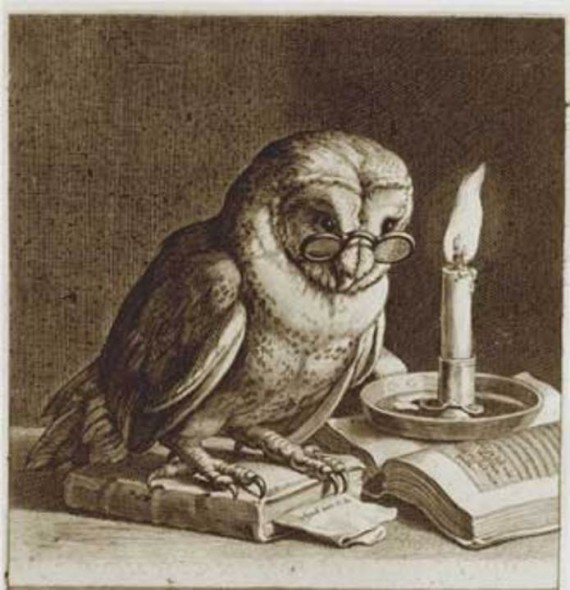
Owls are the wisest among birds.

How It Started

Perhaps the earliest known link between owls and wisdom is their association with Athena, as the Greek goddess of wisdom is often depicted holding an owl. With their overly large eyes and the constant serious, almost thoughtful look on their faces, owls give off the impression of wisdom, of being a cut above the rest. From legends, folklore, children’s tales to Hollywood, owls have always been the night watchmen – sometimes sinister, always smart.

Why It’s Not True

Unfortunately owls are actually placed on the lower-end of intelligent birds, with the common crow considered the wisest among birds.


[button color=”blue” size=”small” link=”http://kids.nationalgeographic.com/explore/nature/animal-myths-busted/” target=”blank” ]Source[/button] [button color=”blue” size=”small” link=”http://www.toptenz.net/top-10-facts-about-animals-that-are-totally-wrong.php” target=”blank” ]Source[/button]
Inspirational Quotes


Deprecated: preg_match_all(): Passing null to parameter #2 ($subject) of type string is deprecated in /home2/englita2/public_html/blogebg/wp-includes/media.php on line 1893

Deprecated: str_contains(): Passing null to parameter #1 ($haystack) of type string is deprecated in /home2/englita2/public_html/blogebg/wp-includes/shortcodes.php on line 150

Deprecated: preg_split(): Passing null to parameter #2 ($subject) of type string is deprecated in /home2/englita2/public_html/blogebg/wp-includes/formatting.php on line 3492

What do you know about deserts?

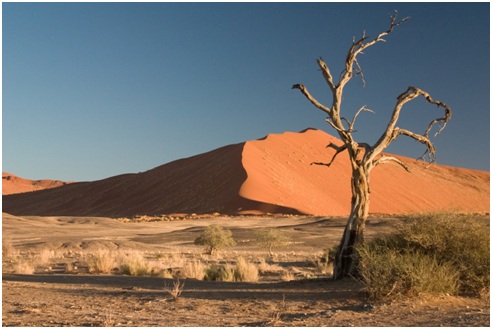
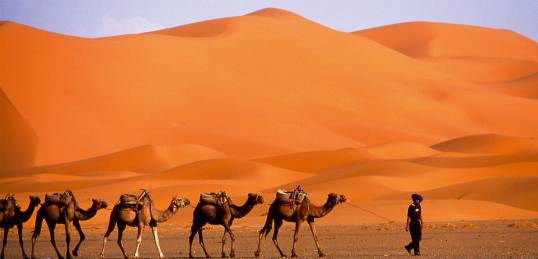
About 20% of the Earth is a desert. Deserts are places that get very little precipitation (rain or snow) each year, and that makes them extremely dry. Deserts cover big areas of land. The biggest desert, the Sahara, extends from North Africa to Southwest Asia and is 13 times the size of Texas. Some parts of the Sahara get as little as 2 millimeters (0.08 inches) of water a year.

Since water is scarce, animals that live in deserts have ways to find, save, and use very little of this precious liquid. Camels store fat in their humps. When they burn the fat for energy, the make water for their bodies. Cacti have wide and shallow roots so that when it does rain, they drink up as much water as possible.

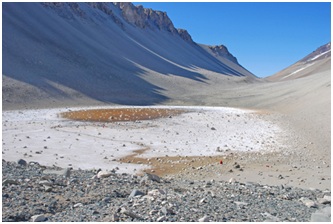
Not all deserts are dry, dusty, and hot. The Antarctic is also a desert. It may be cold, but, just like the Sahara, the Antarctic doesn’t get very much precipitation.

desertice

Did You Know That?

  • It hasn’t rained or snowed in some places in the Antarctic for hundreds of years?
  • The biggest desert in the United States, the Mojave Desert, gets about 13 centimeters (5 inches) of rain every year?
  • Kangaroo rats are desert animals that hardly ever drink water? They get all the water they need from the foods they eat.

Interesting Words and Expressions – Childlike

childlike-awe


childlike

adjective \ˈchī(-ə)l(d)-ˌlīk\

“ resembling or suggesting a child : like that of a child; especially : having or showing the pleasing qualities (such as innocence) that children often have”

Examples:

  1. We gazed at it in childlike wonder.
  2. She took a childlike glee in describing every detail.
  3. a grown woman with a childlike face

Inspirational Quotes


Deprecated: preg_match_all(): Passing null to parameter #2 ($subject) of type string is deprecated in /home2/englita2/public_html/blogebg/wp-includes/media.php on line 1893

Deprecated: str_contains(): Passing null to parameter #1 ($haystack) of type string is deprecated in /home2/englita2/public_html/blogebg/wp-includes/shortcodes.php on line 150

Deprecated: preg_split(): Passing null to parameter #2 ($subject) of type string is deprecated in /home2/englita2/public_html/blogebg/wp-includes/formatting.php on line 3492

Inspirational Quotes


Deprecated: preg_match_all(): Passing null to parameter #2 ($subject) of type string is deprecated in /home2/englita2/public_html/blogebg/wp-includes/media.php on line 1893

Deprecated: str_contains(): Passing null to parameter #1 ($haystack) of type string is deprecated in /home2/englita2/public_html/blogebg/wp-includes/shortcodes.php on line 150

Deprecated: preg_split(): Passing null to parameter #2 ($subject) of type string is deprecated in /home2/englita2/public_html/blogebg/wp-includes/formatting.php on line 3492