
Tag Archives: science

What do you know about deserts?

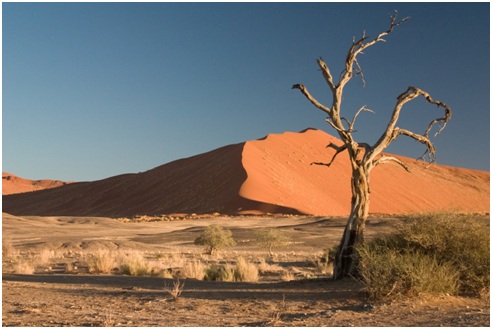
About 20% of the Earth is a desert. Deserts are places that get very little precipitation (rain or snow) each year, and that makes them extremely dry. Deserts cover big areas of land. The biggest desert, the Sahara, extends from North Africa to Southwest Asia and is 13 times the size of Texas. Some parts of the Sahara get as little as 2 millimeters (0.08 inches) of water a year.

Since water is scarce, animals that live in deserts have ways to find, save, and use very little of this precious liquid. Camels store fat in their humps. When they burn the fat for energy, the make water for their bodies. Cacti have wide and shallow roots so that when it does rain, they drink up as much water as possible.

Not all deserts are dry, dusty, and hot. The Antarctic is also a desert. It may be cold, but, just like the Sahara, the Antarctic doesn’t get very much precipitation.
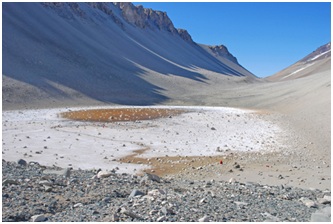
desertice

Did You Know That?

  • It hasn’t rained or snowed in some places in the Antarctic for hundreds of years?
  • The biggest desert in the United States, the Mojave Desert, gets about 13 centimeters (5 inches) of rain every year?
  • Kangaroo rats are desert animals that hardly ever drink water? They get all the water they need from the foods they eat.

Book of the Week: Frankenstein by Mary Shelley

Oct 30 - Frankenstein

Mary Shelley began writing Frankenstein when she was only eighteen. At once a Gothic thriller, a passionate romance, and a cautionary tale about the dangers of science, Frankenstein tells the story of committed science student Victor Frankenstein. Obsessed with discovering “the cause of generation and life” and “bestowing animation upon lifeless matter,” Frankenstein assembles a human being from stolen body parts but; upon bringing it to life, he recoils in horror at the creature’s hideousness. Tormented by isolation and loneliness, the once-innocent creature turns to evil and unleashes a campaign of murderous revenge against his creator, Frankenstein.

Frankenstein, an instant bestseller and an important ancestor of both the horror and science fiction genres, not only tells a terrifying story, but also raises profound, disturbing questions about the very nature of life and the place of humankind within the cosmos: What does it mean to be human? What responsibilities do we have to each other? How far can we go in tampering with nature? In our age, filled with news of organ donation, genetic engineering and bio-terrorism, these questions are more relevant than ever.

[button color=”blue” size=”small” link=”http://englishbookgeorgia.com/catalogue/shop/englishlibrary/frankenstein/” target=”blank” ]Buy the Book[/button]


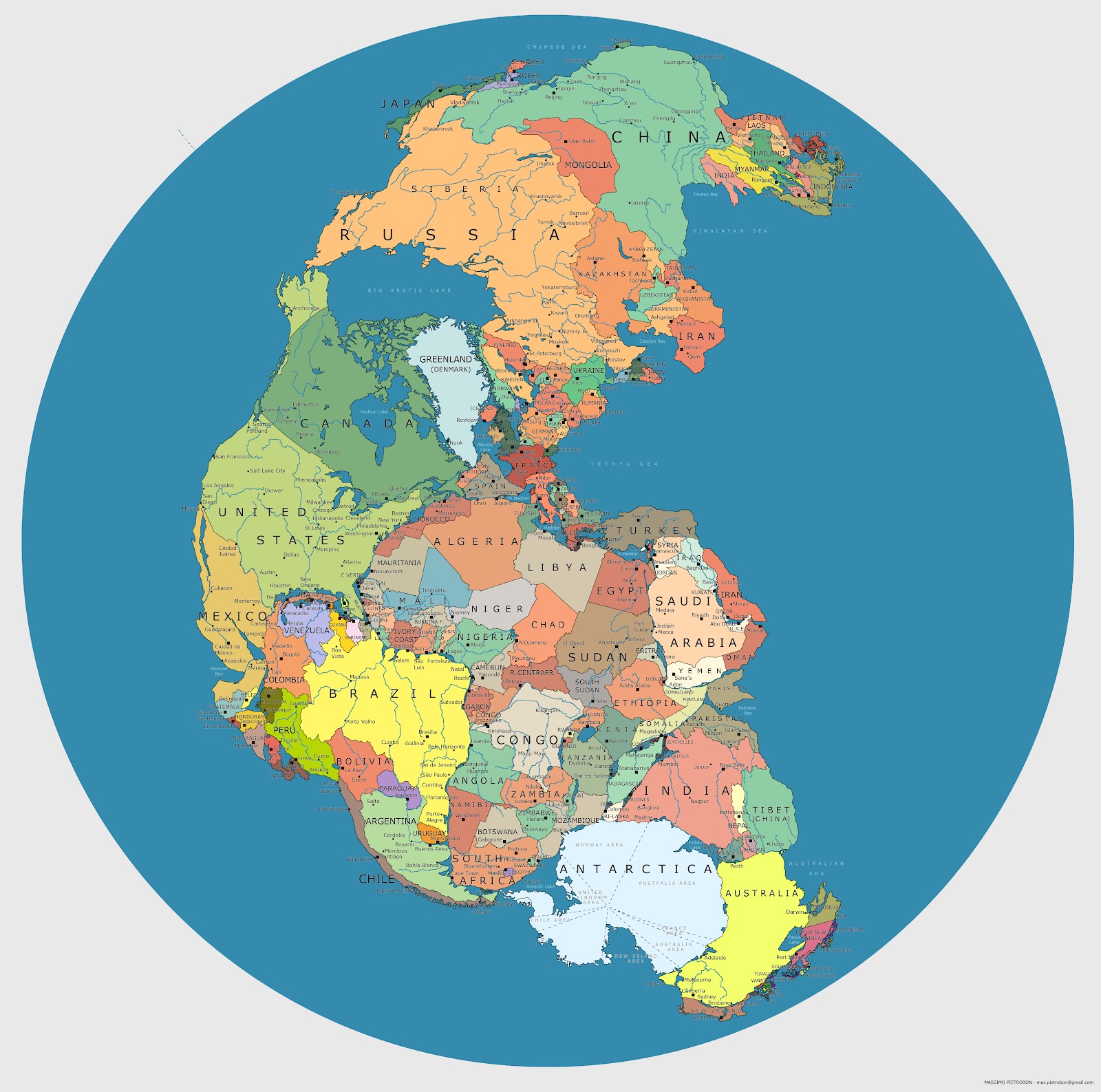
Map Showing Where Today’s Countries Would Be Located on Pangaea

Pangaea

The supercontinent, Pangaea, formed approximately 270 million years ago during the Permian Period and started breaking apart 70 million years later, creating the continents we know and live on today.

Pangaea was a peopleless mass, but if you were to put today’s countries on that supercontinent, here’s what it may look like.

The map was created by Massimo Pietrobon as an experiment. Check out more of his maps here: http://vimeo.com/86116226


[button color=”blue” size=”small” link=”http://www.openculture.com/2014/07/map-showing-where-todays-countries-would-be-located-on-pangea.html” target=”blank” ]Source[/button]

The Science of Mind Reading

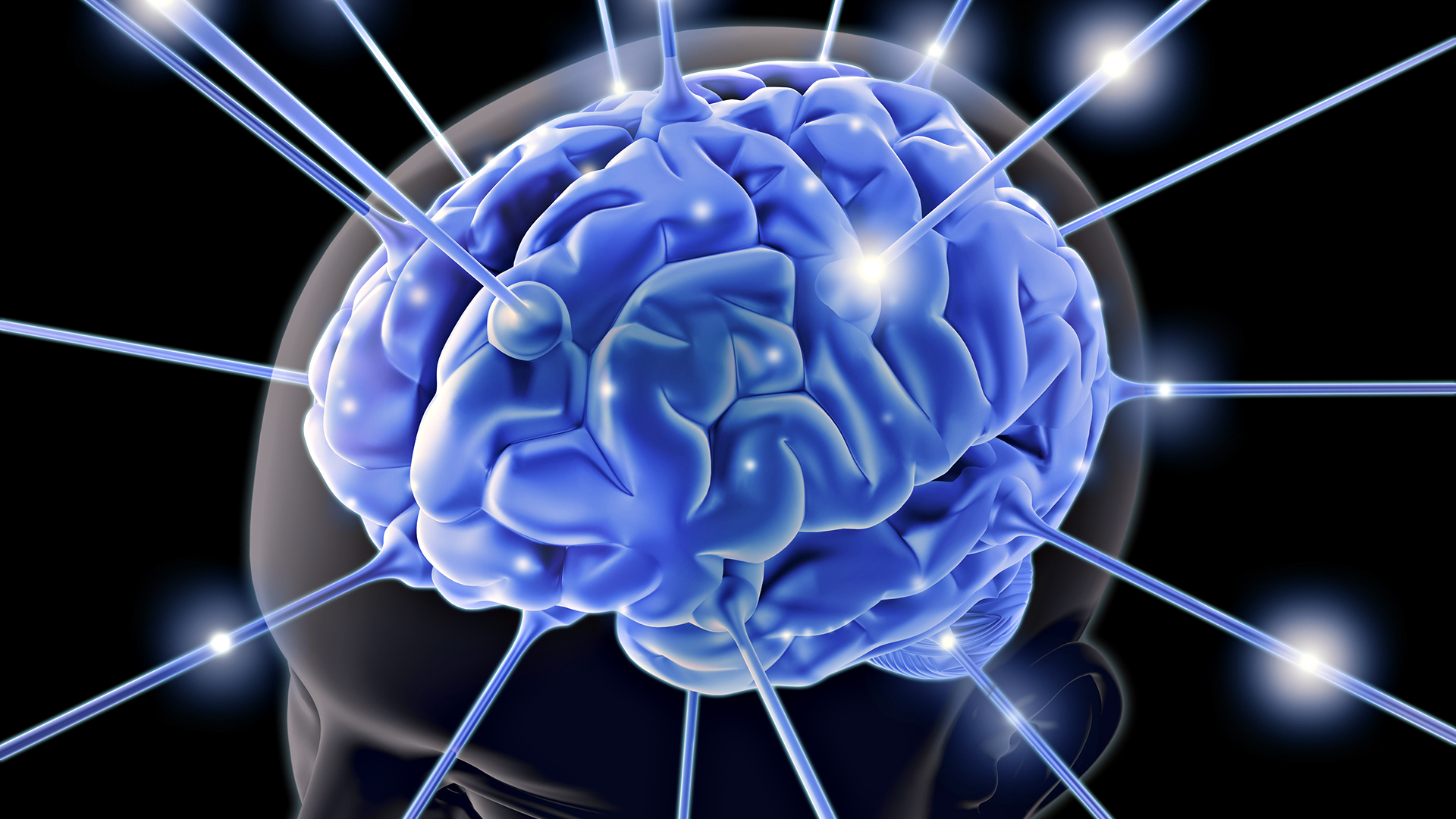
When Dan Vergano first started saying “mind reading,” he thought a lot of his neuroscientist friends would object. But many of them say, yes, that is right, it is like that. A study involving MIT undergraduates was able to tell when they were visualizing a face or a place with 85 percent accuracy, for example. That’s pretty good.

Where this will really make a difference is in contacting quadriplegics with the most severe paralysis—”locked in” individuals. We will be able to put people thought to have been in a persistent vegetative state in a [brain] scanner and try to talk to them.

Lie detection raises a host of legal, ethical, and social questions. Only one company is left doing this—NoLieMRI. They are seen as problematic because they don’t publish their methods or results. But there is a lot of interest in the technology from the Defense Department, which wants to move away from the polygraph to other ways to do lie detection.

In court, where you will probably first see mind reading is with disability claims—whether people are really feeling pain for Social Security disability claims for lower back pain. Hundreds of thousands of people are making these claims. Some perhaps aren’t really in pain. We don’t have a good way to tell the difference, but if we did, that would matter.


Want to see more? Please follow the link