Tag Archives: October 2014

Theme of the Week: Celebrating Authors of October

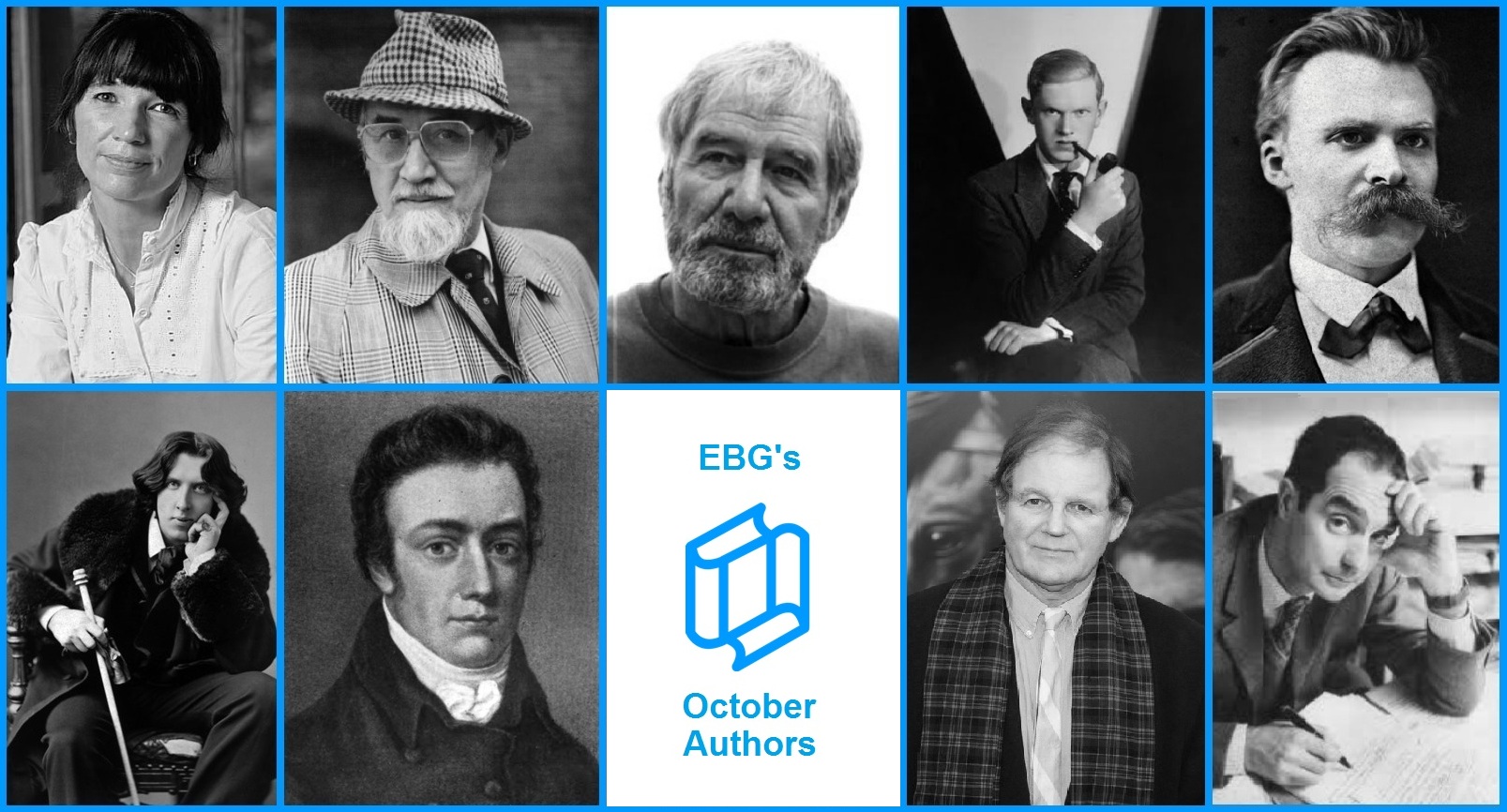
October authors

(Top, L-R: Anne Tyler, Desmond Bagley, Ed McBain, Evelyn Waugh and Friedrich Nietzsche. Bottom, L-R: Oscar Wilde, Samuel Taylor Coleridge, Michael Morpurgo and Italo Calvino)

This week we celebrate authors of the past and present who had birthdays in the month of October. Check them out below.

Oscar Wilde

(October 16, 1854- November 30, 1900)

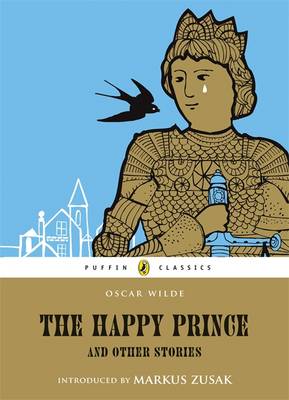
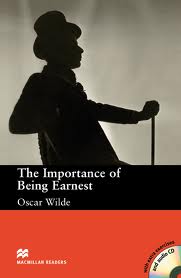
Novelist/playwright/poet Oscar Wilde dazzled 19th century society with his legendary wit and unflappable personality. He penned: The Picture of Dorian Gray and The Happy Prince and Other Stories, among other works.
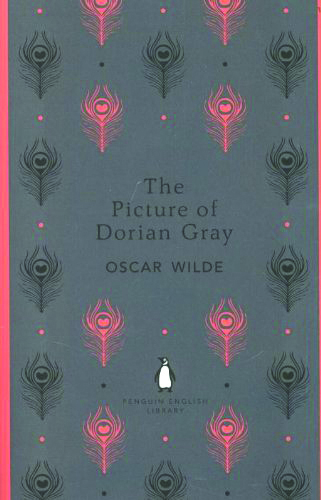
Dorian greyhappyprinceimportance


[button color=”blue” size=”small” link=”http://englishbookgeorgia.com/catalogue/shop/englishlibrary/the-picture-of-dorian-gray-2/” target=”blank” ]Buy the Book[/button]                     [button color=”blue” size=”small” link=”http://englishbookgeorgia.com/catalogue/shop/penguin/the-happy-prince-other-stories/” target=”blank” ]Buy the Book[/button]                    [button color=”blue” size=”small” link=”http://englishbookgeorgia.com/catalogue/shop/macmillan/the-importance-of-being-earnest/” target=”blank” ]Buy the Book[/button]

Samuel Taylor Coleridge

(October 21, 1772- July 25, 1834)

English Romantic poet, Samuel Taylor Coleridge, penned many famous works, including The Rime of the Ancient Mariner.
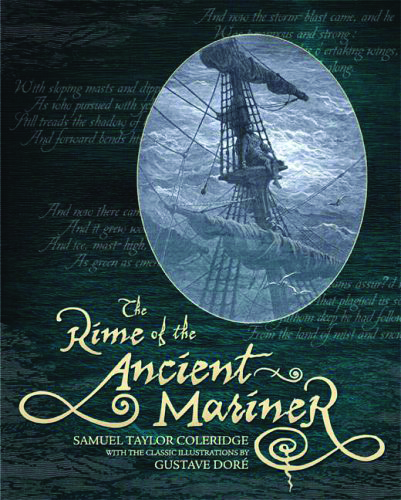
the rime


[button color=”blue” size=”small” link=”http://englishbookgeorgia.com/catalogue/shop/others/the-rime-of-the-ancient-mariner/” target=”blank” ]Buy the Book[/button]

Friedrich Nietzsche

(October 15, 1844 – August 25, 1900)

Philosopher/poet/composer Nietzche penned many classics such as Why I Am So Wise.
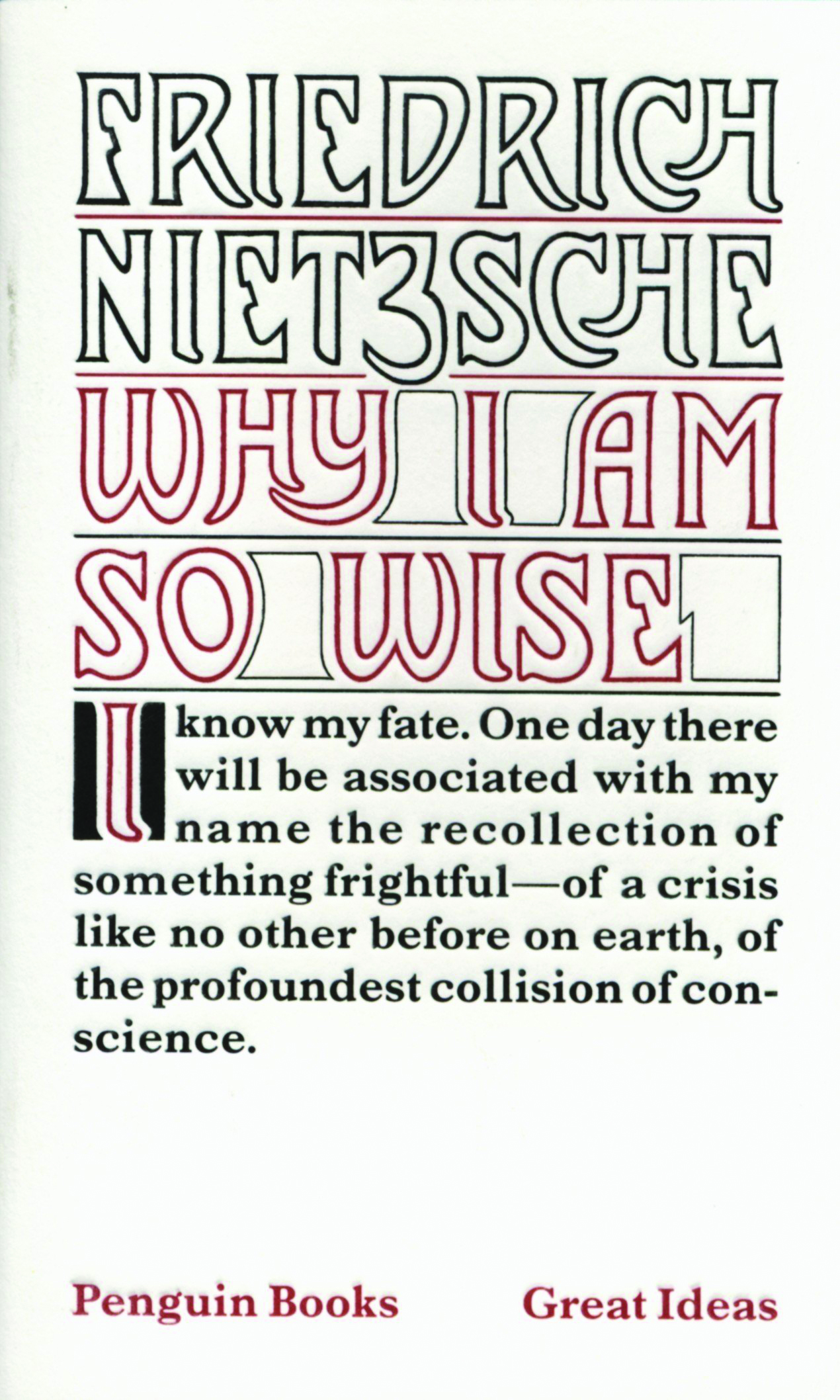
WhyIAmSoWise


[button color=”blue” size=”small” link=”http://englishbookgeorgia.com/catalogue/shop/penguin-books/why-i-am-so-wise/” target=”blank” ]Buy the Book[/button]

 Italo Calvino

(October 15, 1923 – September 19, 1985)

Calvino, an Italian journalist and writer of short stories and novels, wrote hits like The Queen’s Necklace.
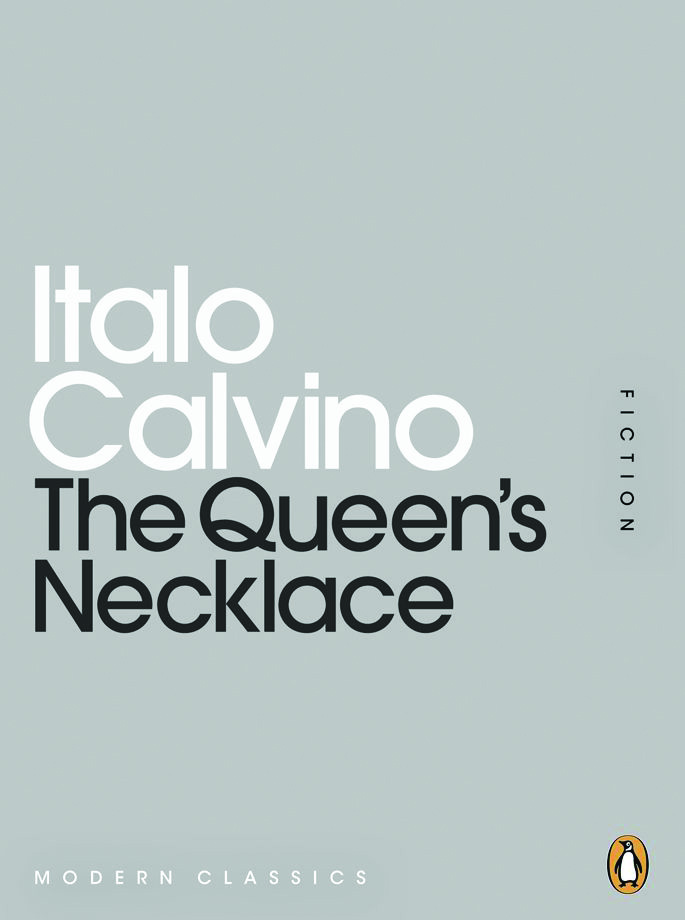
QueensNecklace


[button color=”blue” size=”small” link=”http://englishbookgeorgia.com/catalogue/shop/modernclassics/the-queens-necklace/” target=”blank” ]Buy the Book[/button]

Evelyn Waugh

(October 28, 1903 – April 10, 1966)

An English writer of novels, biographies, and travel books; and also was a prolific journalist and reviewer, Waugh wrote many popular novels such as A Handful of Dust.
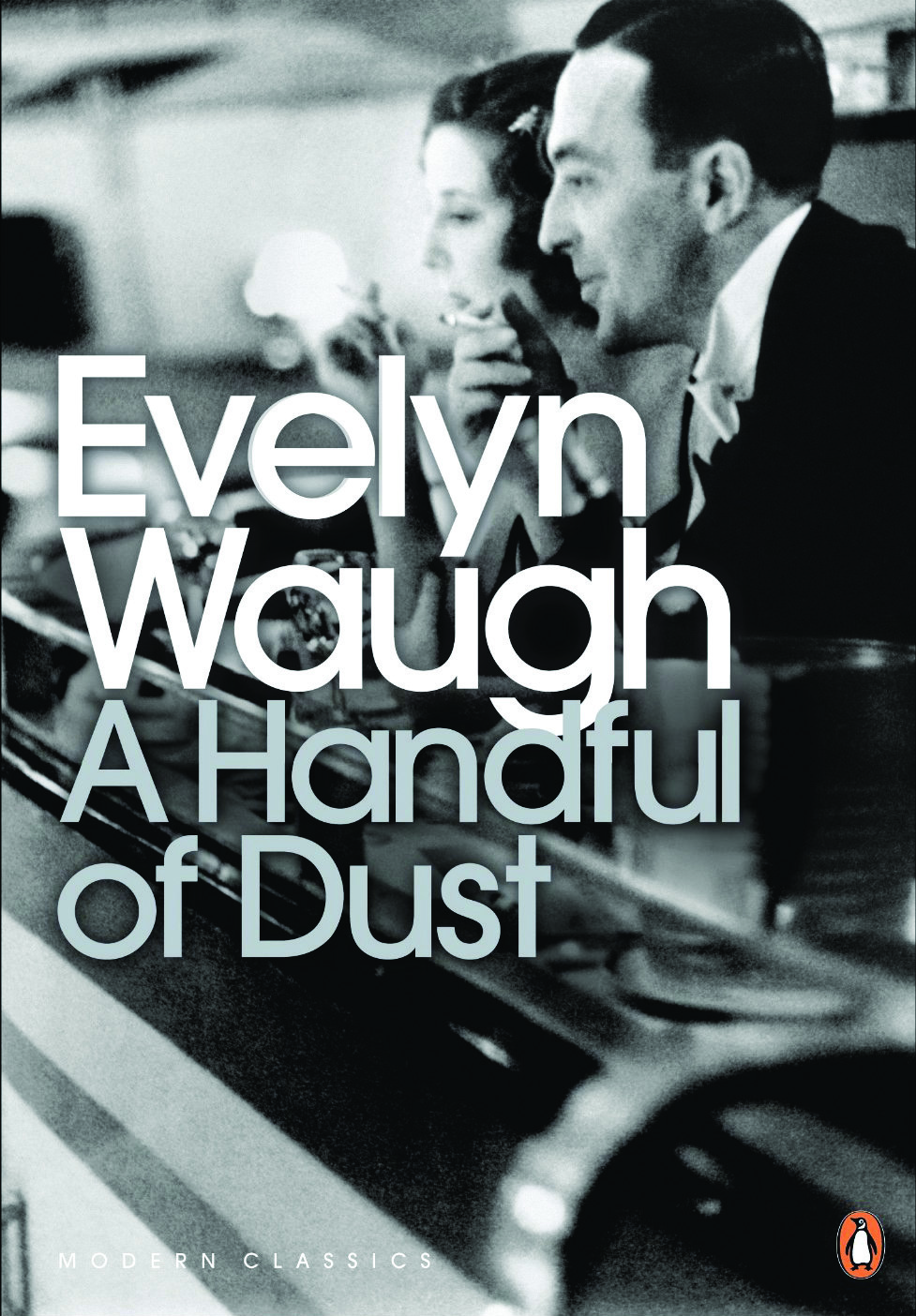
handfulofdust


[button color=”blue” size=”small” link=”http://englishbookgeorgia.com/catalogue/shop/modernclassics/a-handful-of-dust/” target=”blank” ]Buy the Book[/button]

Anne Tyler

(October 25, 1941 – )

American author, Tyler, has written several novels, four of which have been finalists for the Pulitzer Prize. She wrote The Accidental Tourist and won the National Book Critics Circle Award for Fiction in 1985 and the Ambassador Book Award for Fiction in 1986. The novel was adapted into a 1988 award-winning film.

accidental


[button color=”blue” size=”small” link=”http://englishbookgeorgia.com/catalogue/shop/bookworms/the-accidental-tourist/” target=”blank” ]Buy the Book[/button]

Michael Morpurgo

(October 5, 1943- )

Morpurgo is an English author, poet, playwright and librettist who is known best for children’s novels. His novel, War Horse, has been adapted as a radio broadcast and as a stage play. It was also adapted as a 2011 British film.
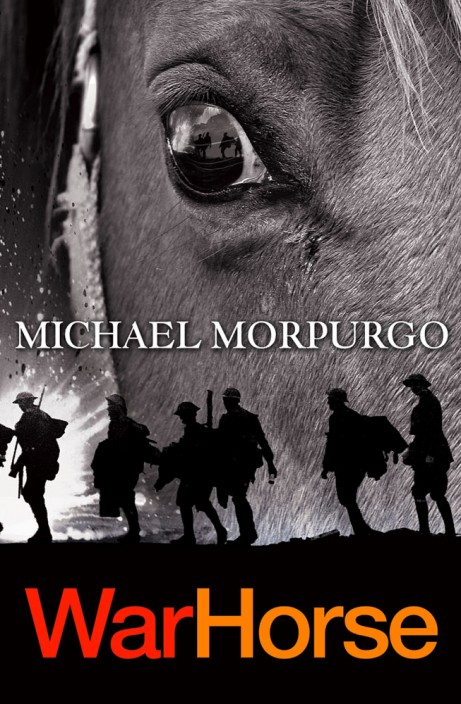
War_Horse


[iphorm_popup id=”1″ name=”მოითხოვე სასურველი წიგნი”]მოითხოვე სასურველი წიგნი/Order the Book[/iphorm_popup]

Desmond Bagley

(October 29, 1923 – April 12, 1983)

Bagley was a British journalist and novelist known for a series of best-selling thrillers. One such thriller is The Enemy which was turned into a film in 2001.

theenemy


[iphorm_popup id=”1″ name=”მოითხოვე სასურველი წიგნი”]მოითხოვე სასურველი წიგნი/Order the Book[/iphorm_popup]

Ed McBain

(October 15, 1926 – July 6, 2005)

McBain was an American author and screenwriter but was best known for his crime fiction such as King’s Ransom.
kingsransom


[iphorm_popup id=”1″ name=”მოითხოვე სასურველი წიგნი”]მოითხოვე სასურველი წიგნი/Order the Book[/iphorm_popup]
 

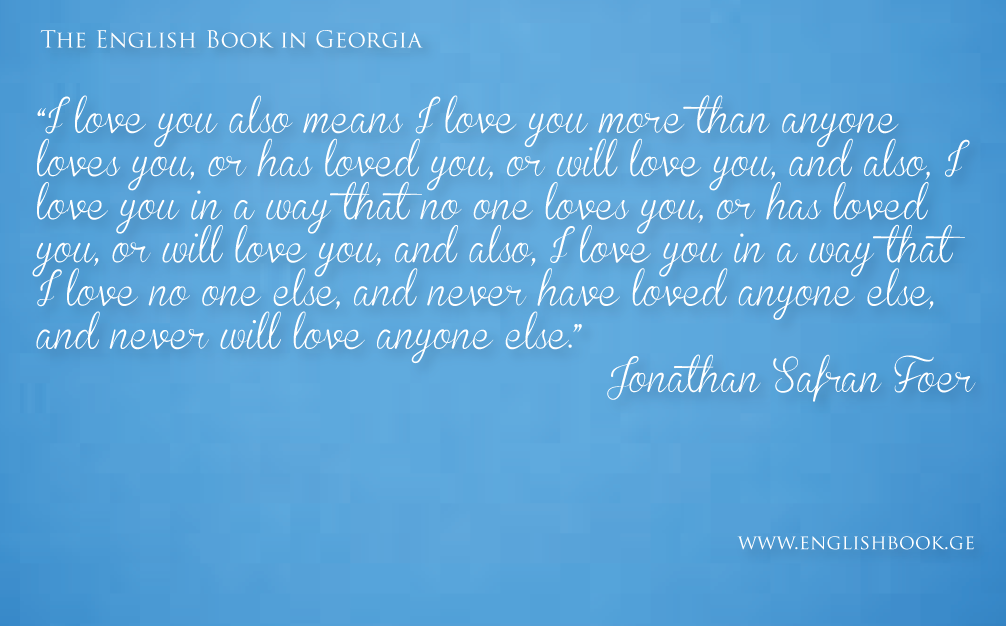
Inspirational Quotes


Deprecated: preg_match_all(): Passing null to parameter #2 ($subject) of type string is deprecated in /home2/englita2/public_html/blogebg/wp-includes/media.php on line 1893

Deprecated: str_contains(): Passing null to parameter #1 ($haystack) of type string is deprecated in /home2/englita2/public_html/blogebg/wp-includes/shortcodes.php on line 150

Deprecated: preg_split(): Passing null to parameter #2 ($subject) of type string is deprecated in /home2/englita2/public_html/blogebg/wp-includes/formatting.php on line 3492

Educator’s Methodology: Part 3: 5 Quick Classroom-Management Tips for Novice Teachers

classroom-management

When it comes to managing a classroom, most of what new teachers learn is trial by fire. It’s also smart to heed the advice of those who have walked — and stumbled — before you. If you are struggling with discipline, here are five tips that you can start using right away:

1.            Use a normal, natural voice

Are you teaching in your normal voice? Every teacher can remember this from the first year in the classroom: spending those first months talking at an above-normal range until one day, you lose your voice.

Raising our voice to get students’ attention is not the best approach, and the stress it causes and the vibe it puts in the room just isn’t worth it. The students will mirror your voice level, so avoid using that semi-shouting voice. If we want kids to talk at a normal, pleasant volume, we must do the same.

You want to also differentiate your tone. If you are asking students to put away their notebooks and get into their groups, be sure to use a declarative, matter-of-fact tone. If you are asking a question about a character in a short story, or about contributions made by the Roman Empire, use an inviting, conversational tone.


2.            Speak only when students are quiet and ready

A 20-year teaching veteran advises that you should just wait and then wait some more until all students were quiet.

So try it! Fight the temptation to talk. Sometimes you may have wait much longer than you think could hold out for. Slowly but surely, the students would cue each other: “Sshh, she’s trying to tell us something,” “Come on, stop talking,” and “Hey guys, be quiet.” (They’ll do all the work for you!)

Your patience will pay off. And you’ll get to keep your voice.


3.            Use hand signals and other non-verbal communication

Holding one hand in the air and making eye contact with students is a great way to quiet the class and get their attention on you. It takes awhile for students to get used to this as a routine, but it works wonderfully. Have them raise their hand along with you until all are up. Then lower yours and talk.

Flicking the lights off and on once to get the attention is an oldie but goodie. It could also be something you do routinely to let them know they have three minutes to finish an assignment or clean up, etc.

With younger students, try clapping your hands three times and teaching the children to quickly clap back twice. This is a fun and active way to get their attention and all eyes on you.


4.            Address behavior issues quickly and wisely

Be sure to address an issue between you and a student or between two students as quickly as possible. Bad feelings — on your part or the students — can so quickly grow from molehills into mountains.

Now, for handling those conflicts wisely, you and the student should step away from the other students, just in the doorway of the classroom perhaps. Wait until after instruction if possible, avoiding interruption of the lesson. Ask naive questions such as, “How might I help you?” Don’t accuse the child of anything. Act as if you do care, even if you have the opposite feeling at that moment. The student will usually become disarmed because she might be expecting you to be angry and confrontational.

And, if you must address bad behavior during your instruction, always take a positive approach. Say, “It looks like you have a question” rather than, “Why are you off task and talking?”

When students have conflicts with each other, arrange for the students to meet with you at lunch, after or before school. Use neutral language as you act as a mediator, helping them resolve the problem peacefully or at least reach an agreeable truce.


5.            Always have a well-designed, engaging lesson

This tip is most important of all. Perhaps you’ve heard the saying, if you don’t have a plan for them, they’ll have one for you. Always over plan. It’s better to run out of time than to run short on a lesson.

Bored students equal trouble! If the lesson is poorly planned, there is often way too much talking and telling from the teacher and not enough hands-on learning and discovery by the students. We all know engaging lessons take both serious mind and time to plan. And they are certainly worth it — for many reasons.

Share with us your classroom management experiences: What specific challenges are you having? What strategies have worked well for you and your students? Please share in the comment section.

[button color=”blue” size=”small” link=”http://www.edutopia.org/blog/classroom-management-tips-novice-teachers-rebecca-alber” target=”blank” ]Source[/button]


Inspirational Quotes


Deprecated: preg_match_all(): Passing null to parameter #2 ($subject) of type string is deprecated in /home2/englita2/public_html/blogebg/wp-includes/media.php on line 1893

Deprecated: str_contains(): Passing null to parameter #1 ($haystack) of type string is deprecated in /home2/englita2/public_html/blogebg/wp-includes/shortcodes.php on line 150

Deprecated: preg_split(): Passing null to parameter #2 ($subject) of type string is deprecated in /home2/englita2/public_html/blogebg/wp-includes/formatting.php on line 3492

Kickboxing Kangaroos Take Over Street in Australia and Interesting Kangaroo Facts

Two large kangaroos were filmed brutally battling it out in the suburbs of New South Wales, in a bouncy brawl lasting more than five minutes.

The incredible clip, filmed on the Central Coast, shows the two animals throwing vicious punches and using their long tails for support as they repeatedly kick each other.

The fight begins in the street, beside a parked car, but winds onto front lawns and into home driveways.

Who won? You be the judge.

Facts About the Kangaroo

  • There are four different kangaroo species: the red kangaroo, eastern grey kangaroo, western grey kangaroo and antilopine kangaroo.
  • Kangaroos can’t walk backwards.
  • Kangaroos can jump very high, sometimes three times their own height.
  • Kangaroos can hop around quickly on two legs or walk around slowly on all four.
  • A group of kangaroos is called a ‘mob’, ‘troop’ or ‘court’.
  • Male kangaroos are called ‘boomers’, ‘bucks’ or ‘jacks’; females are ‘does’, ‘flyers’, or ‘jills’, and the young ones are ‘joeys’.
  • Kangaroos usually live to around six years old in the wild.
  • Their diet is mainly different grasses and can survive long periods without water.
  • Male kangaroos usually fight over female kangaroos.
  • Kangaroos are intensely territorial. There can be only one alpha male (boss) in a mob, and younger bucks will certainly fight for their chance to rise to the top of the mob. Male kangaroos will also fight newcomers to the mob.
  • They fight by standing on their rear legs and attacking with their front legs. A kangaroo can also balance its body on its powerful tail and strike out with its strong rear legs, the claws of which are deadly sharp.

Book of the Week: Extremely Loud and Incredibly Close (film tie-in) by Jonathan Safran Foer

Oct 23 - Extremely Loud...

Nine-year-old Oskar Schell is an inventor, amateur entomologist, Francophile, letter writer, pacifist, natural historian, percussionist, romantic, Great Explorer, jeweler, detective, vegan, and collector of butterflies. When his father is killed in the September 11th attacks on the World Trade Center, Oskar sets out to solve the mystery of a key he discovers in his father’s closet. It is a search which leads him into the lives of strangers, through the five boroughs of New York, into history, to the bombings of Dresden and Hiroshima, and on an inward journey which brings him ever closer to some kind of peace.

[button color=”blue” size=”small” link=”http://englishbookgeorgia.com/catalogue/shop/bestsellers/extremely-loud-and-incredibly-close-film-tie-in/”  target=”blank” ]Buy the Book[/button]


5 Things You Should Know About Young Adult Fiction

young adult novels

1.         Young Adult is not a genre. We hear that often — “the YA genre.” You’re wrong. Don’t call it that. Stop it. But seriously, Young Adult is a proposed age range for those who wish to read a particular book. It is a demographic rather than an agglomeration of people who like to read stories

2.         The average Young Adult novel probably hovers around the 70,000 word mark — shorter if it leans away from genre and toward literary. Particularly, for the first book in a series.

3.         They also tend to be more quickly paced and with a great deal of dialogue. Some young adult books read with almost the spare elegance of a really sharp, elegant screenplay.

4.         Adults are rarely the main characters of a young adult book. Why would they be? They don’t have teen problems. They’re witnesses, at best. That said, adults can be the supporting characters (though usually still peripheral to the teen world — teachers, parents, older siblings) and they can also certainly be the villains.

5.         Adults read a lot of young adult fiction, particularly “cross-over” fiction that leans toward the higher end of that teen age range. One might speculate adults like it because it recaptures some part of their youth. Or that adults are frequently not as grown up as they’d prefer these days.

William “Bill” Henry Gates III

William “Bill” Henry Gates (born October 28, 1955) is an American business magnate, investor, computer programmer, inventor and philanthropist. Gates is the former chief executive and chairman of Microsoft, the world’s largest personal-computer software company, which he co-founded with Paul Allen.

Bill Gates Holding Microsoft Windows 1.0 Disk

During his career at Microsoft, Gates held the positions of CEO and chief software architect, and remains the largest individual shareholder, with 6.4 percent of the common stock. He has also authored or co-authored several books.

Gates is one of the best-known entrepreneurs of the personal computer revolution. But he has also pursued a number of philanthropic endeavors, donating large amounts of money to various charitable organizations and scientific research programs through the Bill & Melinda Gates Foundation, established in 2000.

http://www.youtube.com/watch?v=iADTpgRXYrk

For more information on Bill Gates, go to the links below:

[button color=”green” size=”small” link=”http://www.forbes.com/profile/bill-gates/” ]Bill Gates – Forbes Profile[/button]

[button color=”purple ” size=”small” link=”http://www.achievement.org/autodoc/page/gat0bio-1″ ]Bill Gates Biography – Academy of Achievement[/button]


Interesting Words and Expressions – Two wrongs don’t make a right

two wrongs dont make a right

Two wrongs don’t make a right. So does that mean they make a left? No?

No. It means that when someone has done something bad to you, trying to get revenge will only make things worse. So it’s better to maintain your ethics and don’t take revenge.

In the words of Mahatma Ghandi: