
Tag Archives: Interesting Expression

საინტერესო სიტყვები და გამონათქვამები – If it ain’t broke, don’t fix it

“If it ain’t broke, don’t fix it.”
What does it mean?
Don’t try to improve something that already works fairly well. You’ll probably end up causing new problems.

Where does it come from?
It’s been a colloquial phrase in the southern states of the USA. For example, this piece is from the Texas newspaper The Big Spring Herald, December, 1976:
“We would agree with the old Georgia farmer who said his basic principle was ‘If it ain’t broke, don’t fix it.'”
The phrase has to be American. In England things don’t get broke, they get broken. ‘Ain’t broke’ is intended as a knowing southern yokelism, as opposed to ‘proper’ American, but it is one that wouldn’t have originated anywhere else.

საინტერესო სიტყვები და გამონათქვამები – Practice makes perfect

“Practice makes perfect.”
What does it mean?
You have to practice a skill a lot to become good at it.

Where does it come from?
The proverb has been traced back to the 1550s-1560s, when its form was ‘Use makes perfect.‘ The Latin version is: ‘Uses promptos facit.’ It was first used in it’s current form in the United States of Americca in ‘Diary and Autobiography of John Adams’.
საინტერესო სიტყვები და გამონათქვამები – You can’t always get what you want

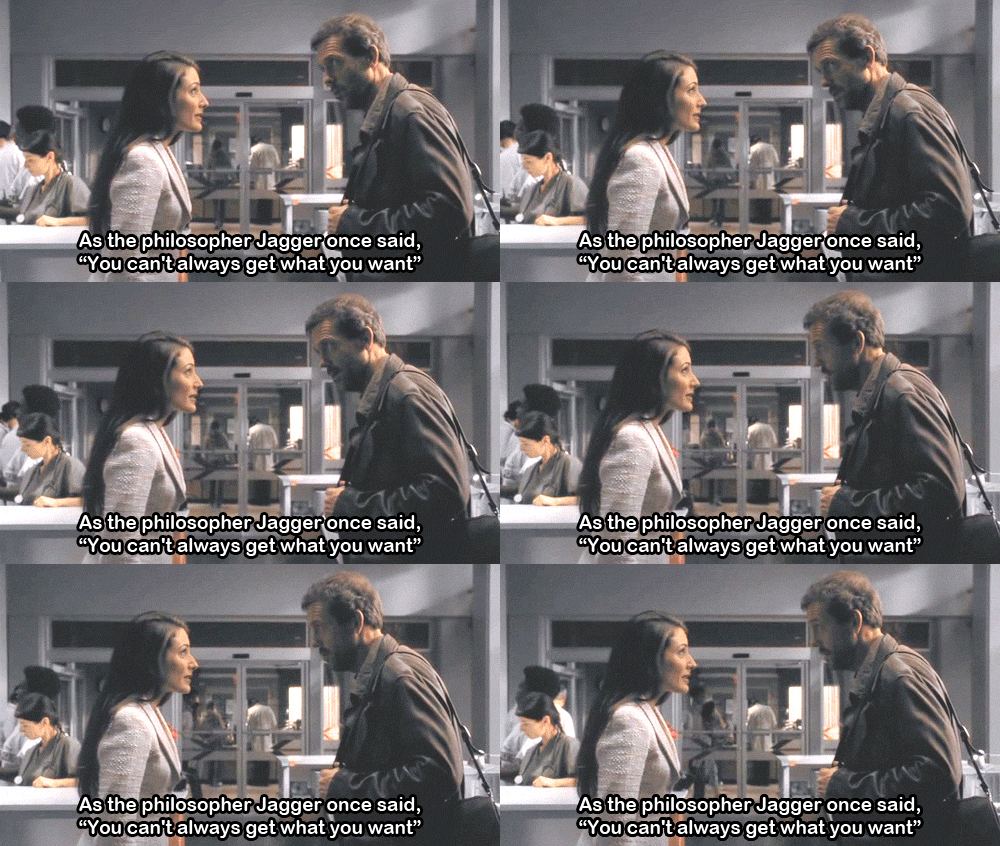
“You can’t always get what you want.”
What does it mean?
Don’t whine and complain if you don’t get what you wanted.
Where does it come from?
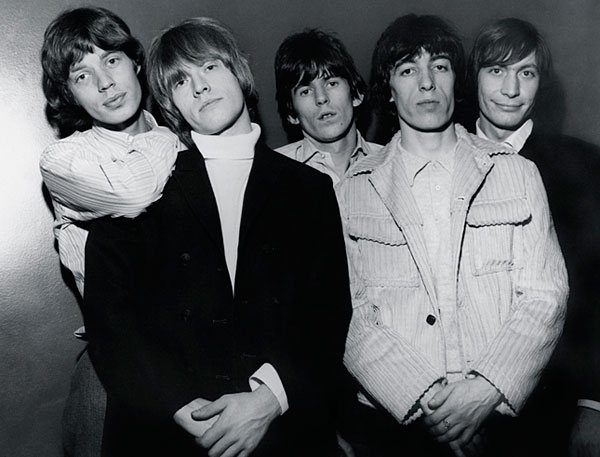
It’s actually a song written in 1968 by Mick Jagger and Keith Richards of the Rolling Stones.
Of the song, Jagger said: “‘You Can’t Always Get What You Want’ was something I just played on the acoustic guitar—one of those bedroom songs. It proved to be quite difficult to record because Charlie (the band’s drummer) couldn’t play the groove and so Jimmy Miller (the band’s producer) had to play the drums. I’d also had this idea of having a choir, probably a gospel choir, on the track, but there wasn’t one around at that point. Jack Nitzsche, or somebody, said that we could get the London Bach Choir and we said, ‘That will be a laugh.'”
საინტერესო სიტყვები და გამონათქვამები – There’s no such thing as a free lunch

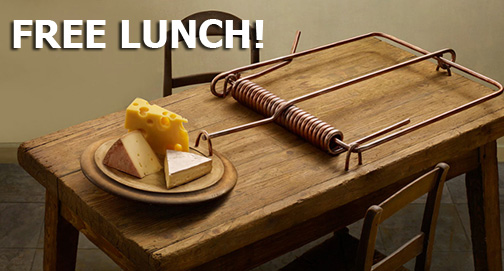
“There’s no such thing as a free lunch.”
What does it mean?
Things that are offered for free always have a hidden cost.

Where does it come from?
Free lunch was a commonplace term in the USA from the mid 19th century onward. It wasn’t used to describe handouts of food to the poor and hungry though, it denoted the free food that American saloon keepers used to attract drinkers; for example, this advertisement for a Milwaukee saloon, in The Commercial Advertiser, June 1850:
At The Crescent…
Can be found the choicest of Segars, Wines and Liquors…
N. B. – A free lunch every day at 11 o’clock will be served up.
Free lunches, often cold food but sometimes quite elaborate affairs, were provided for anyone who bought drink. This inducement wasn’t popular with the temperance lobby and so the economy and thinking changed to where saloon customers always ended up paying for the food in the price of the drinks they were obliged to consume. Indeed, some saloon keepers were prosecuted for false advertising of free lunch as customers couldn’t partake of it without first paying money to the saloon.
It was into this context that the economic theorists enter the fray and ‘there’s no such thing as a free lunch‘ is coined. It isn’t known who coined the phrase.
საინტერესო სიტყვები და გამონათქვამები – Birds of a feather flock together

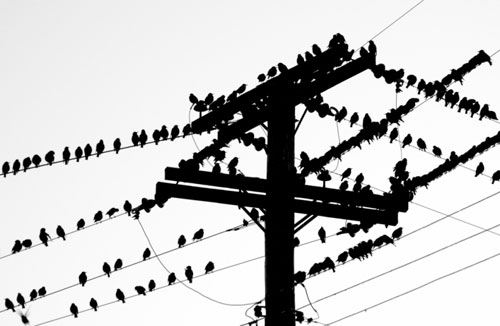
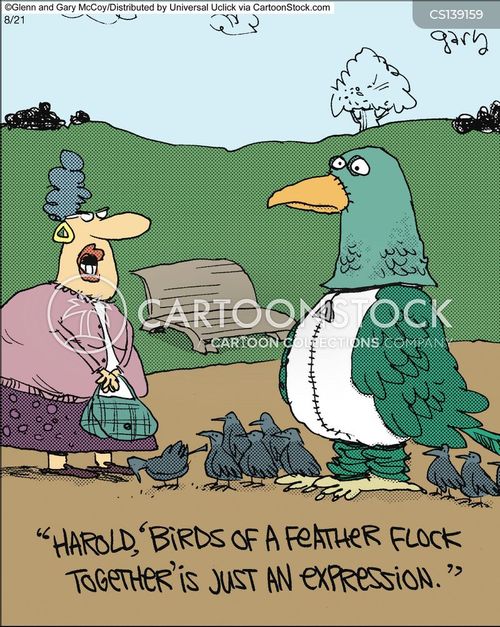
“Birds of a feather flock together.”
What does it mean?
People like to spend time with others who are similar to them.
Where does it come from?
This proverb has been in use since at least the mid 16th century. In 1545, William Turner used a version of it in his papist satire The Rescuing of Romish Fox:
“Byrdes of on kynde and color flok and flye allwayes together.”
საინტერესო სიტყვები და გამონათქვამები – A watched pot never boils
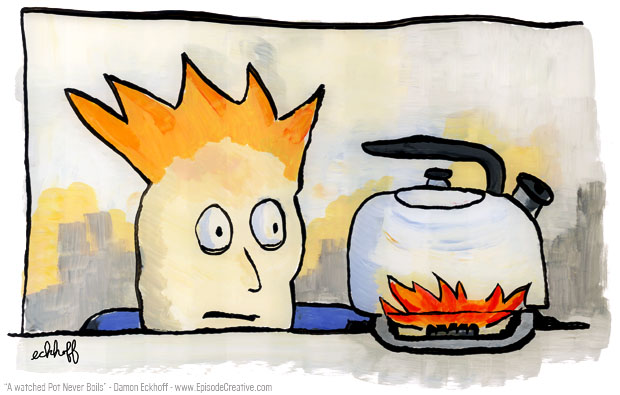
“A watched pot never boils.”
What does it mean?
If something takes time to finish, don’t watch it too closely because it will seem like it’s taking forever.

Where does it come from?
‘A watched pot never boils’ is one of the homely and improving proverbs that is ascribed to Poor Richard, which was the pseudonym that Benjamin Franklin used when publishing his widely popular annual almanac.
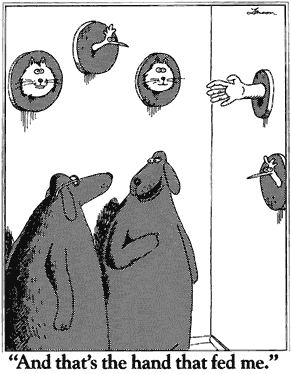
საინტერესო სიტყვები და გამონათქვამები – Don’t bite the hand that feeds you

“Don’t bite the hand that feeds you.”
What does it mean?
If someone’s paying you or helping you out, you have to be careful not to make them angry or say bad things about them. Don’t turn on someone who has supported you spiritually or physically.
Where does it come from?
It was used about 600 b.c. by the Greek poet Sappho, this metaphor of a dog biting its master was first recorded in English in 1711.

საინტერესო სიტყვები და გამონათქვამები – You can’t make an omelet without breaking a few eggs

“You can’t make an omelet without breaking a few eggs.”
What does it mean?
When you try to do something great, you’ll probably make a few people annoyed or angry. Don’t worry about those people; just focus on the good results.
Where does it come from?
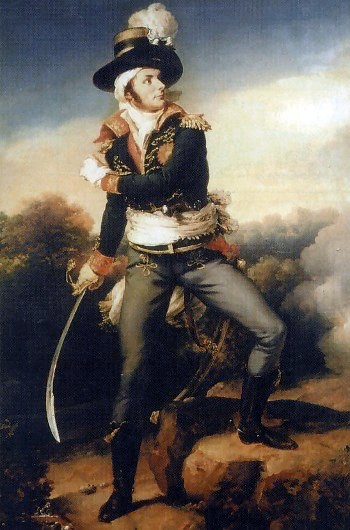
This saying was said by François de Charette. He was one of the leaders of a Royalist counter-revolt in the Vendée region of France during the French Revolution. The War in the Vendée, as it’s now known, lasted several years and resulted in the deaths of hundreds of thousands. In March of 1796, Charette was captured by republican forces and put on trial, during which, according to Walker’s account:
It was remarked to him that he had caused the death of a great many persons. Yes, he replied, omelets are not made without breaking eggs.”

საინტერესო სიტყვები და გამონათქვამები – The early bird catches the worm

“The early bird catches the worm.”
What does it mean?
Whoever arrives first has the best chance of success; some opportunities are only available to the first competitors.

Where does it come from?
This is first recorded in John Ray’s A Collection of English Proverbs 1670, 1678:
The early bird catcheth the worm.”
Clearly, the title of the work indicates that this was considered proverbial even in the 17th century.