
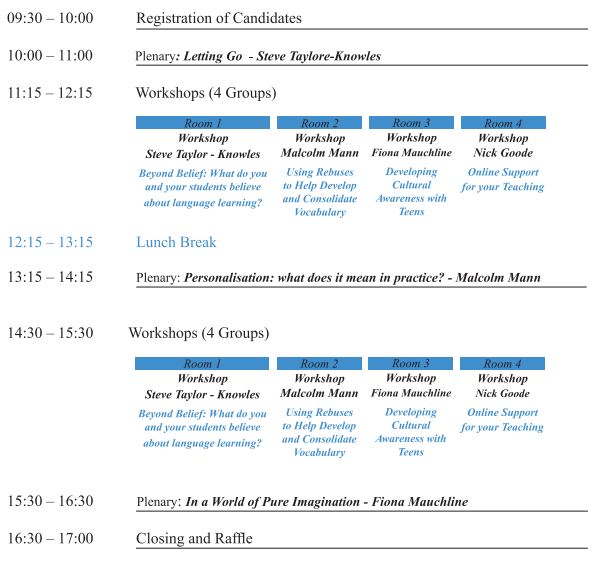
Our Batumi Schedule (24 June 2015):
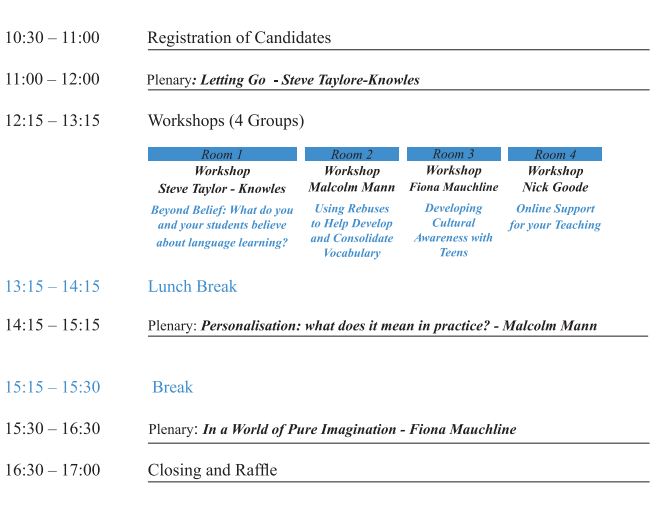
Our Kutaisi Schedule (25 June 2015):
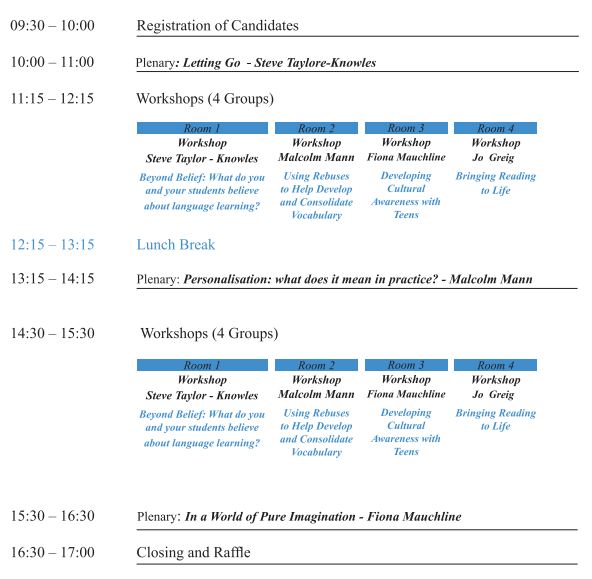
Our Tbilisi Schedule (26 June 2015):
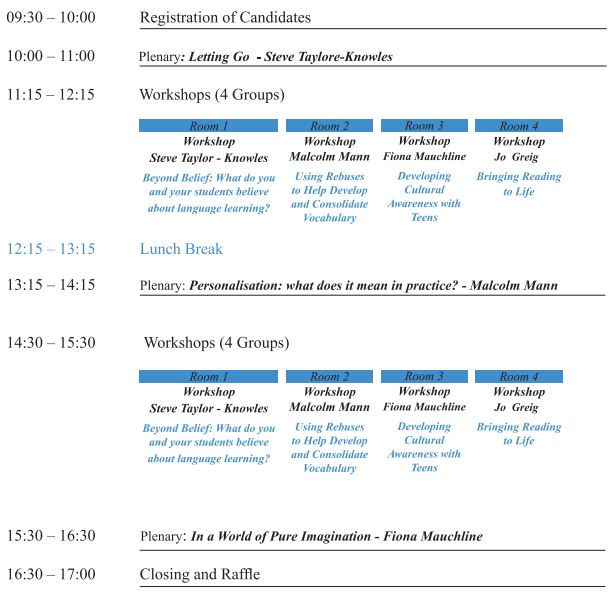
Our Tbilisi Schedule (27 June 2015):
content-views-query-and-display-post-page domain was triggered too early. This is usually an indicator for some code in the plugin or theme running too early. Translations should be loaded at the init action or later. Please see Debugging in WordPress for more information. (This message was added in version 6.7.0.) in /home2/englita2/public_html/blogebg/wp-includes/functions.php on line 6170js_composer domain was triggered too early. This is usually an indicator for some code in the plugin or theme running too early. Translations should be loaded at the init action or later. Please see Debugging in WordPress for more information. (This message was added in version 6.7.0.) in /home2/englita2/public_html/blogebg/wp-includes/functions.php on line 6170gravity-forms-pdf-extended domain was triggered too early. This is usually an indicator for some code in the plugin or theme running too early. Translations should be loaded at the init action or later. Please see Debugging in WordPress for more information. (This message was added in version 6.7.0.) in /home2/englita2/public_html/blogebg/wp-includes/functions.php on line 6170

To keep our students sharp over the summer, we often assign subject-specific reading, math drills, and projects. However, as educators, we also need to hone our own skills, develop new ideas, and reflect on our practice. Here are five ways to kickstart your summer learning.
When planning curriculum or attending professional development, we collect resources — both physical and digital. However, we need an efficient way to organize what we find valuable. In the past, this has resulted in the accumulation of binders or folders, but now we also have files scattered across devices.
Take time this summer to create a learning archive. A great digital system supports the individual learner and can be saved, searched, or shared. Whether you choose Evernote, OneNote, or Google Drive, think about how you can start organizing all of your learning and making it accessible from any device and at any time. If you prefer handwritten notes on paper, make sure to pick a tool that allows you to easily take pictures of those notes, add them to your archive, and search them later.
In addition to collecting notes, think about how you might archive online resources. You could add links and notes to a Google Doc or an Evernote note, or build a shareable library using Diigo or Pinterest.
Not only is summer a great time to get organized for the coming school year, but it’s also a fantastic time to explore.
Though many schools assign summer reading books to their faculties, we would recommend adding one of these titles to your list:
500 Activities for the Primary Classroom by Carol Read
Children Learning English by Jayne Moon
Learning Teaching: A Guidebook for English Language Teachers by Jim Scrivener
Teaching Practice by Roger Gower, Diane Phillips and Steve Walters
Teaching English Grammar by Jim Scrivener
If you already have or want to set up a class website or blog, an email newsletter for parents, or a learning management system take time over the summer to design and test your digital space.
Your current students have become comfortable in your classroom, office, or lab. They understand your expectations and routine. Fast-forward to fall. What do you want your students to think when they enter your space? Is this a class where they’ll engage in group work and discussion? Do they have choice in how they demonstrate their learning? What do you have on the walls? Where is your desk? All of these considerations help set the tone for your students.

By Dr. Allen Mendler: Author, speaker, educator
Even though your toughest students are just kids at the mercy of emotions they don’t understand or can’t control, it can be hard for a teacher to stay calm and not take these ongoing behavioral problems personally. My advice: it’s time to hit the reset button!
Tough kids are usually covering a ton of hurt. They defend against feeling pain by erecting walls of protection through rejection. Efforts to penetrate those walls by caring adults are generally met with stronger resistance expressed through emotional withdrawal and/or offensive language, gestures, and actions. Like a crying baby unable to articulate the source of its discomfort, these kids desperately need patient, determined, and affectionate adults with thick skin who refuse to take offensive behavior personally. Here are some ways to connect or reconnect with students who make themselves hard to like.
1. Express gratitude to your difficult students.
At a seminar that I gave at a school in Houston, one of the teachers talked about the turn-around in a boy from her class the year before who had been driving her crazy. She was determined to “love him even more” as her primary intervention. She initiated an “I need a hug” ritual by telling him that since she had no son at home to hug, she needed a “little boy hug” every day to get her day started in a happy way. She asked him to take the job, and every day, “little boy hugger” performed his function. Although challenges remained, mostly due to this child’s very unpredictable home situation, his classroom behavior showed substantial improvement.
Since hugging isn’t always appropriate, consider this strategy. For two weeks, try expressing something positive every day to each of your difficult students. Hard as it might be, make your first interaction each day something welcoming. For example, when a chronically late and uninterested student arrives, fight the temptation to ignore, tersely request a viable excuse, or hand out a late slip. Instead, make your first comment an expression of appreciation for coming. For example:
Carson, I was hoping you’d show up — and you did. Welcome! By the way, we’re on page 62.
Wait until there is no audience around before you express concern and/or give a consequence for the student’s behavior:
Carson, I am concerned that you continue to fall behind because you’re often missing part or all of class. Here’s your late slip, but much more important to me is knowing how I might help you get here on time. What’s going on?’
2. Use encouraging statements every day.
Words of encouragement get and keep students connected and motivated. Below are a dozen examples. Find an excuse to share at least a few of these every day.
You really hung in there by _______.
That was really cool.
Wow, you pushed yourself today, and it really worked out.
I was so impressed today when you _______.
It was awesome to see you _______.
That took some special effort.
I hope you feel proud about _______, because you should.
Thanks for putting a smile on my face when you _______.
It’s not easy to _______, but you are making it happen.
Your cooperation is really appreciated. Thanks.
That was flat-out good!
Congratulations! (And then be specific about what you are congratulating.)
3. Act toward your worst student the way you act toward your best student.
Who is your best-behaved or most motivated student? When you think about that student, what adjectives come to mind? When you interact, what comments come naturally? When the student makes a mistake, how do you usually react? For one week, try acting toward your worst-behaved or least-motivated student in the same way, and see what happens.
A teacher at an elementary school that I recently visited told me about Ken, a fifth grade student who had developed a bad reputation but was making an effort to turn things around. Transitions were especially difficult. Knowing there was going to be a substitute teacher the next day, Ms. Silver told Ken, “Tomorrow a sub is going to be here. I expect responsible behavior, and there’ll be consequences if I hear otherwise.” The sub reported that Ken was awful. When Ms. Silver returned, she told him that she was stuck between a rock and a hard place because, although she was proud of his overall progress, she was very disappointed with his recent behavior. When she asked him what he thought would be a fair consequence he said, “If I was a good kid in this school, what would you do?” She said that she would probably ask the student to explain what happened, why it happened, and what he thought a good consequence would be. Ken looked her straight in the eye and said, “Well, then that is what you should do to me.”
4. Send the parents a “positive postcard.”
Prepare an email or note home that briefly describes positive behavior or an achievement that you’ve recently observed. Show it to the student before sending it. If you haven’t seen positive behavior that you can genuinely acknowledge, write a positive note or email as if a behavior you are seeking has already happened. Show it to the student. Ask him or her to tell you when it would be a good time to send it.
[button color=”blue” size=”small” link=”http://www.edutopia.org/blog/fresh-starts-hard-to-like-students-allen-mendler” target=”blank” ]Source[/button]

by Johanna Rauhala (Peer Coach, Teacher, Writer, Parent)
Ice crystallized on the windshield, then a tire burst on the way to school, making you late. By the time you arrived, the computer (with the video clip and presentation cued up) froze. Minutes later, Jason pulled the fire alarm while you tried to catch up on parent emails. During lunch duty, an honor student was punched in the nose. Your nose is stuffy while you explain to the principal right before an IEP meeting why your plans haven’t been submitted yet. The day trudges along. . . At last, the final bell rings, and in your first quiet moment of the day, thoughts of leaving the teaching profession suddenly seem, well, right.
It’s that moment when you want to say, “I quit!”
We don’t talk about those feelings because we’re supposed to be like those heroic teacher-as-savior figures that permeate popular narratives about our work. And yet. . .
Here’s a secret. Most teachers, at some point, feel like giving up. Most feel the weight of not having done enough, feel the frustrations of negative media attention, and feel challenged by apathetic or disruptive students. Sometimes, the limits and loneliness of the lighthouse keeper are overwhelming. That’s when the enormity of our task feels insurmountable and we despair.
Driving home from such a day, we can be tempted to call in sick and plan for a sub. Sometimes that’s the right call. But there is another opportunity, too. You can take that empathy and understanding normally reserved for students and focus it on yourself. You can consider some strategies for gently accepting your circumstances, reflecting on what is needed, and preparing to return tomorrow. Consider these strategies:
Call a trusted colleague, preferably one who’s been teaching a long time. Vent. Cry. Laugh hysterically and have a glass of beer or wine. Tell them about your struggles and frustrations. All teachers can recount a story of a crazed student or parent. Just ask them. Take this time to break the isolation of our work. No one escapes from teaching — or for that matter, any profession — without wondering if he or she made the right choice. Not even Teachers of the Year. In other words, dear colleague, you are not alone.
This sounds simple, and it is. Sit with the discomfort and notice it. Acknowledge frustrations of the day and then let them go. Listen to your self-talk and try to be kind to yourself. Practice slow breathing. If possible, carry this habit into your workday. It will create space for less reactivity and a more grounded emotional stance.
Consider pausing the scheduled lesson, and instead, take time to engage in team-building activities with your students. An English teacher that I read about, after weeks of essays and test prep, surprised his 12th grade class with a game of kickball out on the blacktop. The sun shone, the kids ran like mad, and everyone came back laughing. It was crazy, unanticipated, and utterly glorious.
Do stacks of papers line your desk? Are parents waiting for your email? Are there field trip permission slips to process? Is the lab set up for tomorrow? Here’s what to do when the onslaught of tasks overwhelms you — write a list of everything that needs to get done in the next two days. (Yes. Write it down. The physical act of writing provides a sense of control.) Look at this list and choose the top three tasks. These three are the must-dos, urgent actions that will help you survive until the next day. After completing the must-dos, cross them off your list and go to sleep early.
Teaching need not consume you. Devoting all of our waking hours to teaching primes us for burnout. And burnout is real. It happens when the demands and expectations of our work drown out our joy. Your other roles are important, too: friend, spouse, sibling, hiker, reader, dancer, joke-teller, or baker — a million other energizing possibilities. These other facets to your personality might need attention. So forget work over the weekend. Go to the forest or to a ball game. Get a massage. Try not to let happiness slip away. We can be good, caring, rigorous teachers, but sacrificing our personal lives is a costly and unsustainable price.
“There are stirrings of life in discontent,” wrote E.M. Forster, meaning that even in frustration and despair, a small flame wants to warm us. Life — ours and those of our students — nudges us. It is not wild or stormy, and chances are that it’s barely a flicker. And on the worst school day, it may not be felt at all. But trust that life is there. And when you open your classroom door tomorrow morning, you will find it.
[button color=”blue” size=”small” link=”http://www.edutopia.org/blog/strategies-recovering-worst-day-teaching-johanna-rauhala” target=”blank” ]Source[/button]

Even if you are “humor challenged,” there are things you can do to lighten the load and dissipate the clouds in your classroom. Just remember, above all, that sarcasm has no place in the school. Only “no hurt” humor is acceptable.
Let’s add some more enjoyment to school. We don’t need guffaws — a smile and a little levity can go a long way. It’s time for us educators to take humor more seriously.
Have you fallen into the trap of saying “No talking!” or “I need quiet!” all day long? It’s exhausting to keep repeating your requests for silence, and after the hundredth time, kids just tune you out, anyway. There have been some great discussions about how to get students to quiet down and we want to share what’s worked for teachers in their classroom. Teachers’ names are written in parentheses where applicable.
1. Sing a song.
For the youngest students, use finger plays like the Itsy Bitsy Spider and Open, Shut Them. Students of any age will respond to simple tunes and call-backs, such as “Dadadadadada…Da da!” and “Bum, bada bum bum…Bum, bum!” Since Scott R. loves sports, he starts singing the ESPN tune and has the kids finish it. Bianca G. sings the Wada Wada Bing Bang song with her class, and says, “If they are singing they can’t be talking. The goal is not to sing it more than once.”
2. Play a song.
If you’re not comfortable singing with your class, try playing music on your computer or CD player. You can use kids’ songs, popular music, classical or jazz songs you want to expose the kids to, songs related to your unit of study, etc. I like to use clips of shorter songs–just thirty to sixty seconds. Use the same song daily for several weeks, and teach kids that when the music stops, instruction begins.
3. Use a special sound.
Bethany M. uses a zen chime with a long sustain. She told her students to listen quietly to the chime and raise their hands when it stopped ringing. It became like a game: “The students would strain to hear it–no one wanted to be the first to raise their hand. Within two seconds, it was so silent you could have heard a pin drop.”
Here are some other ideas for sound signals:
a) bells
b) wind chimes
c) buddha bowls
d) tingshas
e) triangles
f) rattles
g) rainsticks
h) harmonicas
i) train whistles

4. Clap out a rhythm.
Leigh E. says, “I will walk over near a few students and in a calm, normal-volume voice say, ‘Clap twice if you can hear me.’ The few students will clap. Then, I repeat it again. Now, more students are quiet and listening. I will calmly repeat (changing the number of claps) until I have the attention of the entire room. Typically, this will quiet a classroom within 20 seconds, and an auditorium or cafeteria of hundreds of students in less than a minute. I have been using this for years, and it still works!”
5. Get kids moving.
Call-and-responses that include some kind of physical movement are especially effective. Marina T. uses this one: “Drop it [they have to actually drop what’s in their hands], Zip it [mouths are closed], Lock it [all eyes are locked on the teacher.] Then we all clap once together.” Stephanie W. uses this: “Take a seat, take a seat…Take a load off your feet, whoop whoop [raise arms on the whoop whoop].” Another idea is to play a Simon Says-like game: “If you can hear me, put your hands on your head” and so on with different directions to get kids moving.
6. Do a countdown.
For example, you could say, “When I get to zero, I need you the room to be completely quiet. 10, 9, 8…” When time is up, move on to the next activity just like you said you’d do, and let stragglers catch up without acknowledging them except to help as needed. If you’re consistent with this, students will learn you mean what you say and they have to keep pace! Diana S. trained her third graders in what she calls the Five Finger Technique: “Any time I held my hand in the air, any child who saw it started counting to 5, and by the time we got there everyone should have stopped, faced me, closed their mouths and opened their ears.” Since she taught on a reservation, sometimes she did the countdown in her students’ native language, as well.
7. Try a hand signal.
Jenni S. shares this tip she uses with her eighth grade class: “I say, ‘Teaching in 5, teaching in 4, teaching in 3,’ all the way down to 1. We rehearse this in the beginning of the year. I hold up my hand and use my fingers as I talk. By the middle of the year, I don’t even say it anymore, I just put my hand up and the kids quiet down by 1.”
8. Use sign language.
I like to teach students the signs for quiet, stand up, sit down, line up, and other basic directions. It’s much gentler (and less exhausting) to show a sign all day long than to keep repeating yourself! When you want quiet, simply show the sign for quiet and have students mimic it back. Here’s an article on various sign language signs for the classroom and how to use them.
9. Fill the room with quiet sprinkles.
This is a great one for the PreK-2 set, especially if you have a dramatic flair. Decorate a small container with glitter and sparkles and label it “Quiet Sprinkles.” Tell the class, “When I sprinkle these imaginary sprinkles on your head, you will become quiet and freeze, just like magic! Watch how it works!” and pretend to sprinkle some on a child’s head. Make a big show of gliding around the room and sweeping the sprinkles over your students. If you use this technique more than once or twice a month, it will lose its effectiveness, but it’s a lot of fun!
10. Try marshmallows and bubbles.
Beth O. tells her students to “pop a marshmallow in.” Right after she says the words, she puffs up her cheeks and taps them, and the kids do the same with their own cheeks (which stops them from talking.) She then makes eye contact with individual children as needed and taps one her puffed cheeks as a reminder. Elizabeth D. calls does something similar, but calls it “putting bubbles in your mouth” and says, “Remind students to have bubbles before you leave class and whenever needed! Works amazingly, and they are so cute when they do it!”
11. Get playful.
There’s not much time in the average classroom for play, so attention-getters can be a quick and easy way to incorporate some FUN in your classroom! Elissa S. says, “Sometimes I have a code word. At the moment it’s BANANA BREAD and when students hear it, they grab their ears with the opposite hand crossed in front of them.” Christopher O. uses a microphone and walks around like a talk show host. Lynda P. says, “Avengers, assemble for further instructions!” Sharris H., who teaches English in a computer lab, says “Jazz hands!” to get students’ hands off keyboards so she can have their attention.
12. Get sneaky.
JulieAnn S. says, “Talk softly to one group of students…the rest will want to hear what you are saying.” Lori S. advises, “Speak in an accent they don’t normally hear. They will all look to see who came in the room.” Barry G. tells his high schoolers, “Please don’t listen to what I’m about to say because I’ll probably be fired if they find out I said it. It gets concert-hall quiet!”
13. Use a concrete reminder.
Tracy C. uses a visual. She tells us, “I have a wand and attached a big check mark at the top (printed from the computer). I trimmed the check mark in red sparkly garland. I teach the kids on the first day of school when I hold the sign up that they are to ‘check in’. Whenever someone is chatty or not paying attention, I hold the sign in the air. The good listeners will inform the student who is breaking the rule by pointing to the sign. I never have to say a thing. The ‘check in” sign has been one of my classroom management tools for years.” Toni L. uses a wind up music box: “I wind it on Monday. Every time the class is noisy, I open it. If there is still music left on Friday, the class earns a treat.” If you don’t like to give tangible rewards to students, make the reward a class dance-off: play a favorite song for 2 or 3 minutes on Friday afternoon right before dismissal and let the kids have some fun!
14. Make it educational.
Robert B. teaches math, and tells his students, “Give me a factor of ___” and the kids hold up the correct number of fingers (i.e. “Give me a factor of 36″ and the kids hold up 6 fingers.)
15. Change techniques once a month or quarter to keep things fresh.
Anne P. advises, “Practice one attention grabber for two weeks, and praise, praise, praise when students respond as requested. Introduce another grabber once they have mastered the last, making it a treat to learn something new.”
Remember there is no “magic bullet” that will get all students’ attention all of the time. Don’t get frustrated! Constantly having to refocus your class is a normal part of teaching. Take a deep breath, smile, and keep encouraging your students. You can do this!

Do you have more students this year? Education budget cuts across the country are one cause of class-size increase in public schools. If you’ve found yourself with larger class sizes, or you’re a new teacher still grasping the often overwhelming experience of one of you and many of them, here’s some helpful tips:
Tip #1: Don’t Give Up on Collaborative Grouping
Students need opportunities to check in with each other around their learning, ask questions, guide each other and reflect together. And this is even more crucial with a large class. If a tight classroom space won’t allow for quick triads or quad grouping, use “elbow partners” — two students in close proximity. Do this often. As we know, with large class sizes, quiet students tend to get even less airtime. With less one-on-one time with small groups and individual students, teachers need to keep that large number of kids talking and being listened to. You can do a “turn and talk” even for just 27 seconds. Much can be discovered, wondered about, and solidified in that half a minute.
Tip #2: Accept That Things Take Longer
Accept that presenting and discussing a unit’s learning objectives may have taken 20 minutes with that smaller class in the past, and probably takes twice as long with this larger group. Also, you might be lamenting over the days when you could whip around the room and spend a few quality moments with each student or group, or when you could offer immediate and thorough support. Unfortunately, if you did that now with 35 or more in the room, you’d find yourself out of time before coming close to accomplishing the daily learning objective.
One remedy, especially when it comes to checking for understanding? Strategies like thumbs up/thumbs down, or having students hold 1 to 3 fingers on their chest to let you know how well they understand (3 means “I’ve got it!) Other quick formative assessments, such as sentence starters, can help beat that Time Thief in the room. You can also use exit slips to see if they “got it,” asking one strategic question about the day’s learning.
Tip #3: Find New Ways to Know Students
Unfortunately, the larger the class size, the more the relationships with students suffer. Consider creating surveys once or twice a week where students can answer questions on a likert scale and also ask questions of you. Invite students to write a letter to you about their learning, their accomplishments, challenges, and interests.
You can also rotate your focus every few days to 5 or 6 different students. That way, no one will slip through the cracks. Often with large class sizes, the squeaky wheels, so to speak, are the one’s that receive much of the teacher’s time. Make sure you check in regularly with your “proficient” students, and continue to create differentiated assignments for those gifted kids in the room.
Tip #4: Be Okay With Loud and Letting Go
Start repeating this mantra immediately, “Just because it’s loud doesn’t mean they aren’t learning, just because it’s loud . . .” Somewhere along road, we began to attribute silence to deep thought and high-level learning. It’s more often just a sign of kids being compliant. So go ahead, take those 37 kids and put them in groups! Give them a challenging task and some supplies. Let it be loud! Roam from group to group and if your door suddenly swings open to visitors from the district, let them get an eye full of engaged, enthusiastic learners!
As for the letting go, if you are still passing out papers, collecting supplies, stamping homework all on your own, stop. Assign students “jobs” immediately. By giving up these managerial tasks, you will have more time free to check in with a child who has been absent a lot, add a step to an assignment for that advanced student, crack a joke with the quiet one who avoids others, or pose a strategic inquiry question to the whole class.

1. Avoid Doing Battle
Always log and take notes on parent phone calls, a good practice in case you need to recall the details of a conversation (or if one took place). When parents get overly angry, emotional or offensive (which rarely happens), end the conversation quickly but diplomatically: “I hear you’re upset, but I no longer feel comfortable speaking with you on the phone. We should meet face to face, but with an administrator also present.” Then, report it to your department chair. Sometimes, five percent of parents will consume 95 percent of your time.
2. Keep Email Timely and Brief
When you receive e-mail from parents, reply the very same day. By not responding in a timely fashion, you make your school and yourself look lazy and unprofessional. If the e-mail is anything beyond a simple request, like reminding Dato to meet for extra help after school, it’s always wise to avoid a detailed exchange and request a face-to-face meeting instead. It’s remarkably easy to misconstrue tone and meaning via e-mail, which heightens fears and emotions.
3. Post Assignments Online
Post at least two weeks’ worth of lessons and assignments online, and they are easily accessible to students and parents alike. Few things hurt a teacher’s reputation more than being perceived as unprepared and disorganized. Besides, parents should know what their child is studying, and students should have a clear idea of what they will be learning. On many occasions, this planning will also allow you to meet with parents and students in advance about how to prepare for more challenging assignments. Moreover, when students miss days of school, neither they nor their parents need to e-mail or call you about missed work.
4. Involve Parents in Their Children’s Education
Great teachers welcome parent support and curiosity. In conversations with parents, express how impressed you are with something in particular that Levani or Salome did or said, letting the parents see that you really know and care about their child. Sometimes, parents ask what they can do to help their child succeed — and it’s crucial that you lay out an approach involving their direct action. Enlist their help as another coach, not as a surrogate.
5. Prepare for a Successful Back-to-School Night
Early on, the best way to earn parent support is to run a successful back-to-school night — which, in many cases, can be a lot of fun. When speaking to parents, do your best to bring the same vigor and eagerness you bring to your students in the classroom. Love what you teach, and make that known not only by what you say, but also by how you say it. Be animated, talk excitedly about your classes. All the while, be careful not to monopolize the short time you have together. You want to hear from the parents. You want to learn their hopes and fears for their student, and how you can support them in your collective mission to help all kids meet their greatest potential.
6. Call Home to Report Good News
Parents rarely receive a positive call home. Twice a semester, make a point to call and tell them how impressed you are with something their student did or said. It’ll surprise you when parents nervously answer the phone, as if a student did something wrong. They are all the more relieved and proud when you have just good news to report. These calls let parents know that you care as much about recognizing success and improvement as you do about spotting struggle and weakness. These calls also reassure parents that you’re not out to make life more difficult for their child, that you’re fair in your assessments and feedback, and that you genuinely want to see students succeed.
7. Look Professional
Nothing spells “unprofessional” more than a messy-looking teacher, especially when meeting with parents. Since you never know when you might run into a parent, it’s a good idea to come to school looking neat and professional. This is an even wiser move for younger teachers looking to earn authority in the classroom.
8. Participate in After-School Activities
This could be anything from coaching to attending as a spectator. You will enjoy interacting with parents on a daily basis. You’ll not only speak about how their child is doing athletically, but emotionally and academically as well. This rapport may help you realize how to communicate more effectively with teens, both on the field and inside the classroom.

The American Psychological Association cites classroom management as the most sought after subject for teacher professional development. This article, first of a three-part series, explores the fundamental pillars to creating a positive classroom environment and avoiding common discipline problems.
Teachers commonly aim to have a “toolkit” of discipline strategies to use in their classrooms. While it can be helpful to maintain a rich repertoire of strategies, in order to be a truly effective classroom leader, it is pertinent for the teacher to develop an effective belief system.

The Importance of Beliefs
You may be wondering why beliefs matter, if you have solid skills and strategies. Positive leadership in the classroom is built upon authentic, caring relationships between teachers and students. In order to cultivate that relationship, it is essential that the teacher maintain a positive outlook about teaching and about her students.
Longstanding research proves that when teachers believe in the capability of their students and expect results, students actually perform better. Recent studies point out the crucial role of a “growth mindset.” Rather than seeing students’ intelligence as static or fixed, the growth mindset focuses on the potential for development and change. On the same note, reframing “bad” behaviors can help teachers avoid discipline issues and promote achievement.
The first step in cultivating productive beliefs about students is taking a personal inventory of your current beliefs. Do you see your students as capable of achieving? Interested in learning or unmotivated? Attentive or unable to concentrate? Willing to follow directions, or purposely defiant? When you think about your students’ generation, do you see the value in their interests, or do you view their hobbies as sub-par?
Reframing the way we see students can literally transform our teaching. Negative thinking traps a teacher into thinking that students cannot succeed or cannot behave. This literally squelches motivation to think creatively, and a teacher can easily find several factors to blame for student failure including their home life, peer influences or lack of resources. Have you ever accepted student misbehavior or failure and simply placed blame upon circumstances out of your control? Looking for the positive opens up possibilities to recognize the good in our students and help them move forward.
Creating a positive classroom climate requires you to hold yourself and your students accountable for progress. Blaming and complaining stop here; rather than wasting time venting and being negative, your new outlook will allow you to use your time to seek out the positive progress that you see, acknowledge it and teach accordingly.
In articles two and three, we will explore specific bodies of knowledge and practice that are essential to your practice. Before that, let’s look at how to reframe three common student misbehaviors in order to view them more productively.
[box type=”shadow” align=”aligncenter” ]Common Behavior Issues and How to Reframe Them
Tardiness and absences: Teachers may believe that tardiness to class is the outcome of lazy, unmotivated or apathetic students and parents. In reality, there may be a host of factors contributing to your students’ tardiness or absences.
Some students are dealing with unstable situations at home and it is important that we begin to understand what obstacles our students face in making it to school each day. Rather than reacting with disciplinary measures, try opening up an honest and sensitive dialogue with your students to see what’s really going on and how you may be able to help.
Calling out of turn: It can be irritating to try to maintain order in the classroom when students are calling out of turn. Rather than viewing these behaviors as defiant, you can think about your students’ behavior as an extension of that in their home and social lives. When a student feels comfortable, he may feel that he is participating in a conversation.
Rather than punishing this behavior, try to promote more in-class opportunities for student participation and engagement. Instead of seeing the outbursts as disrespectful, realize that your students may be in need of some attention or may be enthusiastic to participate and join the conversation.
Homework non-compliance: Over the years, teachers continue to air their frustrations about students not coming to class prepared. Whether they are missing pencils, textbooks or assignments, these students may impress a serious degree of apathy upon their teachers.
Rather than accepting this behavior as a sign of apathy, consider what children may have going on outside of school, including family obligations and even long hours working for older students.[/box]
What other behaviors do you see in your classroom, and how can you reframe them in order to view your students in a positive light? Thinking outside of the box is essential, and can really open up the possibility for positive relationships and a caring climate in your classroom.

By Lindsay Clandfield and Jo Budden
Level: Starter/beginner, Elementary, Pre-intermediate, Intermediate, Upper intermediate, Advanced
“I love my new job. I can be creative in my class preparation, I get along really well with my students and I really appreciate the responsibility. There’s nobody looking over my shoulder all the time when I’m at work. It’s me and my class.”
“I feel bored and a bit depressed with my job. I feel like I am doing the same thing over and over again. I have no new ideas and I hate my course book. I don’t know if I can do this for the rest of my life. One of the problems is that I feel so lonely, even with a class full of students. I think I’m becoming disconnected from it all.”
The first quote is from a new English teacher in their first few months of teaching (after the “fear” of the first classes has worn off) and the second is from an English teacher who has been working for some years. Do either of these sound familiar? Why does the second teacher feel that way? What has happened?
The second teacher may be close to suffering from teacher burnout. Burnout is a response to chronic, everyday stress, rather than to occasional crises. As Dr. Susan Barduhn, President of IATEFL, notes, “People who go into teaching (or nursing, social work, fire-fighting or any kind of helping profession) often have a high need for approval and high expectations of themselves. The burnout-prone individual is one who simply takes on too much.” One of the best ways to avoid burnout is to start supporting and cooperating with fellow teachers and professionals. According to many studies, burnout and teacher turnover is drastically reduced when successful peer support exists.
This article is about Collaborative Teaching. I take Collaborative Teaching to mean more than teaching or planning a class between more than one teacher (although it can take that form). For me, collaborative teaching is about developing different mechanisms of peer support. It is also about developing professionally, but not in isolation. What follows is a series of tips and activities for teachers to do to start collaborative teaching and stop burnout before it occurs.
One of the easiest and cheapest ways to start collaborative teaching is to swap ideas. Teachers often do this anyway. You can formalize this process at your school in two ways:
Organize a folder entitled Ideas and Tips. Divide it into sections (either by level, or by theme) and ask other teachers to contribute. For a project like this to work you really have to have someone in charge of keeping the folder or folders in order. Why not rotate that duty among teachers? You could also have a “Tip or Activity of the Week” that you can post on the staff room wall.
Offer to organize a meeting to exchange ideas at your work. All you need is a time and a place where teachers can meet. At a school where I worked we called it the Materials Circus Maximus(Gladiator had just come out in the theatres!) We all met on a Friday afternoon and shared activity ideas. This became even more popular when teachers would “teach” the others using their material. It made the activity more memorable when teachers actually played the part of learners.
Sharing ideas in your school can be beneficial for all involved. But why stop at your school when you can share tips and classes with English teachers all around the world! One way of doing this is through the onestopenglish Lesson Share competition. See section G below for other ideas.
This aspect of collaborative teaching means going further than just swapping tips and materials. Get together with a group of other teachers (or even just one other teacher!) to exchange ideas and methods and reflect on your teaching. This could be to discuss problems you have had with a certain class or course book, to share good and bad moments in class or to reflect on a particular aspect of your teaching. It could be a formalized meeting with other teachers at the school, or a more informal meeting at a cafe.
Here are some directions that a teacher discussion group could take:
Peer observation is a great way to get new ideas and see how others deal with everyday classroom occurrences. Have you ever wondered what was going on in the classroom next door? Why was it so quiet or why was there so much laughter? Here’s your chance to find out.
Choose a colleague who you respect and ask them if they would mind you observing them. With any luck they’ll jump at the chance of having an extra pair of eyes in the class. You could use the observation to steal some new ideas for your own classes. There are many forms available to use as a guide for the observation. Click in the box below for some samples from Jim Scrivener’s Learning Teaching. Alternatively, make a form yourself for your exact needs.
Choose a colleague you admire and trust and invite them to observe one of your classes. Choose a focus that you’d like them to concentrate on, such as your instructions, interaction with students or use of L1 in the class and ask for feedback on that specific point.
Always remember that giving feedback is a skill in itself and you should aim to be mainly positive, by giving constructive advice and ideas. Think about what you would like to tell the observee before you begin the feedback and consider how best to tell them.
In English language teaching, the idea of having mentors in a school is relatively new. The mentor is an experienced teacher in the school who knows where things are and is familiar with school procedures. A new teacher is assigned a mentor when they start. The mentor is responsible for this new member of staff. The mentor has different “roles”:
A more informal mentor program could be a simple buddy system by which new teachers are assigned a “buddy” on the staff who they can turn to if they have any problems or questions.
If you teach in a school at the same time as another English teacher with a similar level, there are many interesting possibilities for collaboration. Here are some ideas.
For oral tests, swap classes with the other teacher. This can be beneficial for getting an outside view of your learners’ oral competence. It will almost certainly mean that your learners will take the test a lot more seriously. For learners who are preparing for an external exam like the Cambridge First Certificate or Advanced, both of which have an interview component this could be a good practice run for them.
Run friendly competitions between classes. This could involve trivia quizzes for example. Post the results of each group in the classrooms.
Have learners write letters to each other. You can even set up written role plays. For example, have one class write a series of job adverts for the other class. The students in the other class decide on which job they would like to apply for and write letters of application, which go back to the first class. This could even be followed up by a face-to-face interview.
Have individual learners come and visit the other class from time to time. They could be interviewed by their new classmates, or make short presentations.
The above ideas all more or less take place inside one school. You can expand your horizons and link up with other English teachers in your area. For example:
Go to a conference, seminar or product presentation. Many countries have an English teaching association and run a yearly conference. Conferences are great places to meet other teachers, network and get new ideas. Sometimes a local school or organization will set up a seminar on an aspect of language teaching. Finally, publishers will often have special teacher development days or product presentations (these often include free books or a free breakfast!). Get in touch with the publisher’s local representative.
Start a teachers’ newsletter. You could start this in the school where you work, or organize it between two or three schools. Include lesson ideas and tips and news about teaching in your local area.
Do some of the above projects seem too difficult to set up in your school? Maybe you work in many different schools and therefore are not in a position to implement or participate in such programs. Does that mean you can’t do any collaborative teaching? Not at all! There is a whole community of English language teachers helping each other around the world.
[button color=”blue” size=”small” link=”http://www.onestopenglish.com/support/methodology/professional-development/professional-development-collaborative-teaching-in-efl/-esl/146471.article” target=”blank” ]Source[/button]